
How to Protect Floors from Furniture Scratches Easily
Part of: Floors, walls and doors · Also in: The Complete Guide to Home Wall and Floor Repair
- Difficulty
- Easy
- Time
- 20 to 60 minutes
- Tools
- Felt pads or floor protectors, furniture sliders, area rugs with a non staining pad, tape measure, soft cloth, rubbing alcohol, sticker remover
- Call a pro if
- Floors have deep gouges, finish worn through to bare wood, or damage that spreads, and you want the surface refinished or replaced.
In this guide
Furniture scratches are the most common kind of floor damage. Chair legs, sofa feet, and heavy pieces drag grit across the surface. A few cheap parts and good habits can stop most of it. How to protect floors from furniture scratches starts with grit, since a chair leg carries small stones that scrape the finish as it moves.
Why floors scratch
Grit and dirt are the real culprits. A chair leg carries small stones from the floor that scrape the finish as it moves. Hard plastic or bare metal feet make it worse. Weight adds pressure, and sliding chairs concentrate it on a small area.
Choose the right pad
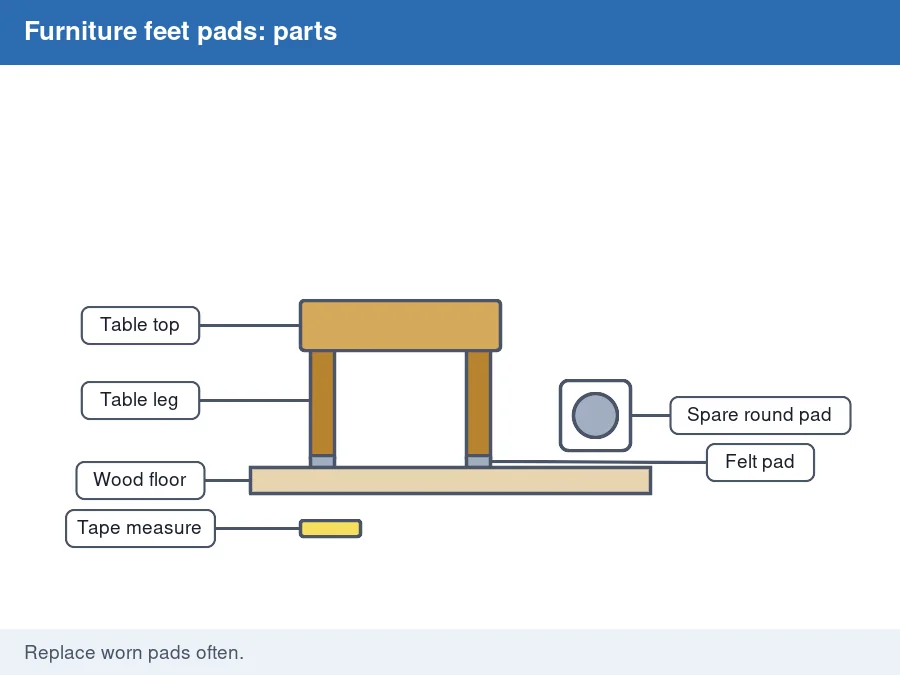
- Felt pads are good for hardwood, laminate, and vinyl. Choose thick felt that stays soft, and replace them when they are matted or filled with grit.
- Rubber or silicone caps help keep furniture from sliding but can stain some floors over time. Check that they are safe for your flooring.
- Large flat glides suit heavy items and keep dents from forming.
- Pads for chairs that move often wear faster. Check them every few months.
Step by step
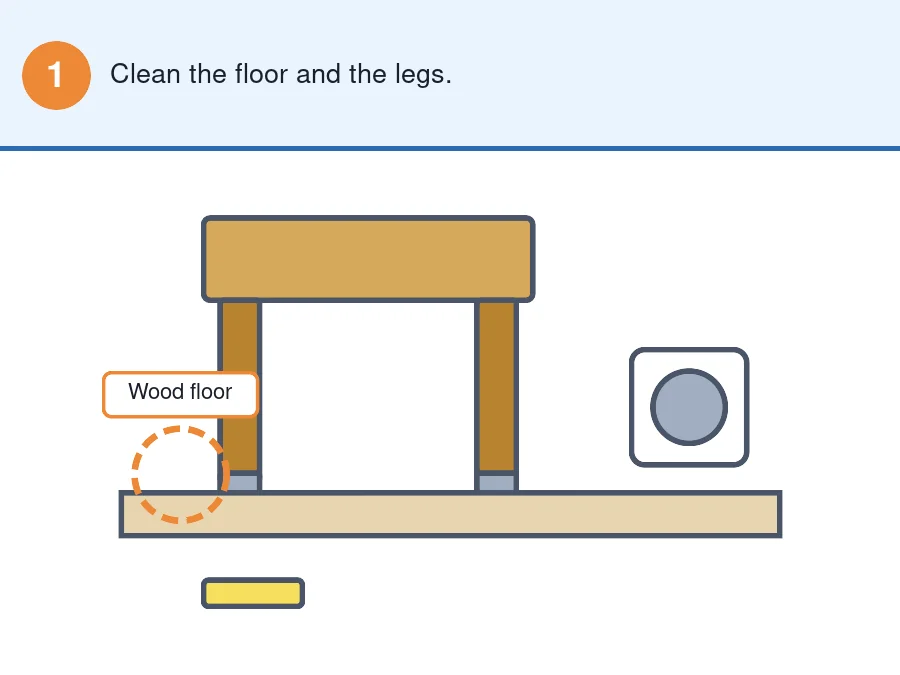
1. Clean the floor and the legs. Wipe the bottoms of furniture legs and sweep the floor.
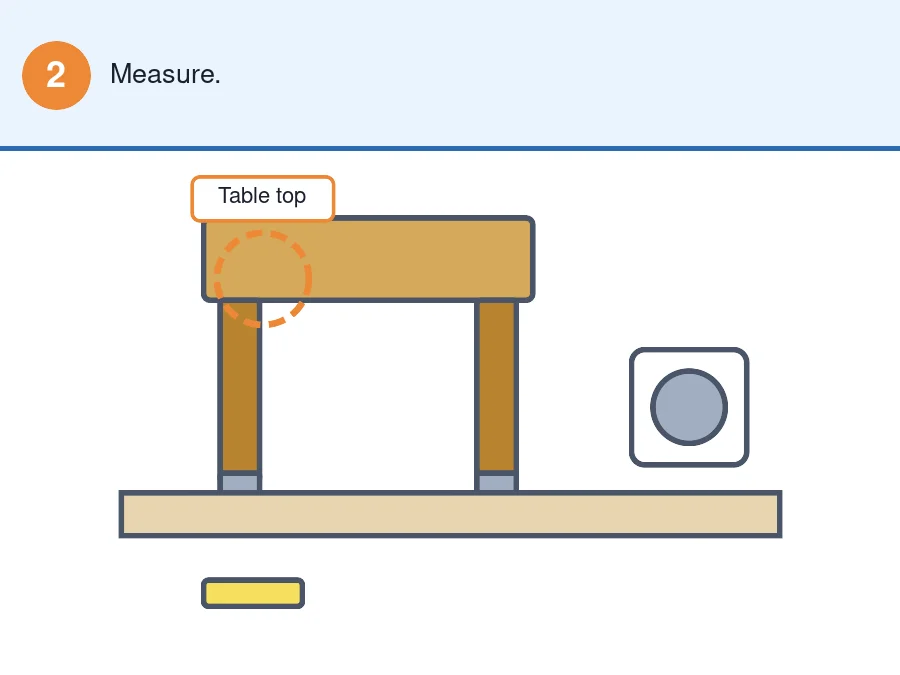
2. Measure. Choose pads slightly larger than the foot.
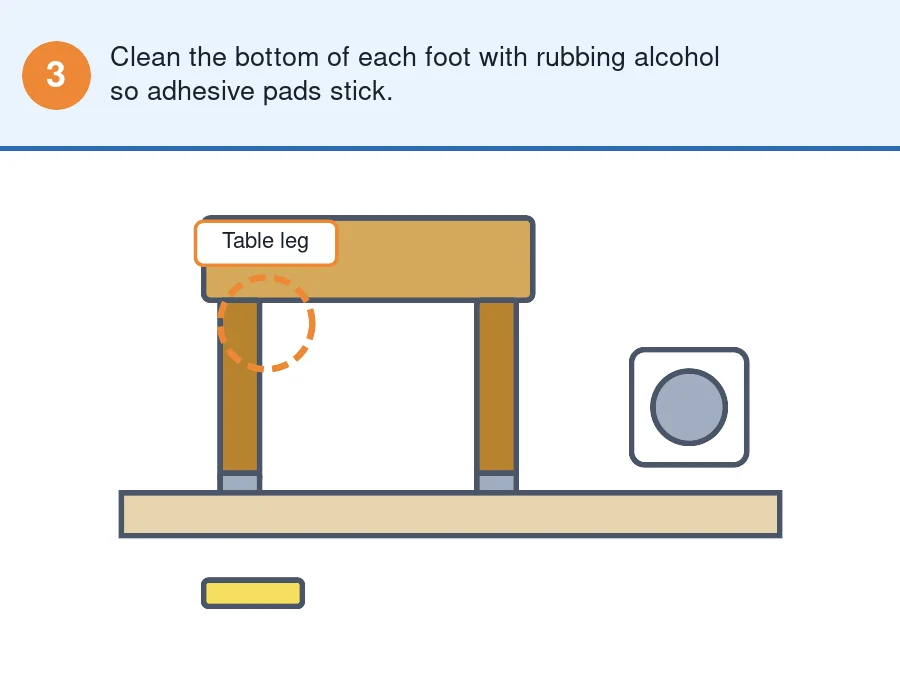
3. Clean the bottom of each foot with rubbing alcohol so adhesive pads stick.
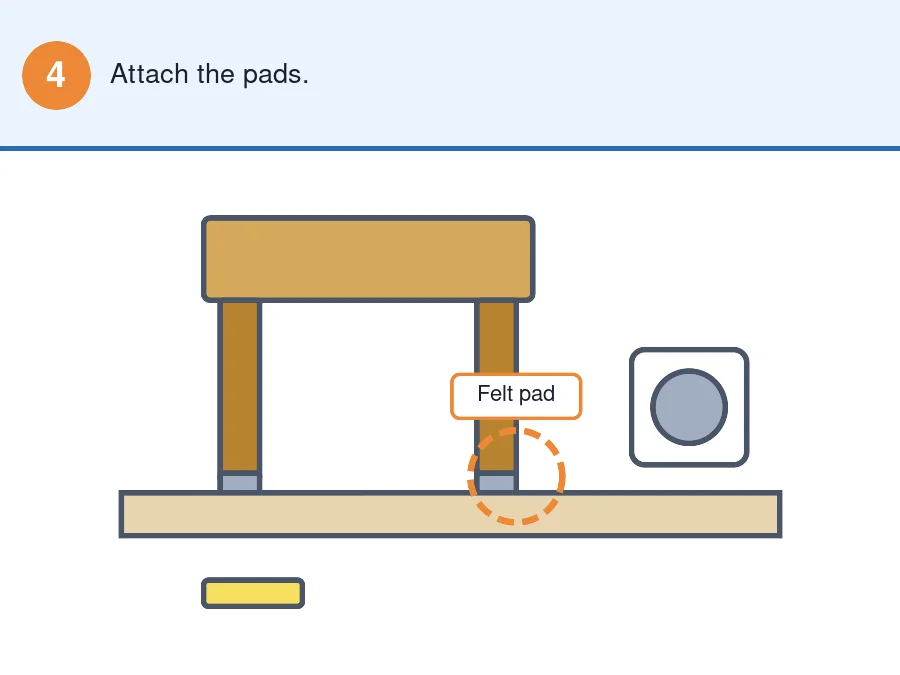
4. Attach the pads. Press firmly for a few seconds. For nail on pads, tap them in straight.
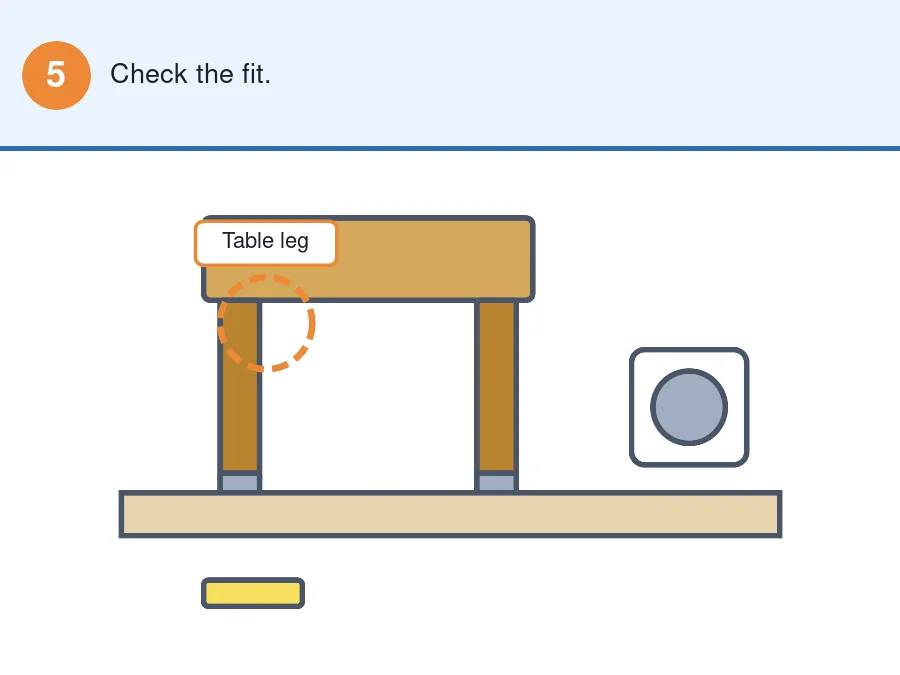
5. Check the fit. The pad should cover the whole foot with no edge sticking out.
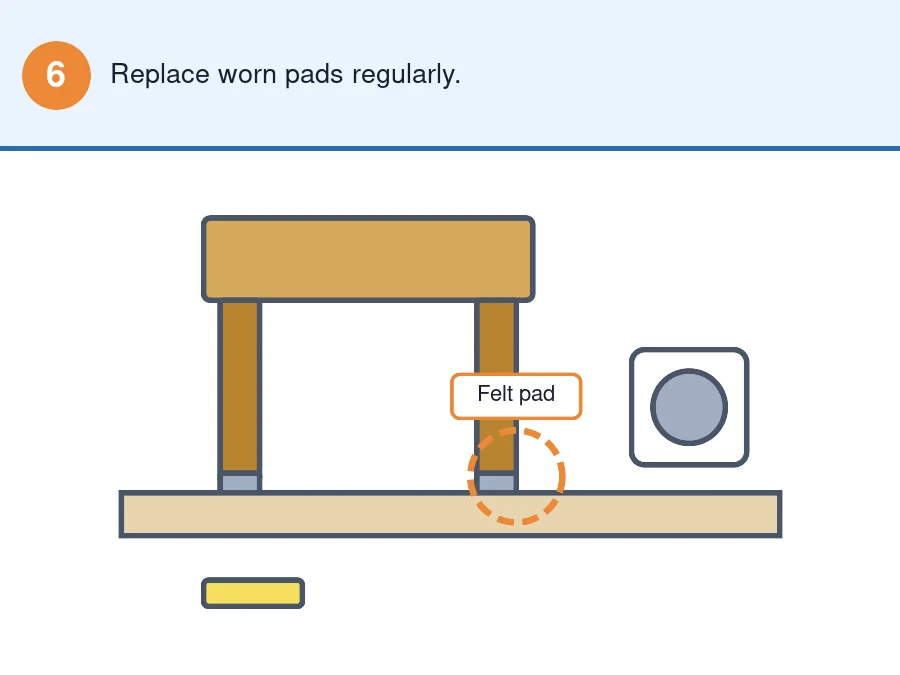
6. Replace worn pads regularly. Dirty felt scratches too.
Move furniture the safe way
Do not drag. Lift one end, or use sliders under the feet. Furniture sliders let heavy pieces glide with less effort. For appliances, tilt carefully and use a moving blanket or a piece of hardboard on the path.
Use rugs and mats
- Area rugs under dining tables and desks catch grit and take wear.
- Use a rug pad that is safe for your floor type. Some rubber backs can discolor vinyl or finish.
- Put mats at entrances so grit stays outside.
- Use a chair mat under a rolling office chair.
Reduce grit
Sweeping or vacuuming often does a lot. Use a soft brush attachment on hard floors. A clean floor stays scratch free longer. Our how to clean hardwood floors, laminate floor guide, and vinyl plank guide cover care for each type.
Fix minor scratches
Light surface marks on a wood floor can often be hidden. See how to fix a scratch on hardwood floors. For dents in carpet, see how to remove dents from carpet.
FAQ
Do felt pads really help?
Yes, as long as you keep them clean and replace them when they wear out.
What about heavy furniture?
Use wide glides or load spreading cups to reduce dents.
Can pads stain the floor?
Some rubber pads can. Pick products that say they are safe for your floor.
How often should I check pads?
Every few months, or whenever you move furniture.
Related guides
- Floors and Floor Care: Stop Squeaks, Scratches and Gaps: Floors and floor care: fix a squeaky floor without tearing it up, close gaps in vinyl plank, deal with a...
- How to Care for Engineered Hardwood Floors and Avoid Damage: Learn how to care for engineered hardwood floors: sweep and vacuum, use a barely damp mop and the right...
- How to Clean Hardwood Floors Without Damaging the Finish: Learn how to clean hardwood floors safely: use a microfiber mop, a damp cloth and the right cleaner, and...
- How to Care for Natural Stone Floors: Learn how to care for natural stone floors like marble, travertine, and slate: use pH neutral cleaners, avoid...
- How to Fix Squeaky Floors Without Tearing Anything Up: Learn how to fix squeaky floors from above or below: find the noisy spot, secure the subfloor, use talcum...
 FloorsFloors and Floor Care: Stop Squeaks, Scratches and GapsFloors and floor care: fix a squeaky floor without tearing it up, close gaps in vinyl plank, deal with a cracked tile. Steps, tools and safety notes included.
 FloorsHow to Care for Engineered Hardwood Floors and Avoid DamageLearn how to care for engineered hardwood floors: sweep and vacuum, use a barely damp mop and the right cleaner, handle spills, and avoid water and heat damage.
 FloorsHow to Clean Hardwood Floors Without Damaging the FinishLearn how to clean hardwood floors safely: use a microfiber mop, a damp cloth and the right cleaner, and avoid too much water, steam and harsh products.
 FloorsHow to Care for Natural Stone FloorsLearn how to care for natural stone floors like marble, travertine, and slate: use pH neutral cleaners, avoid acids, wipe spills fast, and reseal as needed.
 FloorsHow to Fix Squeaky Floors Without Tearing Anything UpLearn how to fix squeaky floors from above or below: find the noisy spot, secure the subfloor, use talcum powder or screws and stop the creak for good.