
How to Clean Vinyl Plank Floors and Keep Them Looking New
Part of: Floors, walls and doors
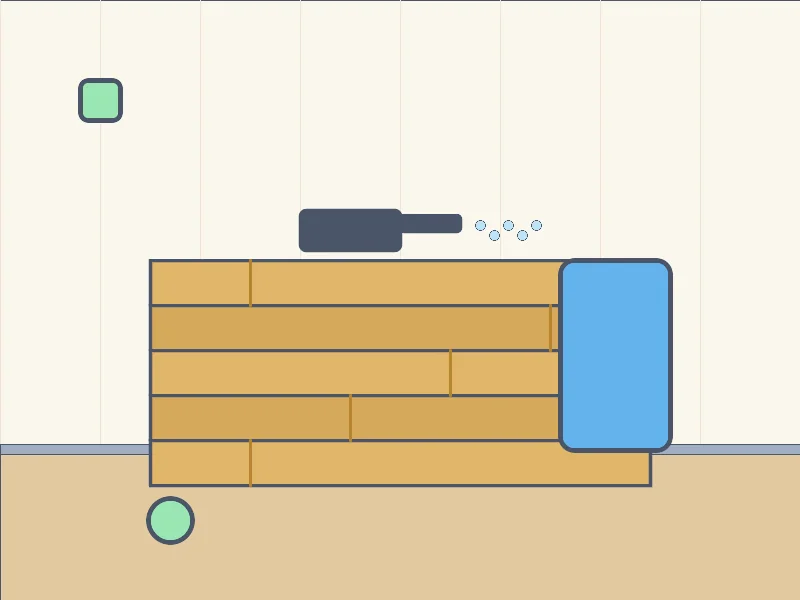
- Difficulty
- Easy
- Time
- 20 to 40 minutes
- Tools
- Soft broom or vacuum, microfiber mop, bucket, mild dish soap or pH neutral cleaner, soft cloths, plastic scraper, felt furniture pads
- Call a pro if
- Planks are lifting, curling, or peeling, you see mold under the floor, or a leak keeps soaking the same area.
In this guide
- Chemical safety
Vinyl plank is popular because it is tough and handles spills better than many floors. It still needs care. Dirt scratches the surface, and the wrong cleaner leaves a dull film. Here is how to clean vinyl plank floors the right way.
Know what you have
Most vinyl plank has a clear wear layer on top. That layer protects the printed pattern. Harsh pads and strong chemicals can dull it. Check the flooring maker's care guide if you still have it. Some products are fully waterproof at the planks, but water can still seep through seams and cause problems underneath.
Everyday care
1. Sweep or vacuum at least a few times a week. Use a soft brush head or turn off the beater bar.
2. Wipe spills with a damp cloth right away.
3. Use mats at doors to catch grit. Choose mats that are safe for vinyl, since some rubber backings can stain.
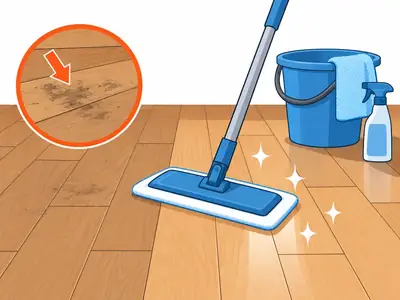
Weekly mop
1. Remove loose dirt. Sweep or vacuum first.
2. Mix the cleaner. Use warm water with a small amount of mild dish soap or a pH neutral floor cleaner. Skip wax, oil soaps, and harsh degreasers.
3. Wring the mop well. It should be damp, not dripping.
4. Mop in sections, moving along the plank direction.
5. Rinse the mop often and change the water when it gets dirty.
6. Dry the floor with a clean towel or let it air dry quickly with a fan, especially near seams.
Scuffs and stains
- Scuff marks: rub with a clean tennis ball or a soft cloth and a little baking soda paste. Wipe and dry.
- Grease: use dish soap on a cloth.
- Ink or marker: dab with a cloth and a little rubbing alcohol, then rinse.
- Gum or wax: harden with ice and lift with a plastic scraper.
- Rust stains: use a cleaner made for rust on vinyl, tested in a hidden spot.
What to avoid
- Steam mops, which can force heat and moisture into the seams
- Wax, polish, and oil soaps
- Abrasive pads and scouring powder
- Strong solvents and bleach
- Dragging heavy furniture
Protect the surface
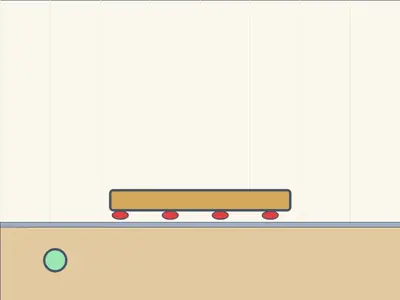
Put felt pads under furniture legs. See how to protect floors from furniture scratches. Keep pet nails trimmed. Use a protective mat under rolling chairs. Keep direct sun from baking the floor with window shades, since heat can fade or warp planks.
Fix gaps and lifting
If planks have separated, see how to fix gaps in vinyl plank flooring. Lifting at the edges can come from humidity or sun heat. Water leaks under the floor should be traced and fixed. See how to find a water leak in your house.
FAQ
Can I use vinegar on vinyl plank?
Diluted vinegar is common, but follow the maker's care guide. Some warn against it.
Is a steam mop safe?
Most floor makers advise against it.
How do I make vinyl shine?
Keep it clean. Avoid polish, which can leave a sticky film.
How often should I mop?
Weekly in busy areas, and less often elsewhere.
Related guides
- Gaps in Vinyl Plank Flooring: Causes and How to Close Them: Gaps in vinyl plank flooring come from temperature changes, poor locking or a shifting subfloor. Find the...
- How to Install Luxury Vinyl Plank Flooring: How to install luxury vinyl plank flooring: check the subfloor, plan the layout, keep the expansion gap, and...
- How to Remove Scuff Marks From Floors Without Dulling: Learn how to remove scuff marks from floors on vinyl, laminate, tile, and sealed wood with a tennis ball,...
- How to Clean Hardwood Floors Without Damaging the Finish: Learn how to clean hardwood floors safely: use a microfiber mop, a damp cloth and the right cleaner, and...
- How to Protect Floors from Furniture Scratches Easily: Learn how to protect floors from furniture scratches with felt pads, rugs, chair glides, and lifting tips...
 FloorsGaps in Vinyl Plank Flooring: Causes and How to Close ThemGaps in vinyl plank flooring come from temperature changes, poor locking or a shifting subfloor. Find the cause, then close the gap safely.
 FloorsHow to Install Luxury Vinyl Plank FlooringHow to install luxury vinyl plank flooring: check the subfloor, plan the layout, keep the expansion gap, and click the rows without gaps.
 FloorsHow to Remove Scuff Marks From Floors Without DullingLearn how to remove scuff marks from floors on vinyl, laminate, tile, and sealed wood with a tennis ball, baking soda paste, and mild cleaners.
 FloorsHow to Clean Hardwood Floors Without Damaging the FinishLearn how to clean hardwood floors safely: use a microfiber mop, a damp cloth and the right cleaner, and avoid too much water, steam and harsh products.
 FloorsHow to Protect Floors from Furniture Scratches EasilyLearn how to protect floors from furniture scratches with felt pads, rugs, chair glides, and lifting tips that work on hardwood, laminate, vinyl, and tile.