
How to Find a Water Leak in Your House
Part of: Basic plumbing
- Difficulty
- Easy
- Time
- 30 to 60 minutes, plus 1 to 2 hours of meter waiting
- Cost
- Free with a water meter and a few household items. A leak detection visit from a plumber costs extra, so get a local quote.
- Tools
- Flashlight, a few drops of food coloring, paper towels, notepad, phone camera
- Call a pro if
- You find a leak inside a wall or under a slab, water stains keep spreading, or the meter keeps moving after you shut the main valve.
In this guide
- Step 1: Watch for the signs
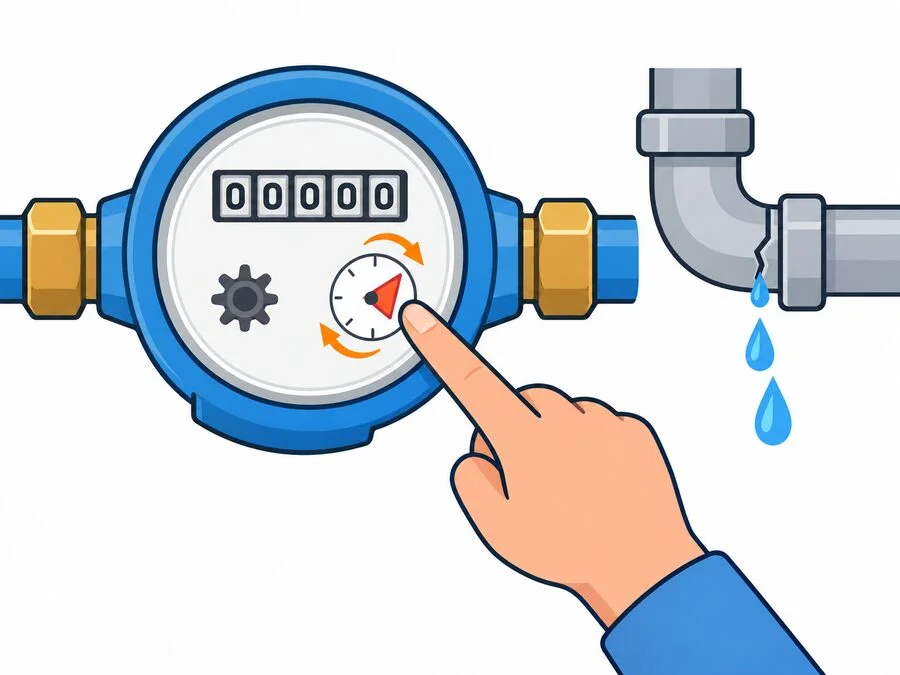
- Step 2: Do the water meter test
- Step 3: Check the toilets
- Step 4: Check under sinks and behind appliances
- Step 5: Look at the ceilings and walls
- Step 6: Check outdoors
- Step 7: Check the main shutoff
- When to shut off the water
- What a pro can do
- Related guides
- More help
- FAQ
- When to call a pro
- Power off first
- Water off first
Knowing how to find a water leak in your house can protect your floors and your water bill. Small leaks often go unnoticed for months. A simple routine takes less than an hour and tells you if there is a leak and roughly where it is.
Step 1: Watch for the signs
Common signs include a water bill that jumps without a reason, the sound of running water when nothing is on, damp or musty smells, peeling paint, warped floors and stains on walls or ceilings. Mold or soft spots also point to hidden moisture. Take photos of anything you find, with the date.
Step 2: Do the water meter test
This is the most reliable check for a hidden leak.
- Turn off every faucet, appliance and the ice maker. Make sure nobody flushes.
- Find your water meter, usually near the street, in a basement or in a utility box.
- Look at the leak indicator, a small triangle or dial. If it spins, water is moving.
- No indicator? Write down the numbers, wait one to two hours without using water, then read it again.
If the reading changed, you have a leak somewhere. If you are not sure where to shut the water off, see how to shut off the water main.
Step 3: Check the toilets
Toilets are the most common source of silent leaks. Toilets leak quietly. Drop some food coloring into the tank and leave the toilet unflushed for 15 minutes. A tinted bowl means a worn flapper. See how to replace a toilet flapper or how to fix a running toilet.
Step 4: Check under sinks and behind appliances
Open the cabinets under kitchen and bathroom sinks. Run your hand along the pipes, valves and supply lines. Look for drips, rust or damp wood. Pull the washing machine and dishwasher forward if you can, and look at the hoses. Check around the water heater too.
Step 5: Look at the ceilings and walls
Look at ceilings below bathrooms, upstairs laundry rooms and the roof line. A brown ring that grows can mean an active leak. Mark the edge with a pencil and the date, and check again the next day. For help telling a roof leak from a plumbing leak, see how to fix a leaky roof temporarily.
Step 6: Check outdoors
Check outdoor faucets and hoses. Look for soggy spots, unusually green patches or pooling water near the foundation. A wet patch on the lawn when it has not rained can mean a leak in the line from the street.
Step 7: Check the main shutoff
Turn off the main water valve and watch the meter again. If it stops, the leak is inside your house. If it keeps moving, the leak is between the meter and the house, and you need a plumber.
When to shut off the water
Turn off the main valve if you find active dripping you cannot stop, a burst pipe, or water coming through a ceiling. Then call a plumber. Use towels and buckets to limit damage, and take photos for your insurance.
What a pro can do
Plumbers have tools such as acoustic listening devices, moisture meters and cameras to find leaks inside walls or under slabs. This often costs less than guessing and opening walls. Ask for a quote before the visit, and ask whether the fee applies to the repair.
Related guides
- How to Install an Under-Sink Water Filter Step by Step
- How to Tell If a Ceiling Stain Is an Active Leak (and What to Do Next)
- How to Fix a Leaky Faucet (Step by Step)
- How to Fix a Running Water Meter When Nothing Is On
More help
If the water is coming from somewhere else, plumbing leaks sorts every common leak by location and links to the repair.
FAQ
How much water can a small leak waste?
It depends, but even a slow drip adds up over weeks, and a running toilet can waste a large amount of water. That is why the meter test is worth the time.
Can I find a leak without a meter?
Yes, by checking fixtures, toilets and stains. The meter test is the best way to confirm that a hidden leak exists.
Will homeowners insurance cover a leak?
Sudden, accidental damage may be covered, while slow leaks and wear usually are not. Read your own policy and call your insurer.
More from this topic
- High Water Bill but No Visible Leak: Where to Look: High water bill but no visible leak? It usually means a running toilet, a hidden service-line leak or an...
- How to Test for a Water Leak With the Meter: Learn how to test for a water leak with the meter: shut every fixture off, watch the leak dial, isolate the...
- How to Find Your Main Water Shutoff Valve Before You Need It: Learn how to find your main water shutoff valve: check the meter, basement and street, test it while nothing...
- How to Fix a Running Water Meter When Nothing Is On: How to fix a running water meter when nothing is on: read the leak indicator, test the toilet and shutoff,...
- How to Read Your Water Meter: Dials, Leak Tests and Bills: How to read your water meter: find it, read the dial or display, run the leak test, and use it to catch the...
 PlumbingHigh Water Bill but No Visible Leak: Where to LookHigh water bill but no visible leak? It usually means a running toilet, a hidden service-line leak or an irrigation fault. The meter test finds it.
 PlumbingHow to Test for a Water Leak With the MeterLearn how to test for a water leak with the meter: shut every fixture off, watch the leak dial, isolate the supply and confirm a hidden leak.
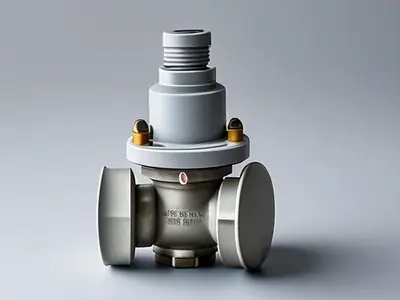 PlumbingHow to Find Your Main Water Shutoff Valve Before You Need ItLearn how to find your main water shutoff valve: check the meter, basement and street, test it while nothing leaks, and label the fixture valves too.
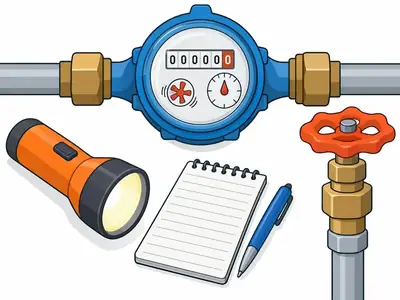 PlumbingHow to Fix a Running Water Meter When Nothing Is OnHow to fix a running water meter when nothing is on: read the leak indicator, test the toilet and shutoff, and find hidden leaks. Steps and when to call a pro.
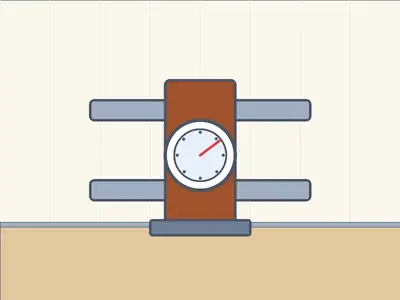 PlumbingHow to Read Your Water Meter: Dials, Leak Tests and BillsHow to read your water meter: find it, read the dial or display, run the leak test, and use it to catch the leaks your bill never explains.