
Plumbing Leaks: How to Find and Fix the Most Common Ones
Part of: Basic plumbing
- Difficulty
- Easy to moderate
- Time
- 15 minutes to find the source, then 15 to 90 minutes per repair
- Tools
- Flashlight, dry paper towels, bucket, towels, adjustable pliers, plumber's tape
- Call a pro if
- A pipe in a wall or ceiling is leaking, water is coming through the ceiling, the leak is on the main line, or you cannot stop the water with a shutoff valve.
In this guide
- Power off first
- Water off first
Plumbing leaks waste water, stain walls and can cause mold and rot if they run for a long time. A drip under a sink is a ten minute fix. A hidden leak inside a wall is a bigger job. The skill is knowing which kind you have, so this guide walks through finding the source and sends you to the right repair.
Step one: stop the water
If water is flowing, stop it first.
- Close the small shutoff valve for that fixture. Most sinks and toilets have one on the supply line. If it will not turn or leaks itself, see angle stop valve leaks or will not turn.
- If you cannot stop the flow at the fixture, close the main shutoff. Our guide on how to shut off the water main shows how to find it.
- Move anything valuable out of the way and soak up water with towels.
Step two: find where the water really comes from
Water often travels before it shows up. Dry the area, wrap a dry paper towel around each joint and connection, and check back in a few minutes. The first towel to get wet points to the source.
If you suspect a leak but cannot see one, see how to find a water leak in your house. To check the whole house, how to fix a running water meter when nothing is on shows how the meter can confirm a hidden leak. A stain on a ceiling needs a different look: how to tell if a ceiling stain is an active leak.
Not every wet surface is a leak. Cold pipes and tanks collect condensation in humid weather. See sweating pipes and toilet tank sweating.
Leaks at faucets and sinks
- A dripping spout or handle: how to fix a leaky faucet.
- Water from the base of a bathroom faucet: bathroom sink faucet drips from the base.
- Water from the base of a kitchen faucet: kitchen faucet base leak.
- A drip under the sink from the trap: how to fix a leaking P-trap.
- A split or loose supply hose: how to replace a braided supply line and how to replace a sink sprayer hose.
- A leaking pipe joint: how to fix a leaking PVC pipe joint.
Leaks in the bathroom
- Toilet leaks, from the base to the tank bolts: toilet problems lists every common cause with a link to each repair.
- A dripping tub spout or diverter: dripping tub spout or diverter.
- A leaking tub overflow: tub overflow leak.
- A leaking shower head or arm: how to fix a leaking shower head or arm.
Leaks from appliances and the water heater
- A dishwasher that leaks at the door: dishwasher leaking from the door.
- A washing machine leaking from underneath: washer leaks from the bottom, and a worn hose is covered in how to replace a washing machine hose.
- A refrigerator that leaves water on the floor: refrigerator leaking water on the floor.
- Water under the water heater: water heater leaking from the bottom. A dripping relief valve is a separate issue: water heater relief valve dripping. A leaking drain valve is covered in water heater drain valve leak.
A leaking water heater tank itself usually means the tank has failed. Shut off the water to it and the power or gas as the manual describes, and call a plumber.
Leaks outside the house
- A dripping outdoor faucet: how to fix a dripping outdoor faucet.
- A spraying vacuum breaker: hose bib vacuum breaker leaks.
- A leaking hose or connection: how to fix a leaking garden hose and how to fix a leaky hose connection.
- Sprinkler leaks: sprinkler valve leaking or stuck open and how to repair a broken sprinkler pipe.
- A leaking roof or gutter: how to fix a leaky roof temporarily and leaking gutter seam.
When to stop and call a plumber
Call a professional when a leak is inside a wall or ceiling, when the leak is on the main supply line, when water has soaked a floor or ceiling, when a pipe is corroded or the repair keeps failing, or when you smell sewage. If water is near electrical outlets or the panel, keep clear and call an electrician as well.
Prevent the next leak
A leak sensor in the places where water does the most damage gives early warning. See how to install a water leak sensor. In cold weather, protect pipes: how to insulate water pipes to prevent freezing and, if a pipe has already frozen, how to thaw frozen pipes safely. Water hammer can loosen joints over time, so see water hammer in pipes if you hear banging.
Related guides
FAQ
How can I tell if I have a hidden leak?
Common signs are a damp smell, a stain or bubbling paint on a wall or ceiling, warped flooring, or a water meter that keeps moving when every fixture is off. The linked guides above show how to check.
Should I turn off the water for every leak?
Turn it off at the fixture shutoff for small drips while you work. If water is flowing and you cannot stop it, shut off the main.
Can I fix a leak with tape or sealant?
Plumber's tape is for threaded joints and some products can slow a leak temporarily. A split pipe or a joint that keeps leaking needs a proper repair or replacement.
How long can a small leak go on before it causes damage?
It depends on where it is. A drip under a sink that runs onto a cabinet floor can soften wood over time, and a leak inside a wall can cause mold. Fix every leak promptly instead of waiting.
More from this topic
- How to Fix a Leaking Shower Head: Stop the Drip: How to fix a leaking shower head: reseal the connection, clean the nozzles and know when the drip is really...
- How to Check for Toilet Leaks: The Dye Test: How to check for toilet leaks with the food coloring test, plus the tank, base and supply checks that catch...
- How to Crimp PEX Pipe: Joints That Never Leak: How to crimp PEX pipe: cut square, seat the fitting, position the ring and gauge every crimp for leak-proof...
- How to Fix a Leaky Hose Connection at the Spigot or Sprayer: Learn how to fix a leaky hose connection. Replace the rubber washer, tighten fittings and check threads on a...
- How to Install a Water Heater Drain Pan: Learn how to install a water heater drain pan: pick the right size, drain it to a safe place, set the tank...
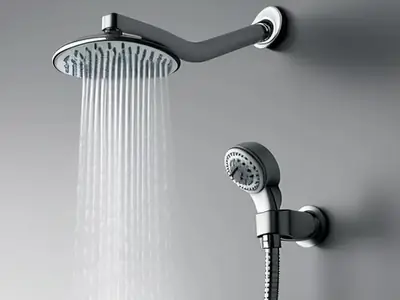 PlumbingHow to Fix a Leaking Shower Head: Stop the DripHow to fix a leaking shower head: reseal the connection, clean the nozzles and know when the drip is really the valve.
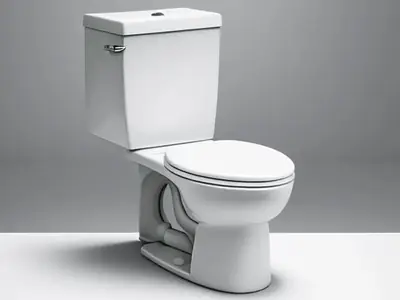 PlumbingHow to Check for Toilet Leaks: The Dye TestHow to check for toilet leaks with the food coloring test, plus the tank, base and supply checks that catch the leaks your water bill notices first.
 PlumbingHow to Crimp PEX Pipe: Joints That Never LeakHow to crimp PEX pipe: cut square, seat the fitting, position the ring and gauge every crimp for leak-proof joints.
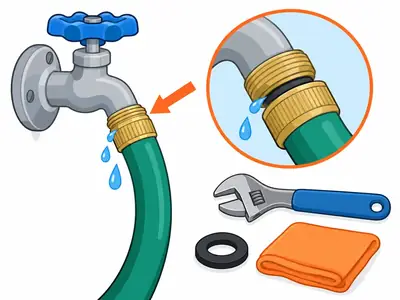 PlumbingHow to Fix a Leaky Hose Connection at the Spigot or SprayerLearn how to fix a leaky hose connection. Replace the rubber washer, tighten fittings and check threads on a garden hose, spigot and sprayer in a few minutes.
 PlumbingHow to Install a Water Heater Drain PanLearn how to install a water heater drain pan: pick the right size, drain it to a safe place, set the tank back and check the pan after the first heating cycle.