
How to Insulate Water Pipes to Prevent Freezing
Part of: Basic plumbing
- Difficulty
- Easy
- Time
- 1 to 3 hours
- Tools
- Tape measure, utility knife or scissors, foam pipe sleeves, duct tape or pipe tape, zip ties, flashlight, gloves
- Call a pro if
- pipes are already frozen or leaking, pipes run inside exterior walls that you cannot reach, or you need to add heat cable to a hard to reach area
In this guide
- Power off first
- Gas safety
- Wear protection
A frozen pipe can split and flood your home when it thaws. The good news is that you can prevent most freezes with a simple weekend project. When you insulate water pipes in cold spaces, you slow the loss of heat, so the water inside stays above freezing for longer. It is cheap, needs few tools and pays off the first cold snap.
This guide is part of our wider guide to water pressure, pipes and sump pumps.
Find the pipes at risk
Pipes freeze most often where cold air reaches them. Check these places:
- Crawl spaces and unheated basements
- Garages and attics
- Pipes along exterior walls, and under kitchen and bathroom sinks on outside walls
- Outdoor faucets and the pipes just inside the wall behind them
- Pipes near vents, cracks or gaps where air leaks in
Walk through with a flashlight and look for pipes that are close to the outside, uninsulated or near drafts. Mark the ones you want to wrap.
Choose the right insulation
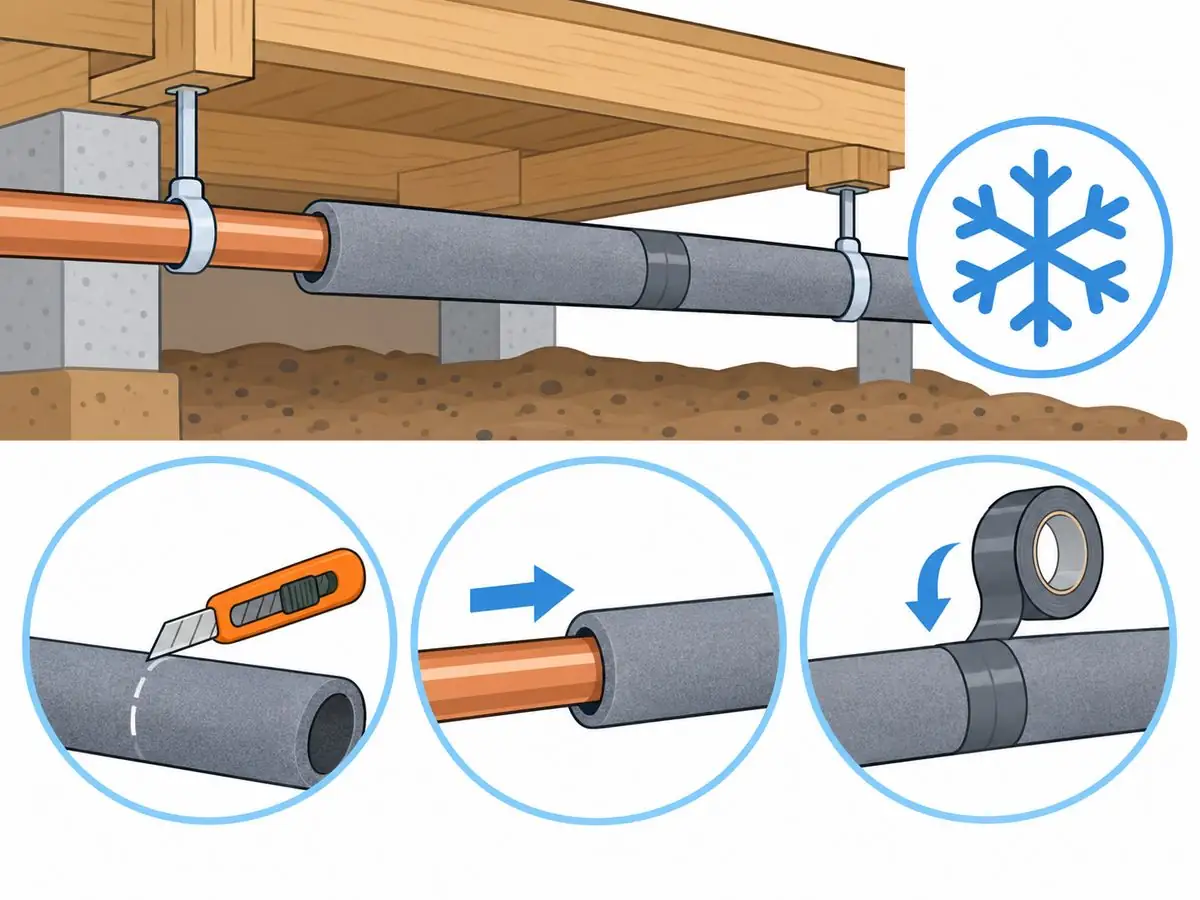
Foam pipe sleeves are the easiest option. They are split along one side, so you can push them over a pipe. Buy the sleeve size to match your pipe. Check the pipe diameter, which is often half an inch or three quarters of an inch for water supply pipes, and read the sleeve label. A snug fit works better than a loose one. Thicker foam gives more protection. Fiberglass wraps work too but can be itchy and must be kept dry. Foam sleeves rated for pipe insulation are a good choice for most homes.
Step by step
1. Measure the length of pipe you need to cover and add a little extra. Buy sleeves for each size of pipe.
2. Clean and dry the pipe. Wipe off dust. If the pipe is wet or leaking, fix the leak first. See How to find a water leak in your house.
3. Cut the foam to length with a utility knife or scissors. Cut at an angle at corners so the ends meet neatly, or use pre-cut elbows.
4. Press the sleeve onto the pipe and turn it so the seam faces down or toward the wall, which keeps it shut.
5. Seal the seam. Use the sticky strip on the foam if it has one, or wrap tape every foot or so.
6. Cover fittings and valves. Cut notches for valves, or use extra foam, so there are no bare spots.
7. Seal the ends with tape so the foam does not pull away.
8. Add insulation to hot pipes too. It keeps hot water hot and saves energy.
9. Seal air leaks. Use caulk or spray foam around pipes where they enter a wall or floor from outside, and fix gaps in crawl space vents. Do not block vents that are needed for air flow in the crawl space without checking local guidance.
Extra steps for very cold weather
- Keep the heat on, even if you are away. Many guides suggest not setting it below about 55 degrees Fahrenheit.
- Leave the doors of sink cabinets on outside walls open on very cold nights so room air can warm the pipes.
- Let a faucet drip during a hard freeze. Moving water is harder to freeze. Choose the faucet at the end of the line farthest from the main.
- Disconnect hoses and shut off the outside faucet valve from inside, if you have one. See How to winterize your home.
- Know where the main shutoff is. See How to shut off the water main.
If a pipe freezes anyway
Turn off the water at the main, open the faucet and thaw the pipe slowly with a hair dryer or warm towels. See How to thaw frozen pipes safely. Never use an open flame, a blowtorch or a heat gun.
Insulation is not heat
Insulation slows heat loss. It does not make heat. In a long deep freeze, even insulated pipes in an unheated space can freeze. That is why heating the space, sealing drafts and letting a faucet drip help as well.
Related guides
- Water Hammer in Pipes: Why It Bangs and How to Stop It
- How to Fix Low Water Pressure in One Faucet
- Test Water Pressure at Home With a Gauge
- How to Install a Water Leak Sensor Where It Matters Most
- Sweating Pipes: How to Stop Water Drips
FAQ
What is the best material to insulate pipes?
Foam sleeves are the easiest for most people. Pick the right diameter.
Should I insulate hot pipes?
Yes. It saves energy and keeps the water hot longer.
Can I use old towels or rags?
They help in an emergency, but they get wet and do not work well. Use foam.
How cold does it have to get for pipes to freeze?
Pipes at risk can freeze when temperatures stay at or below freezing for several hours, depending on wind and the pipe location.
More from this topic
- How to Insulate Hot Water Pipes: How to insulate hot water pipes: sleeve the accessible runs with foam and get hotter water faster at the...
- How to Thaw Frozen Pipes Safely: How to thaw frozen pipes safely with a hair dryer or warm towels. Steps to find the freeze, what never to do...
- How to Winterize Your Home Before the Cold Arrives: Learn how to winterize your home: seal drafts, protect pipes, service the heating, clean gutters and prepare...
- Water Hammer in Pipes: Why It Bangs and How to Stop It: Water hammer in pipes causes banging when you shut off a tap. Find the cause, secure loose pipes and learn...
- Sump Pump Discharge Pipe Frozen: How to Fix It: Sump pump discharge pipe frozen in winter? Learn how to thaw it safely, keep water moving and prevent ice...
 PlumbingHow to Insulate Hot Water PipesHow to insulate hot water pipes: sleeve the accessible runs with foam and get hotter water faster at the faucet for less.
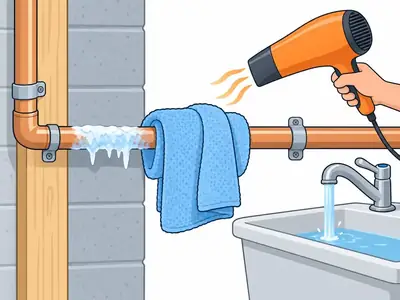 PlumbingHow to Thaw Frozen Pipes SafelyHow to thaw frozen pipes safely with a hair dryer or warm towels. Steps to find the freeze, what never to do and when to shut off the water and call a plumber.
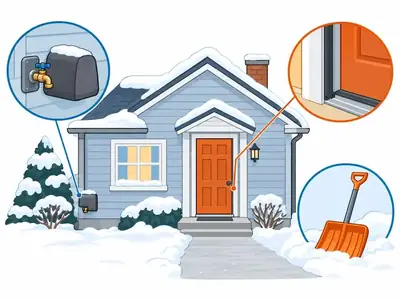 SeasonalHow to Winterize Your Home Before the Cold ArrivesLearn how to winterize your home: seal drafts, protect pipes, service the heating, clean gutters and prepare to save energy and avoid cold weather damage.
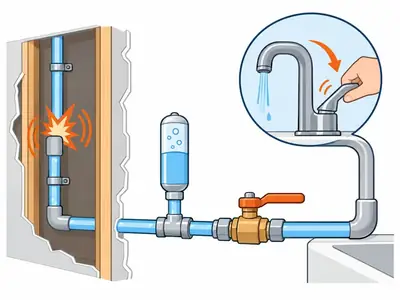 PlumbingWater Hammer in Pipes: Why It Bangs and How to Stop ItWater hammer in pipes causes banging when you shut off a tap. Find the cause, secure loose pipes and learn when to add an arrestor or call a plumber.
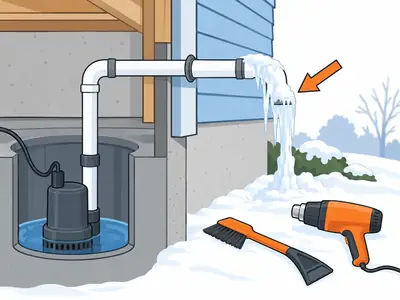 PlumbingSump Pump Discharge Pipe Frozen: How to Fix ItSump pump discharge pipe frozen in winter? Learn how to thaw it safely, keep water moving and prevent ice blocks that flood basements.