
How to Insulate a Water Heater and Hot Water Pipes Safely
Part of: Basic plumbing
- Difficulty
- Easy to moderate
- Time
- 30 to 60 minutes
- Tools
- Insulation blanket kit, pipe foam sleeves, tape, scissors or utility knife, tape measure, gloves, marker, screwdriver
- Call a pro if
- The heater is gas and the manual does not allow a blanket, you cannot tell where the vent and controls are, the tank leaks, or there is rust or scorch marks.
In this guide
- Gas safety
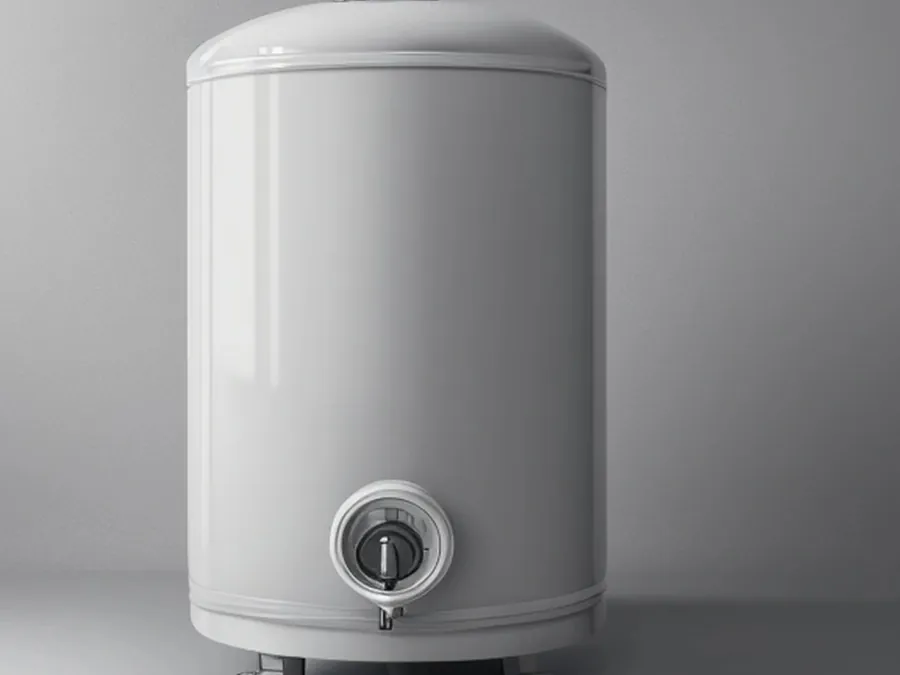
A hot water tank loses heat all day through its walls, especially in a cold garage or basement. Wrapping the tank and nearby pipes can reduce that loss. But the wrong wrap on the wrong heater is a hazard. How to insulate a water heater starts by touching the tank, since a side that feels warm is losing heat and many newer tanks already carry thick factory insulation.
Does your heater need it?
Touch the side of the tank. If it feels warm, it is losing heat. Many newer tanks have thick factory insulation and need no blanket. Check the label for the R value and the manual for advice. Older tanks in unheated spaces benefit most.
Gas or electric?
- Electric heaters: easier to wrap. Keep the access panels, thermostat covers, and relief valve clear.
- Gas heaters: more risk. The flue, draft hood, and burner area must stay open. Many makers do not allow wraps or have strict rules. Read the manual and local code first. If unsure, skip it and insulate the pipes only.
Step by step: tank blanket
1. Turn off the power at the breaker for an electric unit. For gas, leave the system alone and only follow the manual's rules.
2. Measure the tank height and diameter, and check the blanket size.
3. Mark the controls. Use a marker to note the locations of thermostat covers, the relief valve, and the drain valve.
4. Wrap the blanket around the tank. Tape the seams.
5. Cut openings for the controls, valves, and pipes. Keep the cuts clean. Do not cover them.
6. Keep the top open. Do not cover the top of a gas heater. On an electric heater, follow the kit instructions.
7. Check clearances. Keep the blanket away from the floor and any flue.
8. Restore power after you finish.
Pipe insulation
Insulating the first several feet of hot water pipe helps even if you skip the tank blanket.
1. Measure the pipe diameter and buy foam sleeves that fit.
2. Slide or cut the sleeves over the pipe.
3. Tape the seams.
4. Keep foam at least a few inches away from a gas flue.
For cold water lines that sweat or freeze, see sweating pipes and how to insulate water pipes to prevent freezing.
Other ways to cut hot water use
- Lower the tank temperature a bit. A common setting is about 120 degrees Fahrenheit, but check the manual.
- Fix drips and leaks. See how to flush a water heater to help the heater run well.
- Use low flow shower heads. See how to replace a showerhead.
Check for problems
Look at the heater while you work. If you see water around the base, rust, or sediment problems, see water heater leaking from the bottom and water heater popping noises. If it does not heat, see water heater not producing hot water.
FAQ
Is a blanket worth it?
It can help on older tanks in cold spaces. It does little on a new, well insulated tank.
Can I wrap a tankless unit?
No. Follow the maker's instructions.
Should I cover the relief valve pipe?
No. Leave the valve and its pipe clear.
Will insulation make the water hotter?
It keeps heat in, so the heater cycles less. It does not raise the setting.
Related guides
- How to Insulate Hot Water Pipes: How to insulate hot water pipes: sleeve the accessible runs with foam and get hotter water faster at the...
- How to Insulate Water Pipes to Prevent Freezing: Learn how to insulate water pipes to prevent freezing. Choose foam sleeves, wrap pipes in cold spaces, seal...
- Sweating Pipes: How to Stop Water Drips: Sweating pipes drip water and can stain ceilings. Learn how to tell condensation from a leak, insulate cold...
- How to Light a Water Heater Pilot Light Safely: How to light a water heater pilot: the gas smell check, the lighting sequence on the tank label, and what to...
- Replace Water Heater Thermostat Safely (Electric): Electric heater too hot, too cold or no hot water? Replace water heater thermostat parts safely with the...
 PlumbingHow to Insulate Hot Water PipesHow to insulate hot water pipes: sleeve the accessible runs with foam and get hotter water faster at the faucet for less.
 PlumbingHow to Insulate Water Pipes to Prevent FreezingLearn how to insulate water pipes to prevent freezing. Choose foam sleeves, wrap pipes in cold spaces, seal drafts and use simple tricks in a hard freeze.
 PlumbingSweating Pipes: How to Stop Water DripsSweating pipes drip water and can stain ceilings. Learn how to tell condensation from a leak, insulate cold lines and control humidity. Steps and tools.
 PlumbingHow to Light a Water Heater Pilot Light SafelyHow to light a water heater pilot: the gas smell check, the lighting sequence on the tank label, and what to do when it will not stay lit.
 PlumbingReplace Water Heater Thermostat Safely (Electric)Electric heater too hot, too cold or no hot water? Replace water heater thermostat parts safely with the power off, and test before you buy.