
How to Light a Water Heater Pilot Light Safely
Part of: Basic plumbing · Also in: The Complete Guide to Home Plumbing Repair for Homeowners
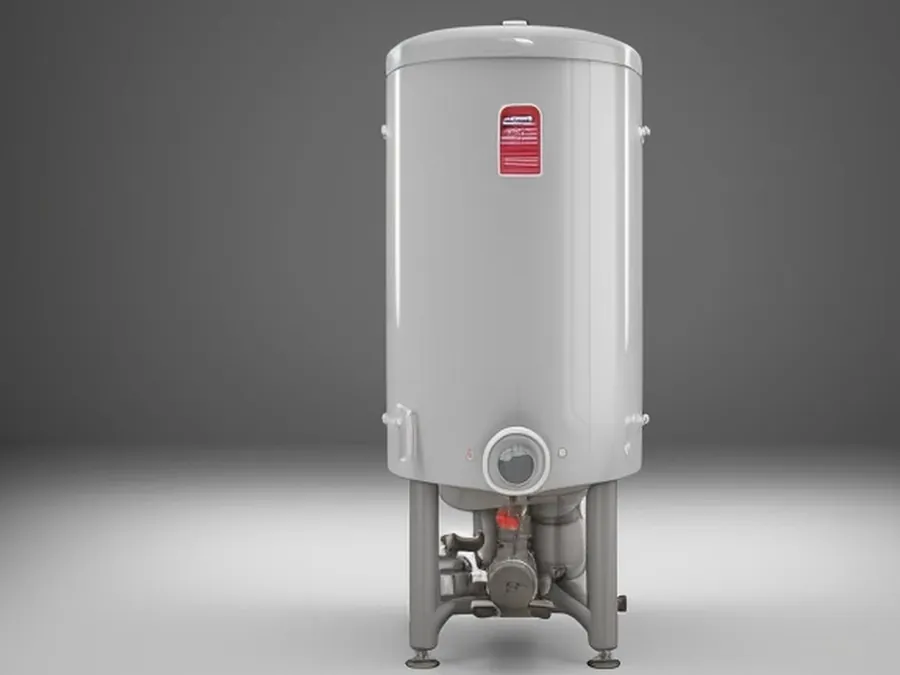
- Difficulty
- Easy
- Time
- 15 to 30 minutes
- Tools
- A flashlight, the instructions printed on your tank, a long lighter for some models
- Call a pro if
- You smell gas at any point, the pilot will not stay lit after two tries, or the flame burns yellow, since those need a licensed pro.
In this guide
- Gas safety
- Chemical safety
A pilot light that goes out leaves the whole house without hot water, and how to light a water heater pilot is a five-minute job once you know the sequence. The instructions are printed on the tank itself, and they beat every general guide, including this one, so read your label first. Here is the standard process and the safety checks that frame it.
1. Do the gas smell check first
The step that protects everything else.
1. Sniff near the floor around the heater; gas is heavier than air and pools low.
2. Any gas smell means stop, leave, and call the utility from outside.
3. No smell means proceed, with a window or door open nearby.
4. This check happens every time, even if the pilot just went out an hour ago.
2. Find the controls and the label
Every heater prints its own instructions.
1. The gas control valve sits on the front of the tank, usually a box with a dial.
2. The lighting instructions are printed on a label right beside it.
3. Read your label fully before touching the dial; models differ in the details.
4. A flashlight helps; the burner compartment is dark by design.
3. Set the dial and wait
The five minutes that clears the chamber.
1. Turn the dial to off and wait five minutes for any gas to dissipate.
2. Turn the dial to pilot when the wait is over.
3. Do not skip the wait; it is the step that prevents a flash.
4. If the dial will not turn, do not force it; that is a pro call.
4. Light the pilot
The sequence your label describes.
1. Press and hold the pilot button or dial to start gas flowing to the pilot.
2. On electronic ignition models, press the igniter button repeatedly until the pilot lights.
3. On manual models, hold a long lighter at the pilot opening while pressing the button.
4. Watch through the sight glass for the small blue flame.
5. Hold, release and set
The sixty seconds that makes it stay.
1. Keep holding the pilot button for thirty to sixty seconds after the flame lights.
2. The thermocouple needs that time to heat up and hold the gas valve open.
3. Release slowly; the flame should stay lit.
4. Turn the dial to on and set your temperature; the main burner should fire.
6. Watch the flame quality
The flame reports the system's health.
1. A healthy pilot burns mostly blue and wraps the thermocouple tip.
2. A weak, small or yellow flame means the pilot orifice needs cleaning.
3. A flame that dies on release means the thermocouple is worn or mispositioned.
4. Pilot light keeps going out diagnoses every repeat-outage cause in order.
7. Know when to stop trying
Two failures is the signal.
1. A pilot that will not light after two proper attempts needs a pro's eyes.
2. Repeated outages after a successful relight mean the thermocouple, orifice or venting needs work.
3. Any gas smell at any point ends the DIY session immediately.
4. Annual service catches the dirty orifices and worn thermocouples before the cold shower does; water heater maintenance covers the full routine.
Common mistakes
- Skipping the five-minute wait after turning the dial off.
- Releasing the pilot button before the thermocouple warms.
- Ignoring a gas smell and lighting anyway.
- Forcing a stuck dial instead of calling a pro.
- Relighting repeatedly without finding why it keeps going out.
When to call a pro
If you smell gas at any point, leave the house and call the gas utility from outside. Call a licensed technician if the pilot will not stay lit after two careful tries, if the flame burns yellow or lazy, or if the gas control valve will not turn with normal hand pressure, since those point to a failing thermocouple mount, a dirty burner, or a bad gas valve, and a weak flame can mean carbon monoxide. Sources: NFPA 54, CPSC carbon monoxide guidance, the heater manufacturer's lighting label.
FAQ
How do you light a pilot light on a water heater?
Turn the dial to off, wait five minutes, turn to pilot, press and hold the button while igniting, hold for thirty to sixty seconds after it lights, then release and turn to on. Your tank's printed label gives the exact sequence for your model.
Is it safe to relight a water heater pilot?
Yes, when you smell no gas and follow the tank's instructions. The safety checks are the smell test, the five-minute wait, and stopping after two failed attempts.
Why won't my pilot light stay lit?
Almost always a worn thermocouple that no longer senses the flame, or a dirty pilot orifice giving a weak flame. Both are cheap fixes; repeated outages after relighting mean one of them needs attention.
Should the pilot flame be blue or yellow?
Blue. A strong blue flame wrapping the thermocouple is healthy. A yellow or small, lazy flame signals a dirty orifice or combustion problem worth a service call.
Related guides
- Pilot Light Keeps Going Out: What It Means: When a water heater pilot light keeps going out, the thermocouple, a draft or the gas control is usually...
- How to Replace a Water Heater Thermocouple: How to replace a water heater thermocouple: the twenty-dollar part that fixes a pilot that won't stay lit,...
- Hot Water Runs Out Fast: Hot water runs out fast? Check the thermostat, sediment, dip tube and heating element. Learn simple tests and...
- How to Check a Water Heater Expansion Tank: Learn how to check a water heater expansion tank, test the air charge, spot a waterlogged tank and know when...
- How to Flush a Tankless Water Heater: The Annual Descale: How to flush a tankless water heater: circulate vinegar or descaler through the heat exchanger to clear scale...
 Water HeatersHow to Replace a Water Heater ThermocoupleHow to replace a water heater thermocouple: the twenty-dollar part that fixes a pilot that won't stay lit, swapped in an hour.
 PlumbingHot Water Runs Out FastHot water runs out fast? Check the thermostat, sediment, dip tube and heating element. Learn simple tests and when to call a pro for a tank water heater.
 PlumbingHow to Check a Water Heater Expansion TankLearn how to check a water heater expansion tank, test the air charge, spot a waterlogged tank and know when to replace it to protect your pipes.
 PlumbingHow to Flush a Tankless Water Heater: The Annual DescaleHow to flush a tankless water heater: circulate vinegar or descaler through the heat exchanger to clear scale and restore performance.