
How to Insulate Hot Water Pipes
Part of: Basic plumbing
- Difficulty
- Easy
- Time
- 2 to 3 hours for a typical home
- Tools
- Foam pipe sleeves, a utility knife, tape or zip ties, a tape measure
- Call a pro if
- The pipes run through walls or the insulation must cover in-wall runs, since open accessible pipe is the DIY scope.
In this guide
Bare hot-water pipes bleed heat all the way to the tap: the water arrives cooler, the wait runs longer and the heater works harder. How to insulate hot water pipes is an afternoon with foam sleeves, and the payoff arrives with the next shower. This guide covers the sizing, the fitting and the details that make it last.
1. Know what insulation buys
The three payoffs.
1. Water arrives at the faucet two to four degrees hotter.
2. The wait for hot water shortens; the pipes stay warm between uses.
3. The heater reheats less; the savings run every hour of every day.
4. In cold spaces, the same sleeves protect against freezing; how to insulate water pipes to prevent freezing covers the freeze-focused version.
2. Size the sleeves
Measure before the store run.
1. Match the sleeve's inside diameter to the pipe: half-inch and three-quarter are the home standards.
2. Copper, PEX and CPVC of the same nominal size differ slightly; self-sealing sleeves tolerate the variance.
3. Buy more than the measurement; miter cuts and waste add up.
4. Thicker walls insulate better; one-inch walls beat half-inch where the space allows.
3. Prioritize the runs
Where the sleeves pay most.
1. The first six feet from the water heater, hot and cold, matter most.
2. Long runs through unheated spaces: basements, crawl spaces, garages.
3. Accessible runs only; walls stay closed for this project.
4. Hot lines first, but cold lines in cold spaces earn sleeves too.
4. Fit the sleeves
The mechanics.
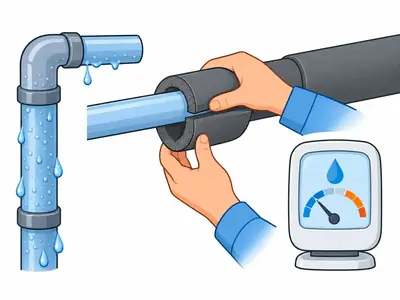
1. Slit sleeves open along their seam and snap over the pipe.
2. Butt the sections tight; gaps leak heat.
3. Seal the seams with the sleeve's self-seal strip or foil tape.
4. Zip ties or tape at intervals keep sleeves from sliding on horizontal runs.
5. Handle corners and fittings
The detail work.
1. Miter the sleeve ends at forty-five degrees for elbows.
2. Valves and tees get sleeve segments cut to fit around them.
3. Irregular fittings take a wrap of tape over fitted pieces.
4. The goal is continuous coverage; every exposed inch radiates.
6. Respect the clearances
The safety lines.
1. Keep sleeves at least six inches from the water heater's flue.
2. Gas water heater draft hoods and vents stay bare.
3. Recessed lights and heat sources in the ceiling keep their clearances.
4. How to insulate a water heater covers the tank blanket that pairs with this job.
7. Verify and maintain
The payoff check.
1. Feel the wait at the far bathroom; it should shorten.
2. Inspected yearly, sleeves last indefinitely; reseat any that slide.
3. Check for moisture under sleeves on cold pipes in humid summers; sweating means sealing the seam.
4. Add sleeves when any plumbing work opens new runs; water heater maintenance checklist day is a good annual reminder.
Common mistakes
- Sleeving right up to the flue.
- Leaving gaps between sections that leak heat.
- Wrong-size sleeves that split or sag.
- Insulating only the first feet and skipping the long cold runs.
- Covering valves so they cannot operate.
FAQ
How do you insulate hot water pipes?
Snap foam sleeves sized to the pipe over the accessible runs, butt the sections tight, seal the seams and miter the corners. Prioritize the first six feet from the heater and the long runs through unheated spaces.
Is it worth insulating hot water pipes?
Yes. Water arrives a few degrees hotter, the wait at the faucet shortens and the heater runs less. The materials are cheap and the job is an afternoon.
What is the best insulation for hot water pipes?
Foam pipe sleeves sized to the pipe, with walls as thick as the space allows. Self-sealing seams make the job fast, and foil-faced sleeves add a radiant barrier in very cold spaces.
Does pipe insulation prevent freezing?
It slows freezing and buys time in cold snaps, and in unheated spaces it is the first defense. The freeze-focused guide covers the full protection plan, including the heat and sealing that insulation complements.
Related guides
- How to Insulate Water Pipes to Prevent Freezing: Learn how to insulate water pipes to prevent freezing. Choose foam sleeves, wrap pipes in cold spaces, seal...
- How to Insulate a Water Heater and Hot Water Pipes Safely: Learn how to insulate a water heater with a blanket and pipe wrap: check if you need it, keep clear of vents...
- Water Hammer in Pipes: Why It Bangs and How to Stop It: Water hammer in pipes causes banging when you shut off a tap. Find the cause, secure loose pipes and learn...
- Sweating Pipes: How to Stop Water Drips: Sweating pipes drip water and can stain ceilings. Learn how to tell condensation from a leak, insulate cold...
- How to Cap a Water Supply Line: How to cap a water supply line for a removed sink, toilet or appliance: shutoff options, cap types and the...
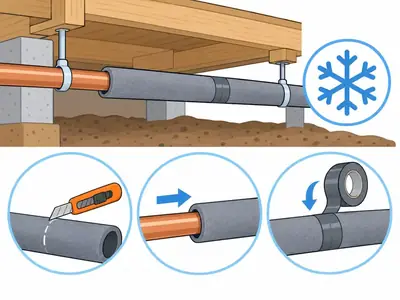 PlumbingHow to Insulate Water Pipes to Prevent FreezingLearn how to insulate water pipes to prevent freezing. Choose foam sleeves, wrap pipes in cold spaces, seal drafts and use simple tricks in a hard freeze.
 PlumbingHow to Insulate a Water Heater and Hot Water Pipes SafelyLearn how to insulate a water heater with a blanket and pipe wrap: check if you need it, keep clear of vents and controls, and cut standby heat loss safely.
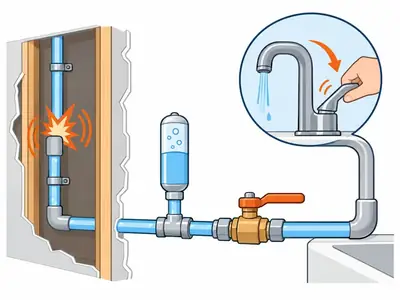 PlumbingWater Hammer in Pipes: Why It Bangs and How to Stop ItWater hammer in pipes causes banging when you shut off a tap. Find the cause, secure loose pipes and learn when to add an arrestor or call a plumber.
 PlumbingSweating Pipes: How to Stop Water DripsSweating pipes drip water and can stain ceilings. Learn how to tell condensation from a leak, insulate cold lines and control humidity. Steps and tools.
 PlumbingHow to Cap a Water Supply LineHow to cap a water supply line for a removed sink, toilet or appliance: shutoff options, cap types and the leak test that proves the seal.