
Sump Pump Discharge Pipe Frozen: How to Fix It
Part of: Basic plumbing
- Difficulty
- Moderate
- Time
- 30 to 90 minutes
- Tools
- Hair dryer, warm towels, bucket, flashlight, pipe extension, gloves
- Call a pro if
- the pit is full and still rising, the pipe is cracked or you cannot reach the frozen part
In this guide
- Power off first
- Wear protection
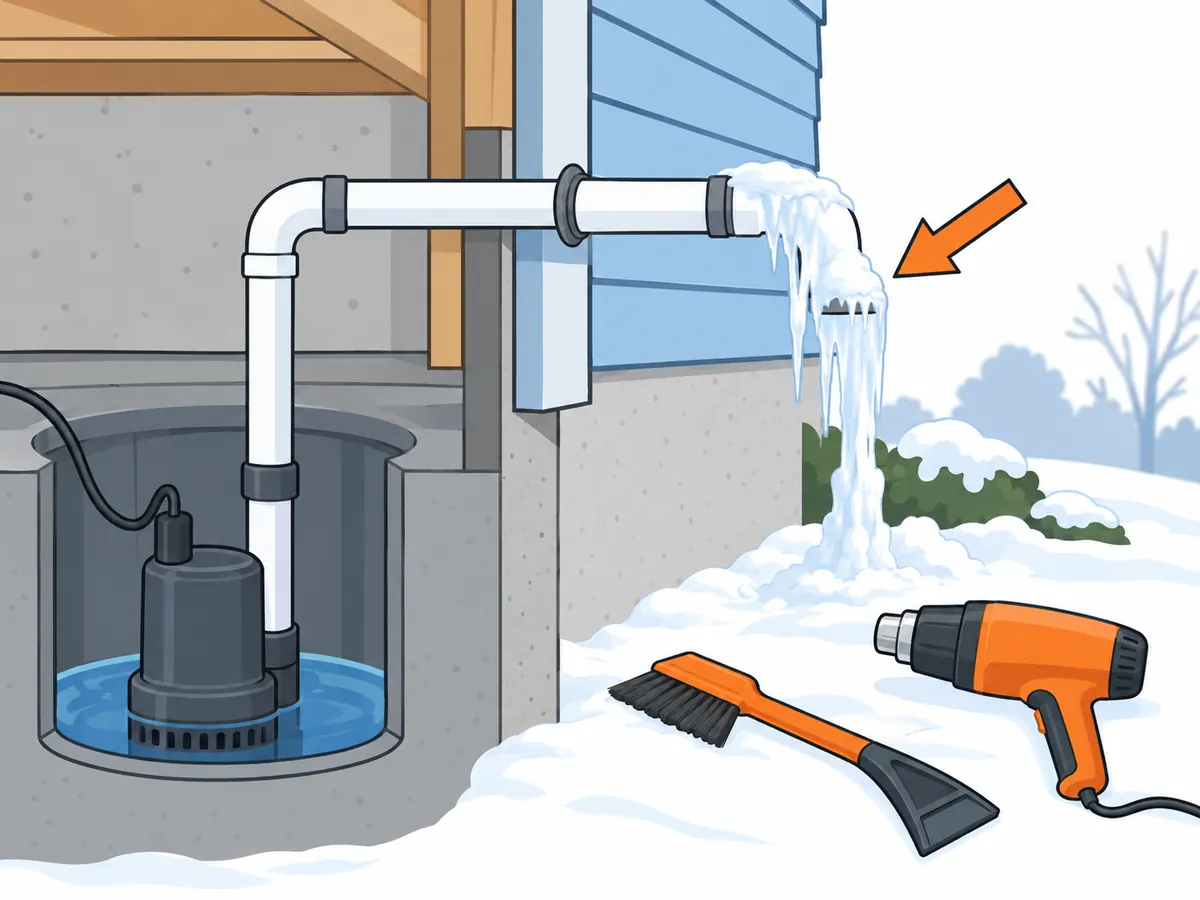
A sump pump discharge pipe frozen in winter can force water back into the pit, so act early. In cold weather, the pipe that carries water from the sump pump to the yard can freeze. When ice blocks the pipe, the pump runs but the water has nowhere to go. It backs up in the pit and can flood the basement. This is common during a thaw, when the pump runs most. This guide shows how to spot a frozen line, thaw it safely and set it up so it does not freeze again.
This guide is part of our wider guide to water pressure, pipes and sump pumps.
Signs of a frozen line
The pump runs often but the pit does not empty. The pump runs and you hear it straining. Water in the pit rises higher than normal. You see no water coming out of the outdoor end of the pipe during a run. The pipe outside is covered in ice or the end is blocked by a snow pile. A check valve may also chatter.
Act fast
If the pit is close to full, unplug the pump to prevent overheating, and use a bucket or a wet vacuum to remove some water from the pit by hand until you can thaw the line. Do not let the pump run dry or strain against a blocked pipe for long.
Step by step: thaw the line
1. Go outside and find the end of the discharge pipe. Clear snow and ice from the opening.
2. Break loose ice at the opening with a gloved hand or a wooden stick. Do not hit the pipe hard, since cold plastic can crack.
3. Warm the pipe with a hair dryer on low or warm towels soaked in hot water, from the open end toward the house. Keep electrical cords and the dryer away from standing water.
4. Pour warm water slowly into the opening if the pipe is open. Do not use boiling water on plastic.
5. Work back toward the house as the ice melts.
6. Check for flow. Plug in the pump and pour water into the pit. See whether water flows out of the pipe.
7. Clear the area around the opening so water can leave.
Never use a torch or open flame. See How to thaw frozen pipes safely.
Fix the setup
A discharge pipe that has no slope can hold water and freeze. The pipe should slope down away from the house, with no sags. Add a longer pipe or an extension so the water exits far from the foundation. Consider a discharge pipe with a freeze relief opening, which lets water escape if the end freezes. Insulate the exposed part of the pipe with foam sleeves. Check the check valve and the pit lid.
Signs that point to each cause
A pipe that freezes only at the end points to water sitting in the last section. A pipe that freezes in the middle has a low spot. A pump that cycles quickly points to a leaking check valve. A discharge that ends against a snowbank is easily blocked. A pump that does not run at all has a different problem. See Sump pump not working: what to check and Sump pump battery backup: how it works.
Prevention
Clear snow from the outlet after storms. Make sure the pipe slopes away from the house. Insulate the exposed pipe. Check the pit and the pump before winter. Clean the pit. See How to clean a sump pump pit and Downspout drainage: how to direct water away.
Keep an eye on the weather
Check the discharge during any thaw or heavy rain in winter. Walk out and look at the outlet while the pump runs. A strong stream means all is well. A weak stream or none means a block. Keep a few spare feet of pipe in the garage in case you need to extend the line during a storm.
Add a freeze relief opening
A freeze relief is a small branch or a tee in the discharge line, placed indoors near the wall, with an open end that lets water escape if the outdoor part freezes. The water then leaves through the relief instead of backing up to the pump. It also gives you a clue, since water at the relief means the line outside is blocked. A plumber can fit one in a short visit.
Do not run the pump dry
If you drain the pit by hand during a freeze, plug the pump back in once the line is open. Watch it through a full cycle to make sure it shuts off. A pump that runs on a blocked line gets hot and can fail, so do not leave it that way.
Related guides
- How to Fix a Leaking PVC Pipe Joint
- How to Fix Low Water Pressure in One Faucet
- How to Fix a Leaky Hose Connection at the Spigot or Sprayer
- How to Insulate Water Pipes to Prevent Freezing
FAQ
Why does the discharge pipe freeze? Water left in the pipe turns to ice in the cold.
Can I leave the pump running? Not if the line is blocked. It can burn out.
Does insulation fix it? It helps, but the slope and outlet matter too.
What if the end is buried in snow? Clear it, and keep it clear.
More from this topic
- Sump Pump Not Working: What to Check: Sump pump not working? Check power, the float switch, the discharge pipe and the check valve. Safe steps,...
- How to Keep a Basement Dry in Spring: Learn how to keep a basement dry in spring: clear snow and gutters early, move roof water away, fix grading,...
- Sump Pump Battery Backup: A sump pump battery backup keeps your basement dry during a power outage. Learn how it works, how to test it...
- How to Thaw Frozen Pipes Safely: How to thaw frozen pipes safely with a hair dryer or warm towels. Steps to find the freeze, what never to do...
- Sump Pump Runs Constantly After Rain: What to Check: Sump pump runs constantly after rain? Learn what is normal, then check the float switch, check valve and...
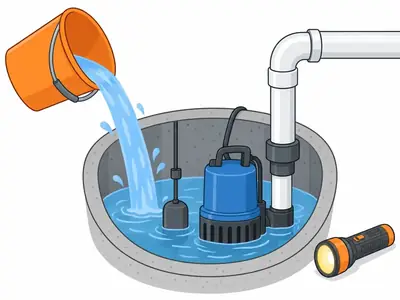 PlumbingSump Pump Not Working: What to CheckSump pump not working? Check power, the float switch, the discharge pipe and the check valve. Safe steps, tools and when to call a pro before the rain.
 PlumbingHow to Keep a Basement Dry in SpringLearn how to keep a basement dry in spring: clear snow and gutters early, move roof water away, fix grading, seal cracks and test the sump pump.
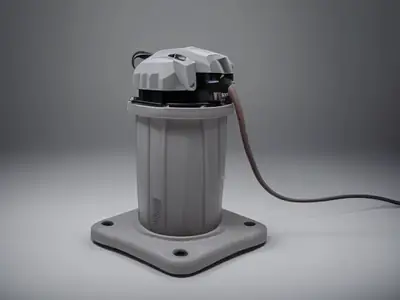 PlumbingSump Pump Battery BackupA sump pump battery backup keeps your basement dry during a power outage. Learn how it works, how to test it and how to maintain the battery and the pump.
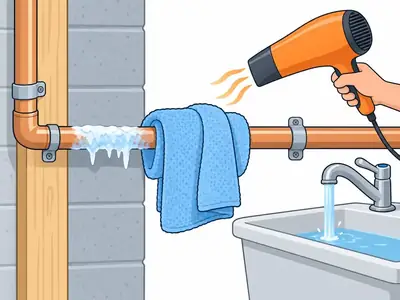 PlumbingHow to Thaw Frozen Pipes SafelyHow to thaw frozen pipes safely with a hair dryer or warm towels. Steps to find the freeze, what never to do and when to shut off the water and call a plumber.
 PlumbingSump Pump Runs Constantly After Rain: What to CheckSump pump runs constantly after rain? Learn what is normal, then check the float switch, check valve and discharge line before the next storm.