
Sump Pump Not Working: What to Check
Part of: Basic plumbing
- Difficulty
- Easy to medium
- Time
- 20 to 60 minutes
- Tools
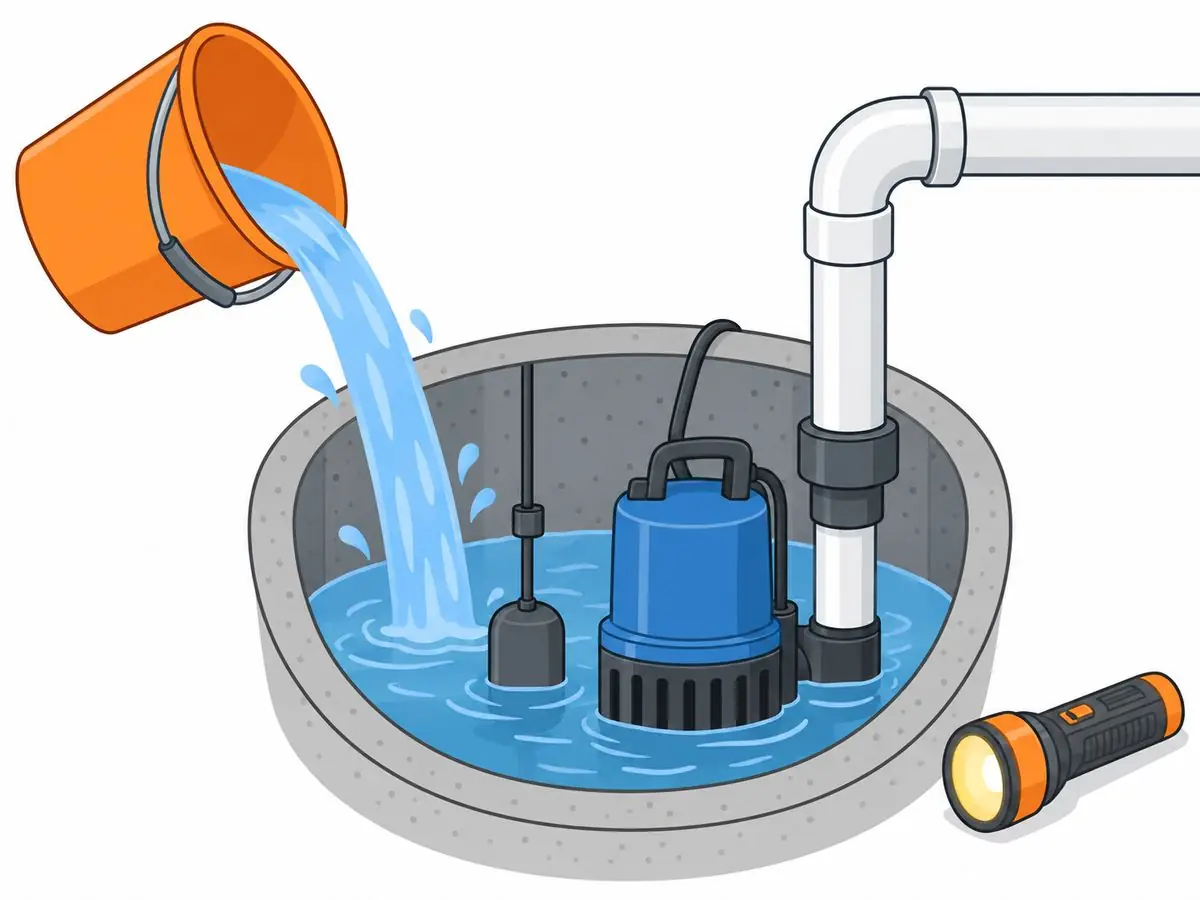
- Flashlight, bucket of water, rubber gloves, screwdriver, wet/dry vacuum
- Call a pro if
- the pump is humming but not moving water, there is standing water around electrical equipment, the pit is full and you cannot reach the plug safely, or the pump is more than about 10 years old
In this guide
- Power off first
With a sump pump not working, check power, the float and the discharge line. A sump pump keeps groundwater out of your basement. If your sump pump is not working, check it before the next heavy rain, not during it. Most problems are simple: no power, a stuck float or a clogged discharge pipe.
This guide is part of our wider guide to water pressure, pipes and sump pumps.
Step by step
1. Look at the pit. Remove the lid and shine a flashlight in. Look for debris, silt and standing water.
2. Check the power. Confirm the pump is plugged in. Check the GFCI outlet and the breaker. Reset them if tripped. See How to reset a tripped breaker.
3. Do the bucket test. Pour a bucket of water slowly into the pit. The float should rise and the pump should turn on, push water out and then shut off.
4. If the pump does not start, look at the float. It may be stuck against the wall of the pit or tangled with the cord. Move it free.
5. If the float is free and the pump still does nothing, the switch or motor may have failed.
6. If the pump runs but water does not leave, check the discharge pipe. Look outside to see where the pipe ends. It must not be frozen, blocked or buried.
7. Check the check valve. This valve on the discharge line stops water flowing back into the pit. Listen for a click or a thump. A stuck valve can cause the pump to run constantly.
8. Clean the pit. Unplug the pump first. Remove silt, stones and debris with a wet/dry vacuum and gloves. Keep the intake screen clear.
9. Check the air hole. A small hole in the discharge pipe above the pump prevents airlock. Clear it if it is blocked.
10. Test again with the bucket.
When to replace
If the pump is old, noisy, constantly cycling or fails the bucket test after cleaning, replace it. Many homeowners also add a battery backup so the pump works during power outages. A plumber can install one.
Prevent trouble
Test the pump every few months and before storm season. Keep the lid in place. Make sure the downspouts carry water away from the foundation. See How to clean gutters.
Questions to ask about the pit
Is the pit deep enough, with a lid that fits? Is the pump on a firm base, not sitting in silt? Does the discharge pipe slope away from the house and end at least several feet from the wall? Is there a check valve? Answering these helps you spot weak points. Pumps sitting in mud or without a lid fail earlier.
Backup options
A battery backup pump steps in when the power goes out or the main pump fails. A water-powered backup uses city water pressure and needs no electricity, but not all areas allow it, and it uses water. A high-water alarm warns you if the pit fills up. Each option has costs and limits, so ask a plumber what suits your home.
Related guides
- Clean Sump Pump Pit and Check the Float: Simple Steps
- Sump Pump Battery Backup: How It Works and How to Maintain It
FAQ
How often should I test the pump?
Every three to four months, and before heavy rain.
Why does my pump run all the time?
A stuck float, a failed check valve or very high groundwater.
Can I keep using a noisy pump?
Noise can warn of a failing motor. Plan to replace it soon.
What if my power goes out?
A battery backup or water-powered backup can keep the pit from flooding.
More from this topic
- Sump Pump Discharge Pipe Frozen: How to Fix It: Sump pump discharge pipe frozen in winter? Learn how to thaw it safely, keep water moving and prevent ice...
- Sump Pump Runs Constantly After Rain: What to Check: Sump pump runs constantly after rain? Learn what is normal, then check the float switch, check valve and...
- How to Replace a Sump Pump Float Switch: Learn how to replace a sump pump float switch: test the old one, unplug the pump, match the switch type, set...
- Clean Sump Pump Pit and Check the Float: Simple Steps: Need to clean sump pump pit silt and debris? Learn the safe steps, test the float switch and keep your...
- How to Test a Sump Pump Before You Need It: Learn how to test a sump pump: check the float, pour water to trigger it, test the check valve and backup,...
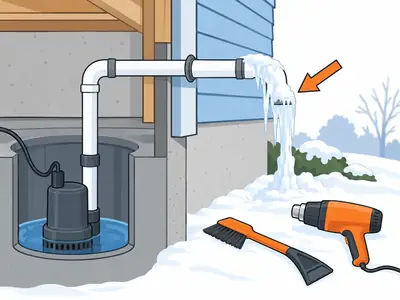 PlumbingSump Pump Discharge Pipe Frozen: How to Fix ItSump pump discharge pipe frozen in winter? Learn how to thaw it safely, keep water moving and prevent ice blocks that flood basements.
 PlumbingSump Pump Runs Constantly After Rain: What to CheckSump pump runs constantly after rain? Learn what is normal, then check the float switch, check valve and discharge line before the next storm.
 PlumbingHow to Replace a Sump Pump Float SwitchLearn how to replace a sump pump float switch: test the old one, unplug the pump, match the switch type, set the on and off levels and check the pump cycles.
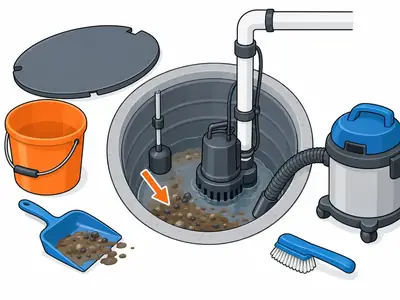 PlumbingClean Sump Pump Pit and Check the Float: Simple StepsNeed to clean sump pump pit silt and debris? Learn the safe steps, test the float switch and keep your basement dry when heavy rain arrives.
 PlumbingHow to Test a Sump Pump Before You Need ItLearn how to test a sump pump: check the float, pour water to trigger it, test the check valve and backup, and keep the pit clear so it works in a storm.