
Sump Pump Runs Constantly After Rain: What to Check
Part of: Basic plumbing
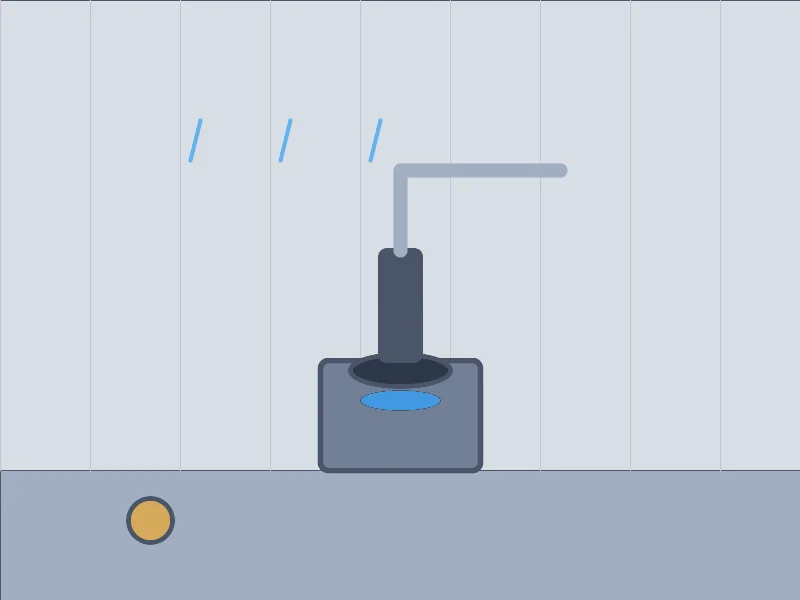
- Difficulty
- Easy to medium
- Time
- 30 to 60 minutes
- Tools
- Rubber gloves, flashlight, bucket, rag, garden hose for a test run
- Call a pro if
- The pump runs nonstop with a dry pit, the breaker or GFCI trips, the pit is filling faster than the pump can clear it, or the pump is more than seven to ten years old and short-cycling.
In this guide
- Decide whether it is normal
- Unplug it, then look at the pit
- Check the float switch
- Check the check valve
- Check the discharge line
- Look at what feeds the pit
- Consider the pump's age and size
- When the water table is the real cause
- Test it before the next storm
- Quick tips
- When to stop and call a pro
- Common mistakes
- Related guides
- FAQ
- Sources
- Power off first
Sump pump runs constantly after rain? That is often just the pump doing its job. A pump that runs for days, or runs when the pit is nearly dry, is telling you something is wrong. The difference between the two is a short list of checks you can do yourself.
1. Decide whether it is normal
1. After a big storm, a sump pump running for two or three days is within the normal range, because groundwater stays high after the rain stops (Angi).
2. Saturated or clay-heavy soil drains slowly, so the pit keeps refilling long after the sky clears.
3. Look at the ground outside. Big puddles and muddy patches mean the water is not draining away through the soil, and the pump is carrying that load.
4. Normal means the pump runs, stops, and runs again with water actually arriving. It does not mean a motor that never shuts off.
2. Unplug it, then look at the pit
1. Pull the plug before anything else. Gloves on.
2. Look at the water level. If the pit is dry or nearly dry and the pump is still running, the switch is the problem, not the water.
3. Shine the flashlight into the pit and look for sediment, gravel, a piece of liner, or a toy that has washed in.
4. Check that the inlet openings in the pit are not blocked with mud, which makes the pump work against a false water level.
3. Check the float switch
1. The float is the part that turns the pump on and off as the water rises and falls.
2. Lift the float by hand. You should hear or feel the switch click, and the pump should start when you plug it back in with the float up.
3. A float jammed against the pit wall, caught on the discharge pipe or tangled in debris will keep the pump running because the switch never opens.
4. Free it, clear the debris, and check that the float moves through its full travel without touching anything.
5. If the float is waterlogged and sits low, or the switch does not click at all, the switch or the pump needs replacing.
4. Check the check valve
1. The check valve is the fitting on the discharge pipe that lets water out and stops it running back in.
2. If it fails open, the water the pump just pushed up the pipe drains straight back into the pit, and the pump starts again. That is the endless cycle people describe as running constantly.
3. Feel the discharge pipe while the pump runs. It should get warm and stay full. A pipe that gurgles and drains after every cycle points at the valve.
4. A check valve is a cheap part and a straightforward replacement if the pipe above it is accessible.
5. Check the discharge line
1. Follow the discharge pipe to where it empties outside. It should carry water well away from the foundation.
2. Look for a crushed, kinked or frozen section, and for an end that is buried in soil or sitting under water.
3. If the outlet is too close to the house, the water runs straight back into the ground around the foundation and returns to the pit. That is a loop you are paying for in electricity.
4. Clear the outlet, extend it if it ends within a few feet of the wall, and make sure it slopes away from the house.
6. Look at what feeds the pit
1. Clogged gutters and broken downspouts dump roof water at the foundation instead of carrying it away (Angi).
2. Walk the outside of the house after the next rain and watch where the water goes.
3. Downspout extensions, splash blocks and grading that slopes away from the wall all reduce how hard the pump has to work.
4. This is the cheapest fix on the list, and it is often the reason a pump that used to cycle now runs nonstop.
7. Consider the pump's age and size
1. Most sump pumps last about seven to ten years (Angi).
2. A pump that is near the end of that range, sounds rough, or short-cycles is on its way out.
3. If the pit fills faster than the pump can clear it, the pump is undersized for the water coming in. A larger unit or a second pump is the answer, not a longer hose.
4. For reference, Angi puts the pump unit itself at roughly $60 to $400, and professional installation labor at roughly $600 to $2,000 depending on where the pit is.
8. When the water table is the real cause
1. If the pump runs hard for days after every storm and the pit refills within minutes of shutting off, you are fighting groundwater, not a broken part.
2. That is a drainage problem around the house, not a pump problem. Gutters, grading, and in some cases a French drain or a second pit are the fixes.
3. A battery backup or a water-powered backup keeps the basement dry if the power goes out during the same storm, which is when a running pump matters most.
9. Test it before the next storm
1. Plug the pump back in and pour a bucket of water into the pit. The pump should start, clear the water and shut off.
2. If it starts but does not shut off after the water is gone, the float or the switch is still the problem.
3. Run the test once a season, before the spring melt and before the fall storm season.
4. Keep the pit cover on, and keep the area around the pit clear so you can reach it in a hurry.
Quick tips
- Two or three days of running after a big storm is normal. A week is not.
- Unplug before you touch the float, every time.
- Photograph the discharge pipe layout before you take anything apart.
- Extend a downspout that ends within a few feet of the foundation.
- Test with a bucket of water rather than waiting for the next storm.
When to stop and call a pro
Stop if the pump runs with a dry pit after you have freed the float and checked the switch. Stop if the GFCI or breaker trips, because that is an electrical fault in a wet location. Stop if the pit fills faster than the pump clears it, if the pump is more than seven to ten years old, or if the discharge line is buried and you cannot find the blockage. A basement waterproofing contractor can also tell you whether the water coming in is a drainage problem that no pump will solve.
Common mistakes
- Reaching into the pit to free the float with the pump still plugged in.
- Assuming a running pump is a failing pump when the groundwater is simply high.
- Replacing the pump when the check valve is the fault.
- Leaving the discharge outlet right against the foundation.
- Ignoring clogged gutters that feed the pit all winter.
- Swapping a tripping GFCI for a plain outlet to keep the pump running.
Related guides
- How to clean a sump pump pit
- How to get a sump pump ready for spring rain
- How to install a sump pump
- Sump pump runs constantly: what it means
- How to keep a basement dry in spring
- How to clean a garage floor drain
FAQ
How long is it normal for a sump pump to run after heavy rain?
Two or three days is normal after a big storm, because groundwater stays high after the rain stops (Angi). Longer than that, or running when the pit is nearly dry, points at a fault.
Why does my sump pump run every few minutes?
Short cycling usually means water is coming straight back into the pit. Check the check valve first, then the discharge outlet and the float travel.
Can a sump pump run dry and burn out?
Yes. A pump running with no water in the pit overheats. If the pit is dry and the pump is running, unplug it and fix the float or switch.
Should the sump pump be on a GFCI?
It should be on a GFCI protected circuit, and if that GFCI keeps tripping you have a fault to find, not a nuisance to bypass.
Does a running pump mean my basement will stay dry?
Only if the water is leaving the house. A pump that cycles the same water back into the pit keeps the motor hot and the basement no drier.
Sources
- Angi, "Is Your Sump Pump Running Constantly After Heavy Rain?" (checked 2026-11-28)
More from this topic
- Sump Pump Runs Constantly: What It Means: Sump pump runs constantly? It is usually a stuck float, a failed check valve or more water than it can...
- Sump Pump Not Working: What to Check: Sump pump not working? Check power, the float switch, the discharge pipe and the check valve. Safe steps,...
- How to Install or Replace a Sump Pump Check Valve: Sump pump cycling on and off or water flowing back into the pit? Learn how to install or replace a sump pump...
- How to Keep a Basement Dry in Spring: Learn how to keep a basement dry in spring: clear snow and gutters early, move roof water away, fix grading,...
- Toilet Tank Not Filling: What to Check: A toilet tank not filling is usually the shutoff valve, a stuck float or a clogged fill valve. Check them in...
 PlumbingSump Pump Runs Constantly: What It MeansSump pump runs constantly? It is usually a stuck float, a failed check valve or more water than it can handle. How to tell and what to do.
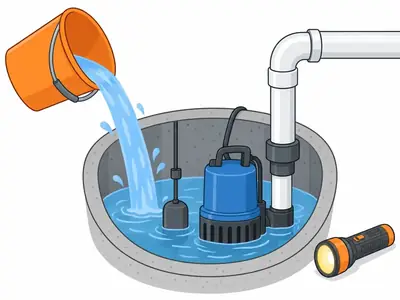 PlumbingSump Pump Not Working: What to CheckSump pump not working? Check power, the float switch, the discharge pipe and the check valve. Safe steps, tools and when to call a pro before the rain.
 PlumbingHow to Install or Replace a Sump Pump Check ValveSump pump cycling on and off or water flowing back into the pit? Learn how to install or replace a sump pump check valve and set it up correctly.
 PlumbingHow to Keep a Basement Dry in SpringLearn how to keep a basement dry in spring: clear snow and gutters early, move roof water away, fix grading, seal cracks and test the sump pump.
 PlumbingToilet Tank Not Filling: What to CheckA toilet tank not filling is usually the shutoff valve, a stuck float or a clogged fill valve. Check them in this order, with the water off when needed.