
How to Keep a Basement Dry in Spring
Part of: Basic plumbing

- Difficulty
- Moderate
- Time
- 3 to 6 hours of prep
- Tools
- Shovel, wheelbarrow, downspout extensions, hydraulic cement, sump pump, dehumidifier, hose, gloves
- Call a pro if
- Water enters through the floor or wall every spring, or the foundation is cracked or bowing, since that needs drainage work or waterproofing by a contractor.
In this guide
- Power off first
- Call 811 before digging
Spring is when basements get wet: snowmelt, saturated soil and heavy rain all arrive at once. The work that keeps water out happens before the thaw, not during it. How to keep a basement dry in spring starts before the thaw, clearing snow from the foundation walls and the gutters before the first big melt.
1. Start before the thaw
1. Clear snow away from the foundation walls.
2. Clear the gutters before the first big melt.
3. Check the ground slope around the house.
4. Test the sump pump and the backup.
5. Move stored items off the floor and onto shelves or pallets, so a small amount of water cannot reach them.
2. Move water away from the roof
1. Check that downspouts discharge several feet from the wall.
2. Add extensions or splash blocks.
3. Make sure the water runs downhill away from the house.
4. Clear leaves from gutters and outlets.
3. Fix the grading
1. The soil should slope away from the foundation.
2. Add soil to low spots, but keep it below the siding.
3. Do not pile soil against the wall above the foundation line.
4. Create a shallow swale if the yard slopes toward the house.
5. Compact new soil so it does not wash away.
4. Seal what you can
1. Fill cracks in the wall with hydraulic cement.
2. Seal the wall-floor joint with a suitable caulk.
3. Repair a cracked floor slab.
4. Check that window wells drain.
5. Get the sump system ready
1. Clean the pit.
2. Pour water in to test the pump.
3. Check the discharge line is clear and not frozen.
4. Test the backup pump and battery.
6. Control the humidity
1. Run a dehumidifier as the weather warms.
2. Set it to about 50 percent.
3. Keep the space closed in humid weather.
4. Ventilate on dry days.
5. Do not dry laundry in the basement without venting.
7. Watch the first big melt
1. Check the basement daily during the thaw.
2. Look at the wall-floor joint and the floor drains.
3. Note where water appears; that is where the fix belongs.
4. Photograph anything that comes in.
5. Act on small damp patches before they become mold.
8. Deal with what gets in
1. Remove standing water with a wet vacuum or pump.
2. Run fans and the dehumidifier.
3. Lift anything wet off the floor.
4. Clean and dry the surfaces within 48 hours.
9. Plan bigger work if it repeats
- Interior drain tile handles chronic seepage.
- Exterior waterproofing is the most effective.
- A larger sump pit and a second pump help where the water table is high.
- Fix the grading and gutters first; they are the cheapest wins.
- Get quotes in winter when contractors are less busy.
Common mistakes
- Waiting for the flood to test the pump.
- Letting downspouts discharge at the wall.
- Piling soil against the siding.
- Sealing cracks with the wrong product.
- Running a dehumidifier with windows open.
FAQ
Why does my basement leak only in spring?
Snowmelt and saturated soil raise the water table and push water against the foundation.
Will sealing cracks keep my basement dry?
It helps with damp patches, but water pressure from outside needs drainage.
How often should I test the sump pump?
Before spring, and again midseason.
What humidity should a basement be?
Around 50 percent or lower to prevent mold.
Related guides
- Sump Pump Runs Constantly After Rain: What to Check: Sump pump runs constantly after rain? Learn what is normal, then check the float switch, check valve and...
- How to Install or Replace a Sump Pump Check Valve: Sump pump cycling on and off or water flowing back into the pit? Learn how to install or replace a sump pump...
- Sump Pump Battery Backup: A sump pump battery backup keeps your basement dry during a power outage. Learn how it works, how to test it...
- Sump Pump Discharge Pipe Frozen: How to Fix It: Sump pump discharge pipe frozen in winter? Learn how to thaw it safely, keep water moving and prevent ice...
- Sump Pump Not Working: What to Check: Sump pump not working? Check power, the float switch, the discharge pipe and the check valve. Safe steps,...
 PlumbingSump Pump Runs Constantly After Rain: What to CheckSump pump runs constantly after rain? Learn what is normal, then check the float switch, check valve and discharge line before the next storm.
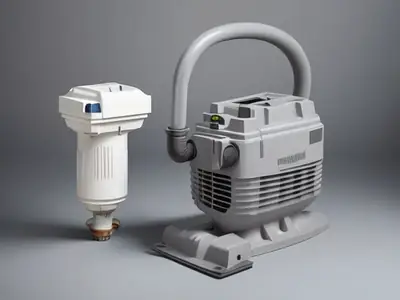 PlumbingHow to Install or Replace a Sump Pump Check ValveSump pump cycling on and off or water flowing back into the pit? Learn how to install or replace a sump pump check valve and set it up correctly.
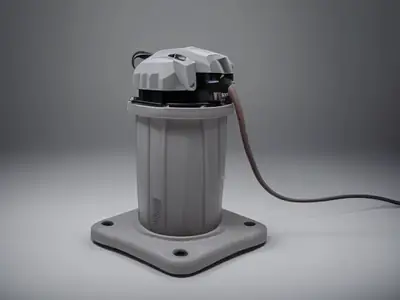 PlumbingSump Pump Battery BackupA sump pump battery backup keeps your basement dry during a power outage. Learn how it works, how to test it and how to maintain the battery and the pump.
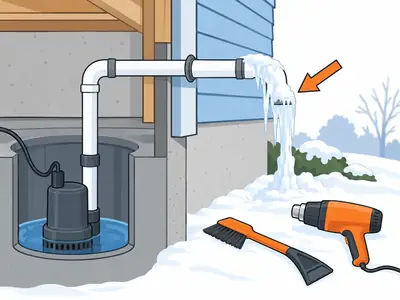 PlumbingSump Pump Discharge Pipe Frozen: How to Fix ItSump pump discharge pipe frozen in winter? Learn how to thaw it safely, keep water moving and prevent ice blocks that flood basements.
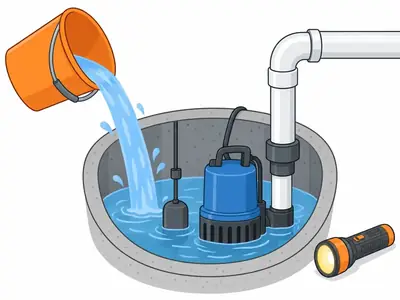 PlumbingSump Pump Not Working: What to CheckSump pump not working? Check power, the float switch, the discharge pipe and the check valve. Safe steps, tools and when to call a pro before the rain.