
Sump Pump Battery Backup
Part of: Basic plumbing
- Difficulty
- Easy to test, medium to install
- Time
- 15 minutes to test, 1 to 3 hours to install
- Tools
- Bucket, garden hose or watering can, flashlight, screwdrivers, tape measure, gloves
- Call a pro if
- the pit is too small, there is no outlet nearby, or you are not comfortable with plumbing and wiring
In this guide
- Power off first
- Gas safety
- Wear protection
Heavy storms often knock out power at the same time the water table rises. That is when your sump pump is needed most, and when it stops working. A sump pump battery backup runs a second pump from a battery when the main pump loses power or fails. This guide explains how the system works, how to test it and how to keep it ready.
This guide is part of our wider guide to water pressure, pipes and sump pumps.
How the system works
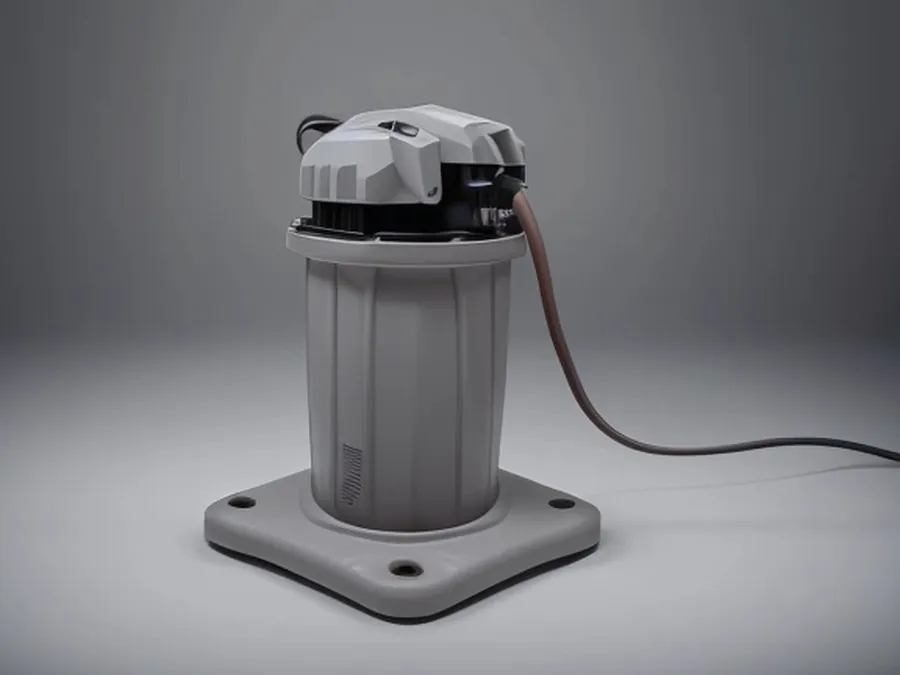
A battery backup system has a second pump placed in the sump pit, next to the main pump, with its own float switch. A controller and a charger keep a deep cycle battery charged. When the pit fills and the main pump cannot run, the backup pump starts and pumps the water out through its own discharge pipe or a connection to the main one. Most systems also have an alarm that sounds if the battery is low or the pump is running.
A battery backup runs for a limited time. The length depends on the battery size, how often the pump runs and how fast water enters the pit. A larger battery runs longer.
Why a main pump fails
- A power outage.
- A stuck float switch.
- A clogged intake screen or discharge line.
- A worn motor.
- A tripped breaker or GFCI. See GFCI outlet will not reset.
- A frozen discharge line.
See Sump pump not working: what to check for troubleshooting of the main pump.
Step by step: test the backup
1. Check the controller. Look for a green light that shows the unit has power and the battery is charged.
2. Pour water into the pit with a bucket until the main pump turns on. Watch it pump the water out.
3. Unplug the main pump carefully, with dry hands, and keep pouring. The water level should rise until the backup float turns on the backup pump.
4. Watch the backup pump run and remove the water. Check that the discharge pipe sends the water outside.
5. Plug the main pump back in.
6. Reset any alarm and check the battery light.
Test the system every three months, and before the wet season.
Battery care
The battery is the weak point. Check the terminals for corrosion and clean them if needed. Check the water level in a flooded lead acid battery if your model allows it, and add distilled water only. Keep the battery in a dry, ventilated place. Most batteries last three to five years, so write the install date on the battery and plan to replace it on time. A battery that is old, swollen or leaking must be replaced.
Signs that point to each cause of failure
A backup pump that does not start with a full battery may have a stuck float or a loose connection. A pump that runs but moves little water may have a clogged intake or discharge line. A constant alarm usually means the battery is weak or the charger has failed. A pump that cycles on and off every few seconds can mean a faulty check valve, which lets water flow back. A backup that runs only a short time suggests a battery that has lost capacity.
Placement and sizing
The two pumps must fit in the pit without blocking each other's floats. A pit that is 18 inches wide or more is better for two pumps. Place the backup float slightly higher than the main one so it only turns on when the main pump fails. Use a separate discharge line if you can, with its own check valve.
Other ways to protect the basement
- A water powered backup, which uses water pressure from the city supply. It is not for wells.
- A generator, which powers the main pump during an outage.
- A water alarm in the basement.
- Gutter and downspout care. See Downspout drainage: how to direct water away.
Prevention
Clean the pit once a year. Remove silt and debris. Check that the discharge line is clear and that the outside end is free of leaves and ice. Keep the outlet dry. Keep a record of test dates.
Related guides
- Clean Sump Pump Pit and Check the Float: Simple Steps
- How to Fix a Leaking PVC Pipe Joint
- How to Thaw Frozen Pipes Safely
- How to Insulate Water Pipes to Prevent Freezing
- How to Install or Replace a Sump Pump Check Valve
- Sump Pump Runs Constantly: What It Means
FAQ
How long will the backup run?
It depends on the battery and how much water comes in. Check the manual for run time.
How often should I test it?
Every three months and before storms.
Can I install it myself?
Many people can, but it requires plumbing and electrical care.
Do I still need the main pump?
Yes. The backup is for outages or failures.
More from this topic
- How to Get a Sump Pump Ready for Spring Rain: Learn how to get a sump pump ready for spring rain: test the float, clear the pit, check the discharge line...
- How to Replace a Sump Pump Float Switch: Learn how to replace a sump pump float switch: test the old one, unplug the pump, match the switch type, set...
- How to Test a Sump Pump Before You Need It: Learn how to test a sump pump: check the float, pour water to trigger it, test the check valve and backup,...
- Sump Pump Discharge Pipe Frozen: How to Fix It: Sump pump discharge pipe frozen in winter? Learn how to thaw it safely, keep water moving and prevent ice...
- Clean Sump Pump Pit and Check the Float: Simple Steps: Need to clean sump pump pit silt and debris? Learn the safe steps, test the float switch and keep your...
 SeasonalHow to Get a Sump Pump Ready for Spring RainLearn how to get a sump pump ready for spring rain: test the float, clear the pit, check the discharge line and add a battery backup.
 PlumbingHow to Replace a Sump Pump Float SwitchLearn how to replace a sump pump float switch: test the old one, unplug the pump, match the switch type, set the on and off levels and check the pump cycles.
 PlumbingHow to Test a Sump Pump Before You Need ItLearn how to test a sump pump: check the float, pour water to trigger it, test the check valve and backup, and keep the pit clear so it works in a storm.
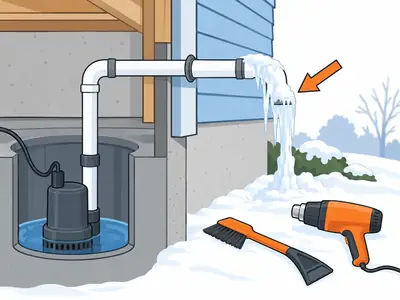 PlumbingSump Pump Discharge Pipe Frozen: How to Fix ItSump pump discharge pipe frozen in winter? Learn how to thaw it safely, keep water moving and prevent ice blocks that flood basements.
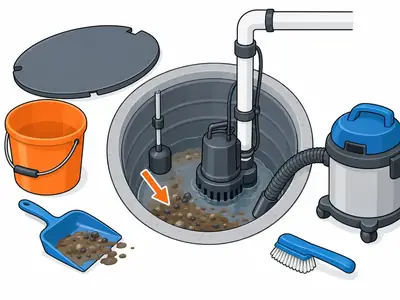 PlumbingClean Sump Pump Pit and Check the Float: Simple StepsNeed to clean sump pump pit silt and debris? Learn the safe steps, test the float switch and keep your basement dry when heavy rain arrives.