
Water Pressure, Pipes and Sump Pumps: What to Check
Part of: Basic plumbing
- Difficulty
- Easy to moderate
- Time
- 15 to 60 minutes per check
- Tools
- Pressure gauge, flashlight, adjustable wrench, towels, insulation sleeves, bucket
- Call a pro if
- Pressure reads over 80 psi, a pipe is frozen and you cannot find the shutoff, water is coming through a wall or ceiling, or the sump pump runs constantly.
In this guide
- Power off first
- Water off first
This guide covers water pressure, pipe noises and sump pumps in one place. The plumbing between your fixtures is mostly invisible, so problems show up as symptoms: weak flow, a bang when a faucet closes, pipes that sweat, water that will not come out in winter, or a sump pump that stays silent through a storm. Each of those symptoms has a short set of checks that tells you whether it is a fixture problem, a pipe problem or a pressure problem.
Pressure that is too low or too high
Measure before you guess. A cheap gauge that screws onto a hose bib or laundry tap gives you a number, and the number decides everything else. Normal household pressure sits between 40 and 60 psi, with 80 as the practical ceiling.
If the whole house is weak, the cause is usually the pressure regulator, a partly closed main valve, or a municipal supply issue. If one faucet is weak and the rest are fine, the aerator or that fixture's shutoff is the problem, and cleaning or replacing the aerator fixes most of it. Our guide on testing water pressure at home covers how to read the gauge and what the numbers mean, and the one-faucet fix covers the fixture side.
High pressure is the more expensive problem. Above 80 psi, washers fail, supply lines burst and appliances wear out early. That is a regulator issue for a plumber.
Banging and noisy pipes
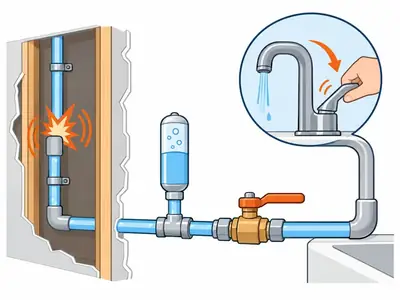
A single loud bang when a faucet or appliance closes is water hammer: the moving column of water stops suddenly and the shock travels through the pipe. The usual fixes are securing loose pipe runs, adding arrestors, and replacing a worn valve. Working through the water hammer guide in order saves you from buying an arrestor you did not need.
Rattling or ticking that follows hot water use is thermal expansion, not hammer, and is usually harmless. Hissing at a valve means a washer is going.
Sweating pipes and drips that are not leaks
Cold water pipes in humid weather collect condensation, and the drips look exactly like a leak. The test is simple: dry the pipe, wrap it in a dry paper towel, and check in ten minutes. Condensation wets the whole surface evenly; a leak wets one joint.
Insulating cold lines and controlling humidity stops it. The guide on sweating pipes explains the difference and the fix. If the wet spot is at a fitting rather than along the pipe, treat it as a leak and work through the leak guide.
Frozen and burst pipes
A pipe that has frozen but not burst can be thawed safely with a hair dryer, warm towels or a space heater kept away from anything flammable. Open the nearest faucet first so the melting water has somewhere to go, and work from the faucet end back toward the freeze. Never use a blowtorch, and never leave a heater unattended.
If a pipe has burst, shut off the main first, then open the lowest tap in the house to drain the system. Prevention is worth more than the repair: insulating pipes in cold runs, sealing the drafts that freeze them, and disconnecting hoses before the first freeze covers most of it.
Shutoffs, supply lines and water quality
The most useful ten minutes you can spend on plumbing is finding and testing the main shutoff, then the small angle stops under every sink and toilet. An angle stop that will not close turns a five-minute repair into a flood. If one is stiff or weeping, replace it before you need it.
Braided supply lines have a service life of about five to eight years; a bulging or rusted line should be replaced, not tightened. Hard water that stops soap lathering points at the softener, and the checks in the water softener guide are mostly about salt level and bypass.
Sump pumps
A sump pump is the one plumbing item that fails at the worst possible moment, usually during the storm that needs it. To test it, slowly add several gallons of water to the pit and confirm the float rises and the pump turns on and empties it. If nothing happens, check power, then the float, then the discharge line.
A pump that runs but moves no water has a blocked or frozen discharge, a stuck check valve or a failed impeller. A pump that cycles constantly has a check valve that is not holding, sending water straight back into the pit. Battery backup is worth having if your area loses power during storms, and the maintenance is mostly testing the battery twice a year.
When to stop and call a plumber
Call for pressure above 80 psi, a leak inside a wall or ceiling, a frozen pipe you cannot locate, a main valve that will not close, or a sump pump that runs continuously. Sewage or gray water in a sump pit is also a call-out, not a cleaning job.
FAQ
What is normal water pressure in a house? Between 40 and 60 psi. Under 40 feels weak at upstairs fixtures; over 80 puts stress on every joint and appliance.
Why do my pipes bang only when the washing machine fills? The machine's fast-closing valve creates the shock. Arrestors near the machine, or a replacement valve, usually quiet it.
Can I thaw a frozen pipe with boiling water? Pouring boiling water on a pipe risks cracking it and scalding you. Warm air, warm towels or a hair dryer are safer and just as effective.
How often should a sump pump be tested? Every few months, and before storm season. A pump that has sat idle for a year is the one that fails.
Related guides
- Test Water Pressure at Home With a Gauge
- How to Stop Water Hammer in Pipes
- How to Thaw Frozen Pipes Safely
- Sump Pump Not Working: What to Check
- How to Shut Off Water Main (and Find the Shutoff Valve)
- How to Test a Sump Pump Before You Need It
More from this topic
- Water Heater Problems: No Hot Water, Leaks, Noise: Water heater problems: no hot water, a leaking tank, popping noises or water that runs cold too fast....
- Clogs and Slow Drains: How to Clear Them and Keep Them Clear: Clogs and slow drains: work out which drain is clogged and why, clear it with a plunger, snake or hot water....
- Bathroom Fixtures, Tile and Grout: Install, Repair, Clean: Bathroom fixtures: fit a vanity, shower seat or grab bar, seal tile and grout, stop a leaking shower door and...
- Gutters, Drainage and Water Around the House: Gutters: clogged or sagging gutters, downspouts that dump water at the foundation, a dripping outdoor faucet...
- Water Hammer in Pipes: Why It Bangs and How to Stop It: Water hammer in pipes causes banging when you shut off a tap. Find the cause, secure loose pipes and learn...
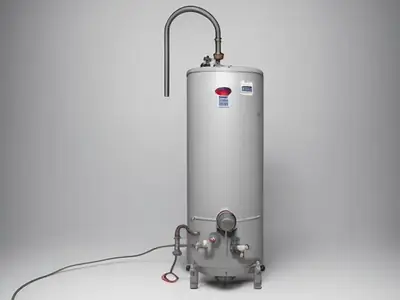 PlumbingWater Heater Problems: No Hot Water, Leaks, NoiseWater heater problems: no hot water, a leaking tank, popping noises or water that runs cold too fast. Includes the tools you need and when to call a pro.
 PlumbingClogs and Slow Drains: How to Clear Them and Keep Them ClearClogs and slow drains: work out which drain is clogged and why, clear it with a plunger, snake or hot water. Includes the tools you need and when to call a pro.
 BathroomBathroom Fixtures, Tile and Grout: Install, Repair, CleanBathroom fixtures: fit a vanity, shower seat or grab bar, seal tile and grout, stop a leaking shower door and clear hard water and mold.
 Garage and OutdoorsGutters, Drainage and Water Around the HouseGutters: clogged or sagging gutters, downspouts that dump water at the foundation, a dripping outdoor faucet or a sprinkler that will not pop up.
 PlumbingWater Hammer in Pipes: Why It Bangs and How to Stop ItWater hammer in pipes causes banging when you shut off a tap. Find the cause, secure loose pipes and learn when to add an arrestor or call a plumber.