
Water Heater Problems: No Hot Water, Leaks, Noise
Part of: Basic plumbing
- Difficulty
- Easy checks first, moderate for parts
- Time
- 10 minutes to diagnose, 30 to 90 minutes per repair
- Tools
- Screwdriver, multimeter, garden hose, bucket, wrench, plumber's tape
- Call a pro if
- The tank itself is leaking, you smell gas, the relief valve keeps dripping after you test it, or the unit is more than ten years old and the leak is at a seam.
In this guide
- Power off first
- Gas safety
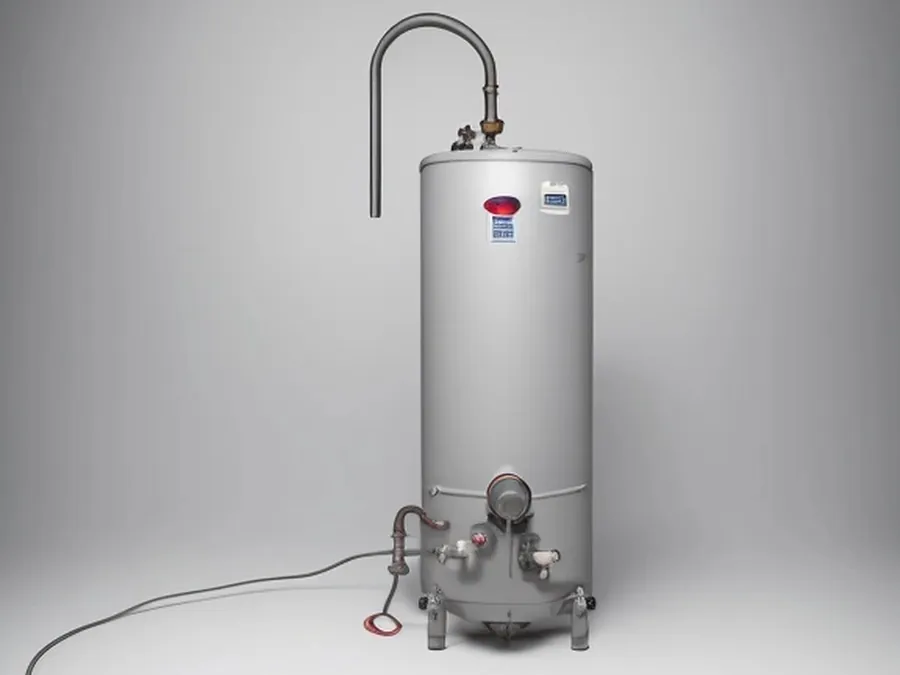
This guide covers water heater problems and what to check before you call a plumber. A tank water heater gives you four kinds of trouble: no hot water, hot water that runs out too fast, water on the floor, and noise. Each has a short list of causes, and most of them are cheap to check. What matters is telling a failed part from a failed tank, because one is a repair and the other is a replacement decision.
No hot water at all
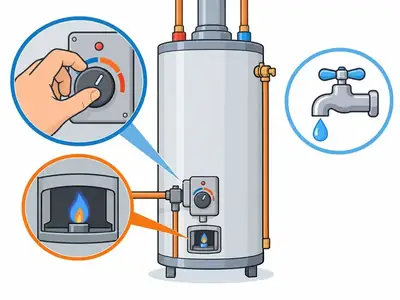
Start with the cheapest explanation. On an electric heater, a tripped breaker gives you exactly this symptom, so check the panel first. On gas, look at the pilot light or the igniter window; a pilot that will not stay lit usually means a thermocouple or a dirty flame sensor.
If power is fine and the water is cold, the guide on a water heater not producing hot water walks through the element and thermostat tests in order. On an electric unit, a failed upper element or thermostat kills all hot water, while a failed lower element only shortens how much you get. Testing an element with a multimeter takes a few minutes and tells you whether to buy a part or look elsewhere.
Hot water runs out too fast
A tank that gives you two minutes of hot water and then goes cold is usually full of sediment, or the dip tube has broken off and is delivering cold water to the top of the tank. Sediment is the common one in hard water areas, and it also explains the rumbling.
Flushing the tank is the fix for sediment, and it is worth doing once a year. If the water still runs out quickly after a flush, the dip tube or a lower element is the next suspect. Low hot water pressure with normal cold pressure is a different problem and belongs with the pressure checks, not here.
Water on the floor
Find where the water is coming from before you assume the worst. A puddle under the tank can come from four places: the drain valve, the temperature and pressure relief valve, a fitting on the top, or the tank shell itself.
A drip at the drain valve is a small repair; the guide on a water heater drain valve leak shows how to tighten, cap or replace it. Water from the relief valve means the valve is doing its job or failing; a dripping relief valve that keeps dripping after you test it needs replacement, and a valve that weeps because of high pressure needs an expansion tank check. Water from the bottom seam of the tank, with rust streaks, is a failed tank. No repair fixes that.
If the tank is in a pan or a basement, install a water leak sensor nearby. It will not stop a leak, but it turns a flood into a wet spot.
Noise: popping, rumbling, banging
Popping and rumbling are sediment. Water trapped under the crust boils and pops, and the sound gets worse as the layer thickens. Flushing removes some of it; a heavy buildup may need a professional flush or a new tank if the unit is old. A sharp banging on startup is different and can be a valve or pipe issue.
An anode rod is worth checking at the same time. It is the sacrificial part that keeps the tank from rusting through, and once it is gone the tank starts to fail. Replacing an anode rod on schedule is the cheapest way to extend a heater's life.
Settings, insulation and standby loss
Before replacing anything, confirm the temperature setting. A thermostat set low gives lukewarm water and looks like a failure. If the tank sits in a cold garage or basement, insulating the heater and the hot pipe run keeps more of the heat you are paying for. Check the expansion tank while you are there: a waterlogged tank stresses the whole system.
When to stop and call a plumber
Call for a leaking tank, a gas smell, a relief valve that will not seal, or any work inside a gas burner assembly. Call as well if the heater is over ten years old and you are facing a second repair in a year: at that point the money is better spent on replacement, and a plumber can tell you what your venting and space allow.
FAQ
How long should a water heater last? Most tank heaters last eight to twelve years in hard water, longer with annual flushing and a healthy anode rod. A leaking tank is the end of its life, not a repairable fault.
Why is the water hot then cold then hot? That pattern points to a failing element, a broken dip tube or a thermostat that is cutting out early. Test the elements before replacing the thermostat.
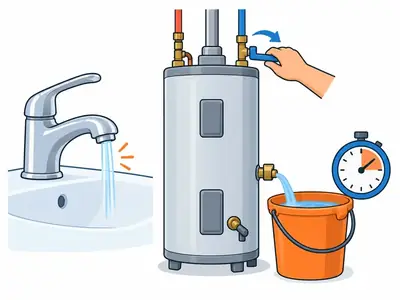
Can I flush a water heater myself? Yes, if it has a working drain valve and a floor drain or hose run nearby. Connect a hose, shut off power or gas, drain, and refill before restoring power. Never power an empty tank.
Is popping noise dangerous? Not usually, but it means sediment is insulating the tank bottom, which shortens its life and raises energy use. Flush it and check again.
Related guides
- Water Heater Not Producing Hot Water
- Water Heater Leaking From the Bottom
- How to Flush a Water Heater to Remove Sediment
- Water Heater Popping Noises: What Causes Them
- Plumbing Leaks: How to Find and Fix the Most Common Ones
- Hot Water Runs Out Fast
More from this topic
- Water Pressure, Pipes and Sump Pumps: What to Check: Water pressure: low pressure, banging pipes, condensation, frozen lines or a sump pump that will not run....
- Clogs and Slow Drains: How to Clear Them and Keep Them Clear: Clogs and slow drains: work out which drain is clogged and why, clear it with a plunger, snake or hot water....
- Water Heater Not Producing Hot Water: Water heater not producing hot water? Check the breaker, pilot light, thermostat and sediment, plus real...
- Bathroom Fixtures, Tile and Grout: Install, Repair, Clean: Bathroom fixtures: fit a vanity, shower seat or grab bar, seal tile and grout, stop a leaking shower door and...
- Low Hot Water Pressure: What to Check: Low hot water pressure but normal cold? Check the aerator, shutoff valves and water heater valves. Safe...
 PlumbingWater Pressure, Pipes and Sump Pumps: What to CheckWater pressure: low pressure, banging pipes, condensation, frozen lines or a sump pump that will not run. Includes the tools you need and when to call a pro.
 PlumbingClogs and Slow Drains: How to Clear Them and Keep Them ClearClogs and slow drains: work out which drain is clogged and why, clear it with a plunger, snake or hot water. Includes the tools you need and when to call a pro.
 PlumbingWater Heater Not Producing Hot WaterWater heater not producing hot water? Check the breaker, pilot light, thermostat and sediment, plus real repair cost ranges and when to call a pro.
 BathroomBathroom Fixtures, Tile and Grout: Install, Repair, CleanBathroom fixtures: fit a vanity, shower seat or grab bar, seal tile and grout, stop a leaking shower door and clear hard water and mold.
 PlumbingLow Hot Water Pressure: What to CheckLow hot water pressure but normal cold? Check the aerator, shutoff valves and water heater valves. Safe steps, tools and when to call a plumber.