
Toilet Problems: How to Diagnose
Part of: Basic plumbing
- Difficulty
- Easy to moderate
- Time
- 10 minutes to diagnose, 15 to 60 minutes per repair
- Tools
- Flashlight, food coloring, bucket, sponge, adjustable pliers, plunger
- Call a pro if
- Sewage backs up into a tub or floor drain, water leaks through the ceiling below, the toilet cracks, or several fixtures drain slowly at the same time.
In this guide
- Water off first
- Wear protection
- Chemical safety
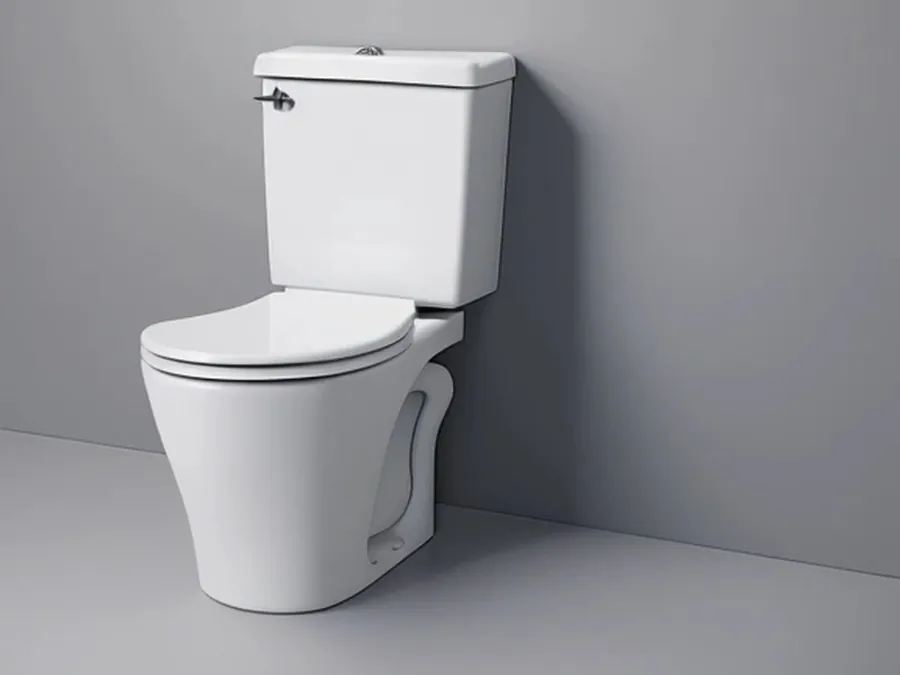
Most toilet problems come from a handful of cheap parts: the flapper, the fill valve, the handle, the supply line and the seal under the bowl. This page is a map. Find the symptom you see, run the quick check, and follow the link to the full repair guide.
Start with the two safety steps
Know where the shutoff valve is. It is the small oval or round handle on the wall or floor behind the toilet. Turn it clockwise until it stops to cut the water to the tank. If it will not turn or it drips when you touch it, read how to replace a toilet shutoff valve before you do anything else. If the whole house needs to be shut off, see how to shut off the water main.
The second step is the dye test. Put a few drops of food coloring in the tank, do not flush, and wait a while. If color shows up in the bowl, water is leaking past the flapper. That one test explains many of the problems below.
The toilet keeps running
A toilet that runs after you flush, or refills every so often on its own, is wasting water. The usual cause is a worn flapper that no longer seals, a fill valve that does not shut off, or a water level set too high. Lift the lid and look: if water spills into the overflow tube, the level is too high.
- Start with how to fix a running toilet for the five common causes.
- If the flapper is the problem, see how to replace a toilet flapper.
- If the fill valve hisses or never stops, see how to replace a toilet fill valve.
- If it keeps running after you flush, check the small tube first: toilet keeps running after flush.
The toilet is clogged or flushes weakly
A full bowl that drains slowly is a clog. A bowl that empties but with little force can be a partial clog, blocked rim holes, or low water in the tank. Use a flange plunger and push and pull steadily rather than hard and fast.
- For a blocked bowl, see how to unclog a toilet.
- To choose the right tool, see plunger vs toilet auger vs drain snake.
- For a flush that lacks power, see toilet flushes weakly.
- If the bowl water sits low, see low water level in a toilet bowl.
If more than one drain in the house is slow, or sewage appears in a tub or floor drain, the clog is probably in the main line. That is a job for a plumber.
The tank fills slowly or not at all
If the tank takes a long time to refill, the supply may be partly shut, the fill valve may be clogged with debris, or the supply line may be kinked. Check that the shutoff valve is fully open first, because it is the easiest fix.
- See toilet fills slowly for causes and fixes.
- A worn or old hose can also be the cause. See how to replace a toilet supply line.
The toilet leaks
Work out where the water appears. Wipe everything dry, put dry paper towels around the base and under the tank, and look again after a flush.
- Water around the base can mean a failed seal. See toilet leaking at the base and, if the seal is the cause, how to replace a toilet wax ring.
- Drips from the tank bolts are a different repair: toilet tank bolts leak.
- Water dripping from the hose or the valve points to the supply side, covered in the supply line and shutoff valve guides above.
- Beads of water on the outside of the tank are usually condensation, not a leak. See toilet tank sweating.
A leak at the base that has gone on for a while can soften the floor around it. If the floor feels soft or spongy, stop using the toilet and call a plumber.
The toilet moves or the seat is loose
A toilet that rocks has a loose base or an uneven floor, and a rocking toilet can break its seal and start to leak.
- See toilet wobbles on the floor and how to fix a loose toilet seat or wobbly toilet.
- For a worn seat, see how to replace a toilet seat.
- A handle that sticks or feels loose is a simple swap: how to replace a toilet flush handle.
When to stop and call a plumber
Call a pro when sewage backs up, when more than one fixture is slow, when you smell sewage that does not go away, when the porcelain is cracked, or when a repair does not stop the problem after you have replaced the likely parts. Water that has soaked the floor or the ceiling below also needs a professional look.
Keep problems from coming back
Do not flush wipes, paper towels or other items that are not toilet paper. Look inside the tank once or twice a year for worn parts. If you ever want to find out where else water might be escaping in the house, see how to find a water leak in your house.
FAQ
What is the most common cause of a running toilet?
A worn or misaligned flapper is the most common cause. The dye test shows quickly whether it is leaking.
Is it safe to use a chemical cleaner in a clogged toilet?
We recommend a plunger or auger first. Cleaners can splash, and mixing different products can release harmful fumes. Follow the label on any product and never mix them.
Do I need to turn off the water to repair a toilet?
Yes, for most repairs inside the tank or on the supply line. Close the shutoff valve behind the toilet and flush once to empty the tank.
How do I know if the problem is the toilet or the main drain line?
If only the toilet is affected, the clog is probably in the toilet or its trap. If a tub, shower or other drain is slow too, or the bowl gurgles when another fixture runs, the blockage is likely farther down the line and needs a plumber.
Related guides
- How to Replace a Toilet Flapper in 15 Minutes: Learn how to replace a toilet flapper: shut off the water, match the new flapper to the old one, attach it...
- How to Fix a Running Toilet: 5 Easy Repairs: Learn how to fix a running toilet in under an hour. Find the worn flapper, bad fill valve or high water level...
- How to Fix a Clogged Garbage Disposal: Reset and Unjam: Learn how to fix a clogged garbage disposal: turn it off, free a jam with a hex key, press the reset button...
- Toilet Won't Flush Properly: What to Check: When a toilet won't flush properly, the cause is the handle, the flapper, the rim jets, the water level or a...
- How to Fix a Toilet That Keeps Clogging: Find the Real Cause: How to fix a toilet that keeps clogging: rule out the flush, the paper, the trap and the main line, in the...
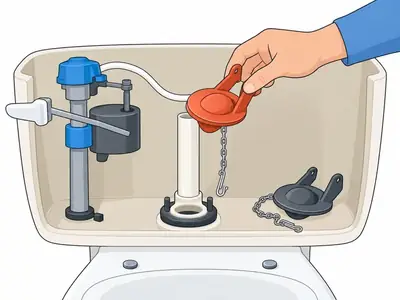 PlumbingHow to Replace a Toilet Flapper in 15 MinutesLearn how to replace a toilet flapper: shut off the water, match the new flapper to the old one, attach it and test for leaks in 15 minutes.
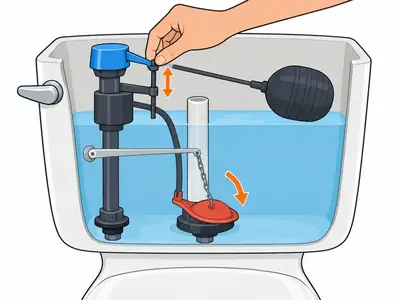 PlumbingHow to Fix a Running Toilet: 5 Easy RepairsLearn how to fix a running toilet in under an hour. Find the worn flapper, bad fill valve or high water level and repair it yourself.
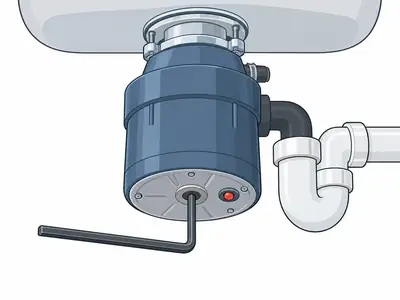 PlumbingHow to Fix a Clogged Garbage Disposal: Reset and UnjamLearn how to fix a clogged garbage disposal: turn it off, free a jam with a hex key, press the reset button and clear a slow drain.
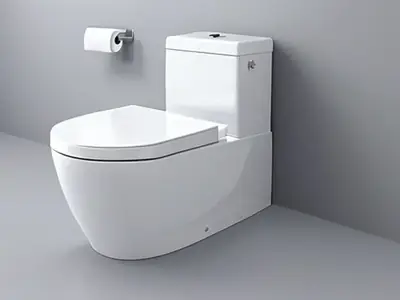 PlumbingToilet Won't Flush Properly: What to CheckWhen a toilet won't flush properly, the cause is the handle, the flapper, the rim jets, the water level or a partial clog. Check them in this order.
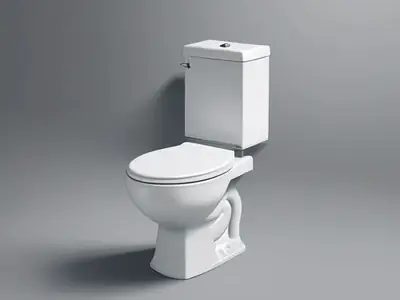 PlumbingHow to Fix a Toilet That Keeps Clogging: Find the Real CauseHow to fix a toilet that keeps clogging: rule out the flush, the paper, the trap and the main line, in the order that ends repeat clogs.