
How to Unclog a Toilet: Plunger, Hot Water and Auger
Part of: Basic plumbing
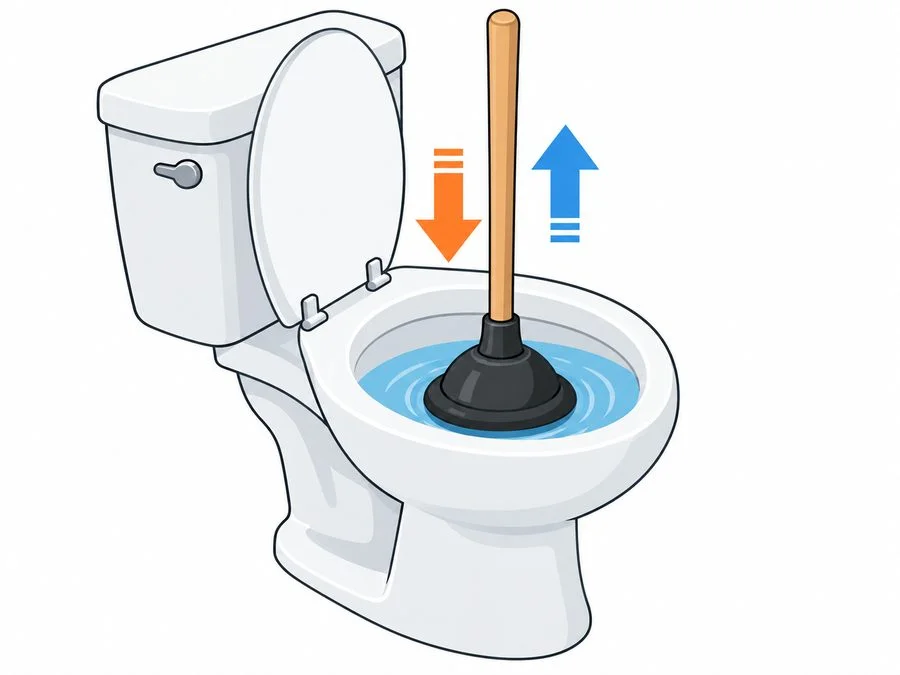
- Difficulty
- Easy
- Time
- 10 to 30 minutes
- Tools
- Flange plunger, rubber gloves, bucket, old towels, toilet auger (if needed)
- Call a pro if
- Several drains back up, the clog returns within days, or an auger does not clear it.
In this guide
- Wear protection
- Chemical safety
A toilet that will not drain is one of the easiest plumbing problems to fix yourself. Most clogs sit just past the bowl, and a few minutes of the right method clears them. This guide shows how to unclog a toilet with tools you can buy cheaply, in the order that works best.
This guide is part of our wider guide to clogs and slow drains.
Before you start
Do not flush again if the water is rising. Lift the tank lid and push the flapper down, or turn the water shutoff valve behind the toilet clockwise, so the bowl cannot overflow. Put old towels or newspaper on the floor. Wear rubber gloves.
Method 1: Use the right plunger
The best tool is a flange plunger, which has a soft rubber flap that folds out from the cup. It fits the toilet drain better than the flat sink plunger.
- Make sure there is enough water to cover the plunger cup. Add water from a bucket if the bowl is low.
- Insert the plunger at a slight angle so the flap enters the drain, then press down to form a seal.
- Start with one soft push to clear the trapped air, then pump with force 10 to 15 times without lifting the cup.
- Pull up sharply on the last stroke. The suction often breaks the clog loose.
- If the water drains, wait a minute, then flush once to test.
Repeat up to three or four rounds before moving to another method.
Method 2: Hot water and dish soap
If the plunger does not work, squirt a generous amount of dish soap into the bowl. Let it sit for 10 to 15 minutes so it can coat the clog. Heat a pot of water until it is hot but not boiling, and pour it slowly into the bowl from waist height. Boiling water can crack the porcelain, so do not use it. Wait a few minutes and plunge again.
Method 3: Use a toilet auger
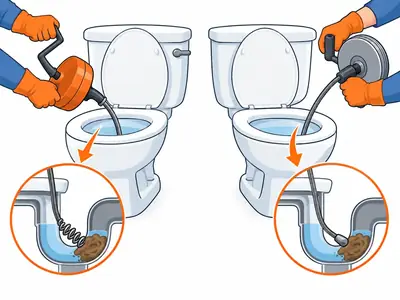
A toilet auger, also called a closet auger, is a short flexible cable inside a tube with a bent end that protects the porcelain. It costs about the same as a few takeout meals and is worth owning.
- Pull the cable back into the tube and place the curved end in the drain.
- Crank the handle clockwise while pushing gently. You will feel it catch on the clog.
- Keep turning to break the clog up or hook it, then pull it back out.
- Flush with a bucket of water to test the drain before you use the toilet normally.
Wipe the auger with a disinfecting cleaner when you are done.
What to avoid
- Do not use chemical drain cleaners in a toilet. They can damage the pipes and are dangerous if the bowl splashes back.
- Do not keep flushing hoping it will clear.
- Do not use a wire coat hanger, which can scratch the porcelain.
Why toilets clog
Most clogs are caused by too much toilet paper, or by items that are not flushable. Wipes labeled flushable often are not, so put them in the trash. Cotton swabs, dental floss, paper towels and feminine products should never go down the toilet. If one toilet clogs often, check whether it is an older low-flow model, which can struggle with a lot of paper.
When to call a plumber
Call a plumber if you have tried the plunger and auger without success, if other drains are slow or gurgling too, or if water backs up in a tub or floor drain when you flush. Those signs point to a blockage in the main drain line, which needs professional equipment. Also call someone if you suspect a toy or other object is stuck in the toilet.
Common mistakes
- Using a flat plunger instead of a flange plunger.
- Pumping without a good seal.
- Using too little water in the bowl.
- Flushing again before the water has gone down.
- Pouring boiling water into the porcelain.
Once the toilet is draining, wash your hands well, clean the floor and the tools with a disinfectant, and keep a plunger in the bathroom so you are ready next time.
More help
Not sure this is the right repair? Our toilet problems guide lists each symptom and the guide that fixes it.
Related guides
- How to Unclog a Bathtub Drain With a Hair Clog
- How to Unclog a Drain Without Harsh Chemicals
- How to Unclog a Toilet Without a Plunger: 5 Methods That Work
- How to Use a Drain Auger: Clear Clogs a Plunger Can't
- How to Unclog a Kitchen Sink: Clear It in Minutes
- How to Unclog a Bathroom Sink: Five Ways That Work
FAQ
Which plunger works best for a toilet?
A flange plunger, which has a rubber flap that fits the drain. A flat cup plunger works better on sinks.
Is it okay to use chemical drain cleaner in a toilet?
We do not recommend it. It can damage the toilet and is dangerous if it splashes. Use a plunger or an auger.
How long should I wait before I try again?
If the water level is dropping slowly, give it a few minutes. If it does not move, use the plunger.
More from this topic
- Water Heater Problems: No Hot Water, Leaks, Noise: Water heater problems: no hot water, a leaking tank, popping noises or water that runs cold too fast....
- Water Heater Not Producing Hot Water: Water heater not producing hot water? Check the breaker, pilot light, thermostat and sediment, plus real...
- Toilet Problems: How to Diagnose: Common toilet problems explained by symptom: running, clogged, weak flush, slow fill, leaks and wobbling,...
- Plunger vs Toilet Auger vs Drain Snake: Which to Use: Toilet auger vs drain snake vs plunger: what each tool is for, with a Korky plunger, Ridgid K-3 auger and...
- How to Fix a Running Toilet: 5 Easy Repairs: Learn how to fix a running toilet in under an hour. Find the worn flapper, bad fill valve or high water level...
 PlumbingWater Heater Problems: No Hot Water, Leaks, NoiseWater heater problems: no hot water, a leaking tank, popping noises or water that runs cold too fast. Includes the tools you need and when to call a pro.
 PlumbingWater Heater Not Producing Hot WaterWater heater not producing hot water? Check the breaker, pilot light, thermostat and sediment, plus real repair cost ranges and when to call a pro.
 PlumbingToilet Problems: How to DiagnoseCommon toilet problems explained by symptom: running, clogged, weak flush, slow fill, leaks and wobbling, with links to the full fix for each one.
 Tools and BasicsPlunger vs Toilet Auger vs Drain Snake: Which to UseToilet auger vs drain snake vs plunger: what each tool is for, with a Korky plunger, Ridgid K-3 auger and Cobra snake compared by use as of Nov 2026.
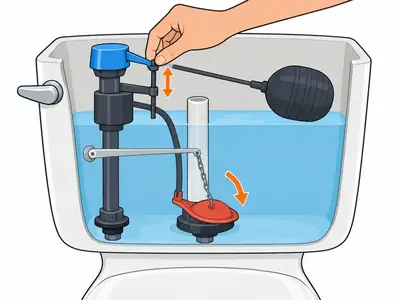 PlumbingHow to Fix a Running Toilet: 5 Easy RepairsLearn how to fix a running toilet in under an hour. Find the worn flapper, bad fill valve or high water level and repair it yourself.