
How to Unclog a Toilet Without a Plunger
Part of: Basic plumbing
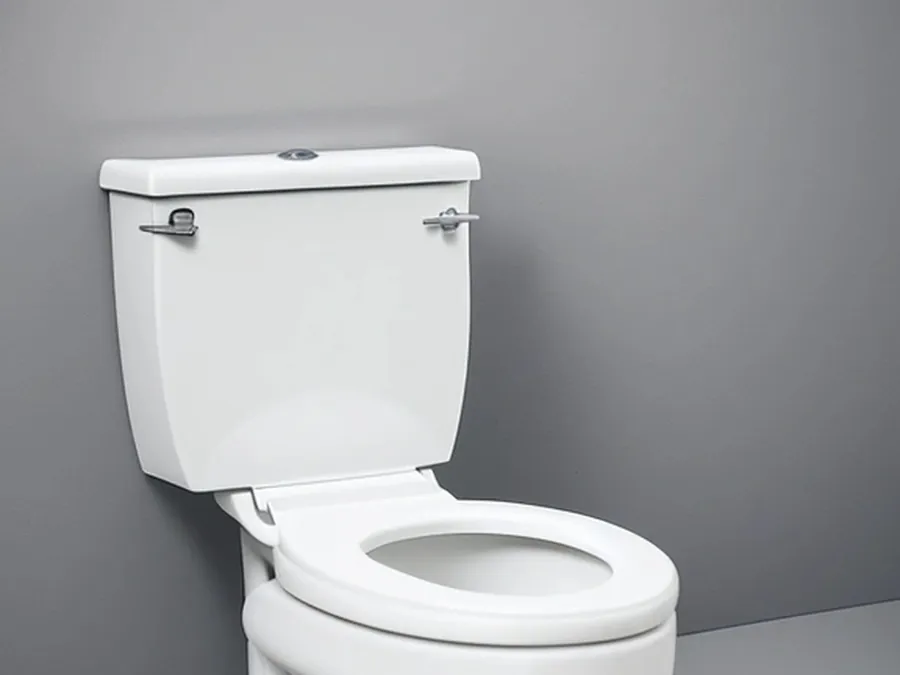
- Difficulty
- Easy
- Time
- 15 to 45 minutes
- Tools
- Dish soap, a bucket, hot tap water, gloves, old towels
- Call a pro if
- Nothing moves the clog, water backs up elsewhere, or the toilet clogs repeatedly, since that points to a main-line problem a plunger would never fix either.
In this guide
- Water off first
- Chemical safety
No plunger in the house is a bad time to discover a clog, but the toilet trap yields to more than one kind of persuasion. Here is how to unclog a toilet without a plunger, with five methods ordered from mildest to strongest; work them in order and most ordinary clogs clear before the last one.
1. Stop the overflow risk first
Thirty seconds of prevention.
1. Do not flush again; a second flush is how floors get wet.
2. If the level is rising, lift the tank lid and press the flapper down, or close the shutoff valve behind the toilet.
3. Lay towels around the base before any method that adds water.
4. Gloves on from here; everything past this point touches bowl water.
2. The dish soap and hot water method
The first thing to try, because it works surprisingly often.
1. Squeeze a generous pour of dish soap, about half a cup, into the bowl and let it sink for ten minutes.
2. Heat a bucket of water to hot-tap temperature, never boiling.
3. Pour from waist height in one steady stream; the weight and heat push while the soap lubricates.
4. Wait ten more minutes, then try a flush; repeat once before moving on.
3. The toilet brush method
The plunger you already own.
1. Angle the brush into the drain opening at the bowl's bottom.
2. Pump it up and down with short, firm strokes like a plunger.
3. The brush displaces water the same way a plunger cup does, just with more splashing, so go steady.
4. Flush-test when the water level drops; clean the brush thoroughly afterward or retire it.
4. The wire hanger method
For clogs you can almost reach.
1. Straighten a wire hanger and wrap the end in a rag secured with a rubber band.
2. Feed it gently into the trap and work it against the obstruction with a twisting motion.
3. Pull back rather than push through; hooked-out clogs beat pushed-down ones.
4. Stop if you feel porcelain scrape; a toilet auger is the scratch-free version of this tool.
5. The wet vacuum method
The heavy option for stubborn clogs.
1. A wet-dry vacuum, never a household vacuum, can pull the clog straight out.
2. Empty the bowl of most water, seal the hose into the drain opening with a wet rag, and run it.
3. Check the canister for the retrieved object before dumping.
4. If the clog survives the vacuum, it wants an auger or a plumber.
6. Know what not to try
Some popular advice causes the expensive version of the problem.
1. No chemical drain cleaners: they barely work in toilets and damage the wax seal and pipes.
2. No boiling water: thermal shock cracks vitreous china.
3. No endless flushing: each flush adds water to a blocked path.
4. No coat hanger without a rag wrap: scratched porcelain harbors stains forever.
7. Prevent the repeat performance
Clogs have causes worth fixing.
1. Only toilet paper and what it carries should ever flush; wipes labeled flushable clog anyway.
2. A toilet that clogs weekly with normal use may have a weak flush; toilet won't flush properly diagnoses that side.
3. Keep a real plunger in the house from today; this guide exists because someone did not.
4. Recurring clogs with good habits mean a main-line look; toilet gurgles when the washer drains is the warning sign.
Common mistakes
- Flushing repeatedly "to push it through."
- Using boiling water and cracking the bowl.
- Pouring in chemical cleaner out of desperation.
- Pushing the clog deeper instead of retrieving it.
- Giving up right before the soap-and-water method would have worked.
Related guides
- How to Fix a Toilet That Keeps Clogging: Find the Real Cause
- How to Unclog a Toilet: Plunger, Hot Water and Auger
- How to Unclog a Drain Without Harsh Chemicals
- How to Unclog a Kitchen Sink: Clear It in Minutes
- Plunger vs Toilet Auger vs Drain Snake: Which to Use
- Clogs and Slow Drains: How to Clear Them and Keep Them Clear
- Septic Tank Maintenance: What a Homeowner Can Do
FAQ
How do you unclog a toilet without a plunger?
Pour half a cup of dish soap into the bowl, wait ten minutes, then pour in a bucket of hot tap water from waist height. Most ordinary clogs clear within one or two rounds.
What can I use instead of a plunger for a clogged toilet?
Dish soap and hot water first, then a toilet brush used like a plunger, a rag-wrapped wire hanger for reachable clogs, or a wet-dry vacuum for stubborn ones. Skip chemicals and boiling water entirely.
Will hot water unclog a toilet?
Hot tap water, yes, especially with dish soap to lubricate. Boiling water, no: it can crack the porcelain and turn a clog into a replacement.
When should I call a plumber for a clogged toilet?
When none of the methods move it, when other drains back up at the same time, or when the toilet clogs repeatedly despite normal use. Those point to the main line, not the toilet.
More from this topic
- How to Unclog a Shower Drain: Hair Clogs Gone in 30 Minutes: How to unclog a shower drain: pull the cover, extract the hair, flush the line and auger the stubborn ones,...
- How to Unclog a Toilet: Plunger, Hot Water and Auger: Learn how to unclog a toilet with a flange plunger, hot water and soap, or a toilet auger, plus what to avoid...
- Kitchen Sink Clogged Double Basin: How to Fix It: Kitchen sink clogged double basin? Plunge with the other side blocked, clean the trap and check the disposal....
- How to Unclog a Bathroom Sink: Five Ways That Work: How to unclog a bathroom sink: clear the stopper, plunge, clean the trap and auger the line, in the order...
- How to Use a Drain Auger: Clear Clogs a Plunger Can't: How to use a drain auger: feed, crank and retrieve the cable through sinks, tubs and toilets without...
 PlumbingHow to Unclog a Shower Drain: Hair Clogs Gone in 30 MinutesHow to unclog a shower drain: pull the cover, extract the hair, flush the line and auger the stubborn ones, all without chemicals.
 PlumbingHow to Unclog a Toilet: Plunger, Hot Water and AugerLearn how to unclog a toilet with a flange plunger, hot water and soap, or a toilet auger, plus what to avoid and when to call a plumber.
 PlumbingKitchen Sink Clogged Double Basin: How to Fix ItKitchen sink clogged double basin? Plunge with the other side blocked, clean the trap and check the disposal. Steps, tools and when to call a plumber.
 PlumbingHow to Unclog a Bathroom Sink: Five Ways That WorkHow to unclog a bathroom sink: clear the stopper, plunge, clean the trap and auger the line, in the order that clears most clogs fastest.
 PlumbingHow to Use a Drain Auger: Clear Clogs a Plunger Can'tHow to use a drain auger: feed, crank and retrieve the cable through sinks, tubs and toilets without scratching fixtures or pushing clogs deeper.