
Toilet Gurgles When the Washer Drains: What It Means
Part of: Appliances
- Difficulty
- Easy to moderate
- Time
- 15 to 30 minutes of checks
- Tools
- A flashlight, a ladder if you check the roof vent, a garden hose
- Call a pro if
- Multiple fixtures gurgle or drain slowly, you smell sewage indoors, or water backs up into a tub or shower, since that points to a main line blockage.
In this guide
- Ladder safety
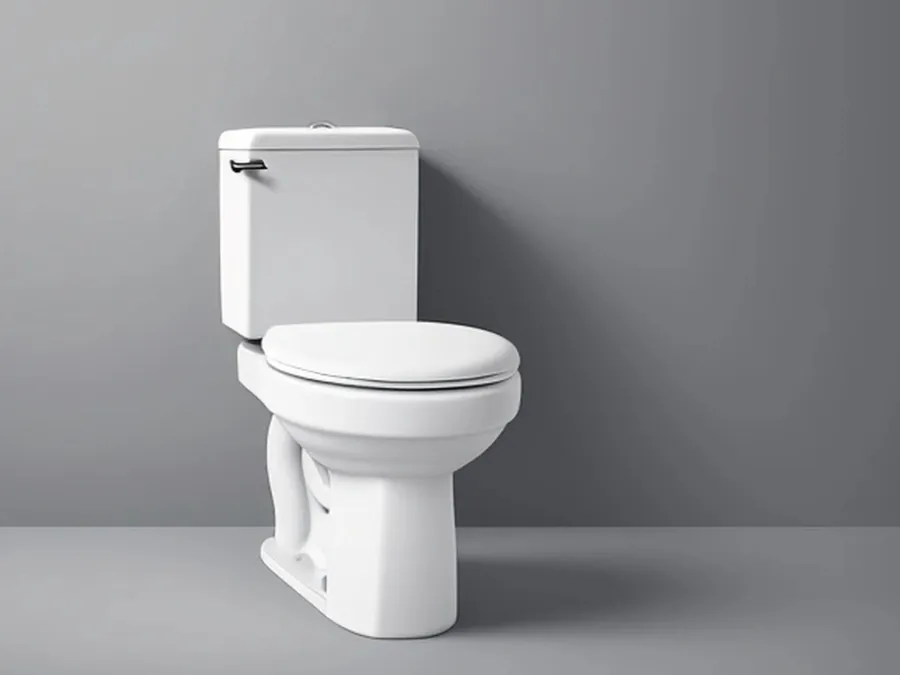
The washer dumps a large slug of water into the drain line, and the pipes need air to swallow it. When a toilet gurgles when the washer drains, that air is being pulled through the toilet's trap instead of through the vent system. The cause is almost always one of two things: a blocked vent or a partial drain blockage.
1. Understand what the gurgle means
The sound has a simple mechanism.
1. Drains carry water down; vents carry air in so the water can move freely.
2. When air cannot enter through the vent, draining water sucks air through the nearest trap, and you hear it as a gurgle.
3. The toilet is usually the loudest victim because its trap holds a large, open surface of water.
4. A one-off gurgle after an unusual load can be harmless; a repeating gurgle is a developing problem.
2. Map which fixtures are involved
The pattern tells you where the blockage lives.
1. Run the washer on a drain cycle and listen at the toilet, tub and sinks.
2. Gurgling limited to one toilet near the laundry points to a local vent or branch issue.
3. Gurgling at several fixtures, especially on the lowest floor, points to the main line.
4. Slow draining anywhere alongside the gurgle strengthens the blockage theory.
3. Check for other symptoms before climbing anything
1. Flush the toilet and watch the bowl: lazy swirling or a rising level means restriction downstream.
2. Run the bathroom sink and tub; note any gurgle or slowness.
3. Smell around floor drains and the laundry standpipe for sewer odor, which signals a dry trap or a vent problem.
4. If water ever backs up into a tub or shower when the washer drains, stop here and call a plumber; that is a main line symptom.
4. Check the roof vent for blockage
A blocked vent stack is the classic cause.
1. Find the vent pipe on the roof above the bathroom or laundry, usually a two to three inch pipe.
2. From a ladder or an upstairs window, shine a flashlight down it and look for leaves, a bird nest or debris.
3. In cold climates, look for frost closure at the cap in winter.
4. Clear what you can reach safely, or run a garden hose down the vent; a rush of water that drains freely is a good sign, standing water is not.
5. Clear the branch line if the vent is clear
If air can enter, the water path is the restriction.
1. Lint, soap and scale build up where the washer standpipe meets the drain.
2. A hand auger through the standpipe or the toilet's branch can clear a soft partial blockage.
3. Avoid chemical drain cleaners; they rarely reach the real restriction and they damage older pipes.
6. Watch a full cycle after each fix
1. Run a full washer drain and listen at the toilet.
2. Silence means the air path is restored.
3. A quieter but persistent gurgle means the restriction is partly cleared; the rest is further down the line.
4. Keep the test honest: the same load size and the same fixtures open as before.
7. Know when it is a main line problem
1. Gurgling plus slow drains in the lowest bathroom is a main line warning.
2. Gurgling that started after heavy rain can mean groundwater entering an older main.
3. Homes with mature trees near the sewer run get root intrusion, which starts as exactly this symptom.
4. A plumber can camera the line and give you a real answer in one visit.
Common mistakes
- Ignoring the gurgle until the main line blocks fully and backs up.
- Pouring chemical drain cleaner into the toilet or standpipe.
- Snaking the toilet bowl with a powered auger and cracking it.
- Climbing onto a wet or steep roof to check the vent.
- Clearing the vent but never testing with a real washer load.
FAQ
Is a gurgling toilet an emergency?
Not by itself, but it is an early warning of a vent blockage or a developing drain restriction. Treat it as a this-week problem, and as an urgent one if any fixture backs up or you smell sewage.
Why does only my toilet gurgle and not the sinks?
The toilet trap holds the largest open water surface, so air pulled through it makes the most noise. Sinks gurgle only when the restriction is worse or closer to them.
Can a blocked vent clear itself?
Occasionally, after heavy rain flushes debris through. Usually it needs clearing, and while it is blocked the gurgling will keep coming back under big drain loads like the washer.
Will a plumber need to dig up my yard?
Usually not for this symptom. Most fixes are a vent clearing or an auger through a cleanout. A camera inspection settles whether anything bigger is going on before anyone talks about digging.
Related guides
- How to Clear a Plumbing Vent: How to clear a plumbing vent: recognize the symptoms, work safely from the roof and flush the stack...
- Shower Drain Slow But Not Clogged: Shower drain slow but not clogged? Learn how a blocked vent or sagging trap causes it and how to tell which...
- How to Set Up a Washing Machine Standpipe Drain: Washer drain overflowing or siphoning? Learn how to set up a washing machine standpipe drain with the right...
- How to Fix a Gurgling Drain: Find the Air Problem: How to fix a gurgling drain: trace the gurgle to a clog or a vent problem and clear the one you...
- How to Quiet a Toilet Fill Valve: Learn how to quiet a toilet fill valve by adjusting the flow, clearing grit and checking pressure, and when...
 Drains and SewersHow to Clear a Plumbing VentHow to clear a plumbing vent: recognize the symptoms, work safely from the roof and flush the stack clear.
 PlumbingShower Drain Slow But Not CloggedShower drain slow but not clogged? Learn how a blocked vent or sagging trap causes it and how to tell which one you have before calling a plumber.
 PlumbingHow to Set Up a Washing Machine Standpipe DrainWasher drain overflowing or siphoning? Learn how to set up a washing machine standpipe drain with the right height, trap and hose connection.
 DrainsHow to Fix a Gurgling Drain: Find the Air ProblemHow to fix a gurgling drain: trace the gurgle to a clog or a vent problem and clear the one you have.
 PlumbingHow to Quiet a Toilet Fill ValveLearn how to quiet a toilet fill valve by adjusting the flow, clearing grit and checking pressure, and when the valve just needs replacing.