
How to Quiet a Toilet Fill Valve
Part of: Basic plumbing
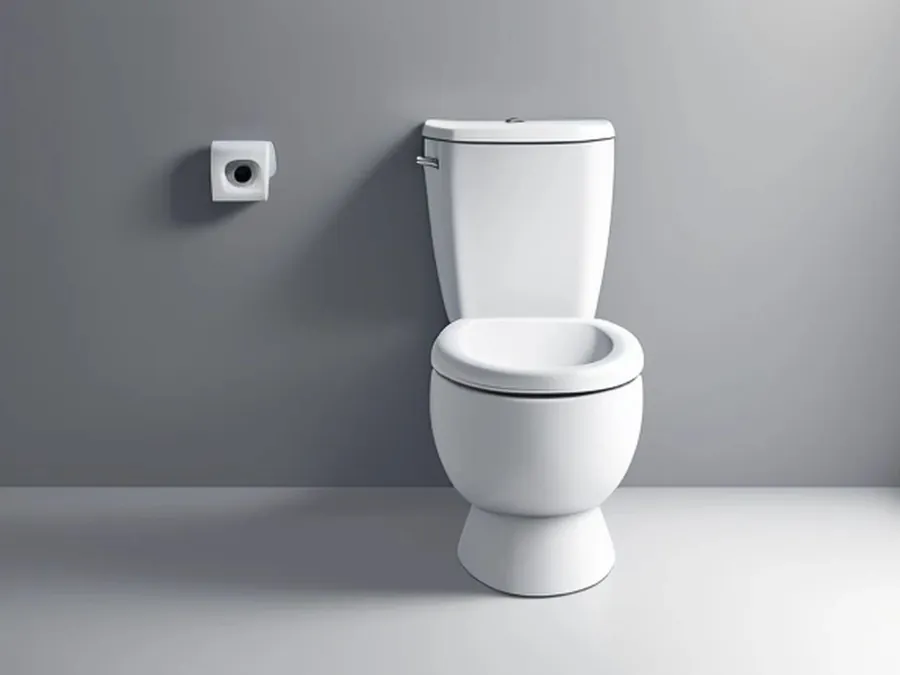
- Difficulty
- Easy
- Time
- 20 to 60 minutes
- Tools
- Screwdriver, adjustable wrench, sponge, small bowl, white vinegar, replacement fill valve if needed, towel, gloves
- Call a pro if
- The valve body is cracked, the shutoff will not close, or the noise is a hammer in the pipes rather than the tank.
In this guide
- Listen to when it happens
- Shut the water off
- Open the tank and look
- Turn the flow down
- Set the float height
- Clean grit out of the valve
- Soak the small parts
- Check the supply line
- Rule out water hammer
- Test the pressure
- Replace a valve that will not quiet
- Check the flapper while you are in there
- Set a habit of listening
- Common mistakes
- FAQ
- When to call a pro
- Water off first
A shrieking or hissing fill is usually one of three things: too much flow, grit in the valve, or pressure that is too high for the valve to close quietly. All three are diagnosable in a few minutes with the tank lid off. How to quiet a toilet fill valve starts with when the noise happens, since a hiss during the fill is flow and a shriek at the end is the valve closing.
1. Listen to when it happens
1. A hiss during the fill is flow.
2. A shriek at the end is the valve closing.
2. Shut the water off
1. The valve behind the toilet turns clockwise.
2. Flush to empty the tank.
3. Open the tank and look
1. Note the water level against the marked line.
2. A level set too high makes noise at shutoff.
4. Turn the flow down
1. Most fill valves have a screw or a collar.
2. A quarter turn reduces the rush.
5. Set the float height
1. Float too high means a long noisy fill.
2. Adjust so the water stops at the line.
6. Clean grit out of the valve
1. A grain of sand makes a valve shriek.
2. Take the cap off and rinse it.
7. Soak the small parts
1. Vinegar dissolves the mineral film.
2. Dry everything before refitting.
8. Check the supply line
1. A partly closed stop valve causes a whistle.
2. Open it fully and retest.
9. Rule out water hammer
1. A bang when the fill ends is pressure, not the valve.
2. A hammer arrestor or a pressure check.
10. Test the pressure
1. High pressure makes every valve noisy.
2. A gauge on a hose bib tells you.
11. Replace a valve that will not quiet
1. A fill valve is inexpensive and fits in minutes.
2. Match the height to the tank.
12. Check the flapper while you are in there
1. A leaking flapper runs the valve all night.
2. That noise is a leak, not a valve fault.
13. Set a habit of listening
1. A quiet toilet is a healthy one.
2. Any new hiss is worth a look.
Common mistakes
- Turning the flow screw too far and getting a slow fill.
- Overtightening plastic threads.
- Ignoring pressure as the cause.
- Replacing the valve when the flapper is leaking.
- Working with the water still on.
FAQ
Why is my toilet so loud when it fills?
Usually too much flow or grit in the valve. Both are adjustable.
Can I just turn the flow down?
Yes, that is the first fix on most valves.
How long should a fill take?
About 30 to 60 seconds. Much faster is noisy, much slower is a restriction.
Do I need a plumber?
Not for a valve adjustment or a swap. Yes if the shutoff will not close.
Related guides
- How to Replace a Toilet Fill Valve: How to replace a toilet fill valve in about 45 minutes. Step-by-step guide with tools, how to set the water...
- How to Replace a Toilet Flapper in 15 Minutes: Learn how to replace a toilet flapper: shut off the water, match the new flapper to the old one, attach it...
- How to Unclog a Toilet: Plunger, Hot Water and Auger: Learn how to unclog a toilet with a flange plunger, hot water and soap, or a toilet auger, plus what to avoid...
- Toilet Fills Slowly: Causes and Simple Fixes: Toilet fills slowly after a flush? Check the fill valve, supply valve, tank refill and clogs. Easy steps,...
- How to Adjust a Toilet Float: Set the Water Level Right: How to adjust a toilet float to fix running, weak flushes and overfilling: the screw and clip adjustments for...
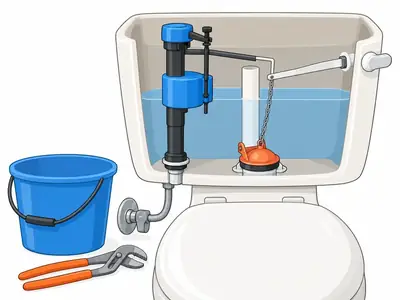 BathroomHow to Replace a Toilet Fill ValveHow to replace a toilet fill valve in about 45 minutes. Step-by-step guide with tools, how to set the water level, and when to call a plumber.
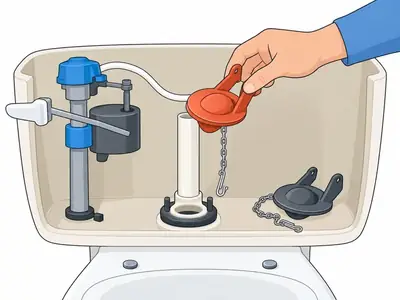 PlumbingHow to Replace a Toilet Flapper in 15 MinutesLearn how to replace a toilet flapper: shut off the water, match the new flapper to the old one, attach it and test for leaks in 15 minutes.
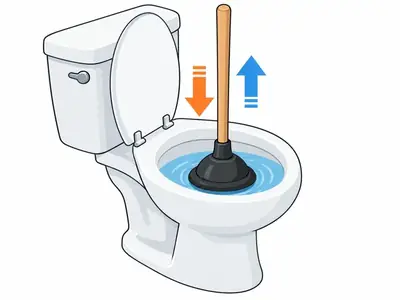 PlumbingHow to Unclog a Toilet: Plunger, Hot Water and AugerLearn how to unclog a toilet with a flange plunger, hot water and soap, or a toilet auger, plus what to avoid and when to call a plumber.
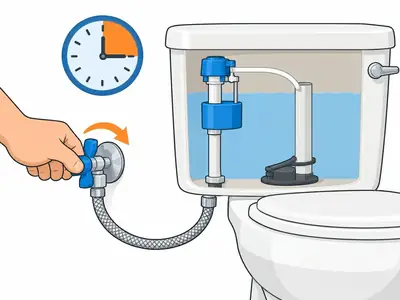 BathroomToilet Fills Slowly: Causes and Simple FixesToilet fills slowly after a flush? Check the fill valve, supply valve, tank refill and clogs. Easy steps, tools and when to call a plumber.
 PlumbingHow to Adjust a Toilet Float: Set the Water Level RightHow to adjust a toilet float to fix running, weak flushes and overfilling: the screw and clip adjustments for float-cup and ball floats.