
How to Set Up a Washing Machine Standpipe Drain
Part of: Appliances
- Difficulty
- Easy to check, moderate to rebuild
- Time
- 15 minutes to check, 1 to 3 hours to rebuild
- Tools
- Tape measure, hose clamp, screwdriver, flashlight, bucket
- Call a pro if
- the trap or pipe must be changed inside the wall, or the drain backs up even when the washer is off
In this guide
- Power off first
- Water off first
A correct washing machine standpipe stops overflows and sewer smells, and the height and trap matter. A washer drains through a hose into a standpipe, a vertical pipe with a trap below it. If the standpipe is too short, too narrow or has no trap, the washer can overflow, siphon or let sewer smells into the room. Most problems come from a poor setup rather than a broken machine. This guide shows how a good standpipe is built and how to check and fix yours.
How a standpipe works
The drain hose from the washer goes into the top of the standpipe. Water pours into the pipe and goes through a trap, which holds water to block sewer gas. A vent lets air in so the drain flows freely. The hose should not be sealed tight inside the standpipe, so air can enter and prevent a siphon.
Check the height
The top of the standpipe should sit higher than the water level in the washer. Many washer manuals ask for the top to be about 30 inches or more above the floor, and plumbing codes set a maximum height too. Follow your washer manual and local rules. A pipe that is too low can let water siphon out of the washer. A pipe that is too high can strain the pump.
Check the size
A standard standpipe is two inches wide. A smaller pipe can overflow in a fast drain. The trap below should also be two inches. See your local code for details. A pipe that is too narrow may need a plumber.
Step by step: connect the hose
1. Unplug the washer and pull it out a little.
2. Check the drain hose. It should have a smooth curve at the top, called a gooseneck.
3. Feed the hose end a few inches down into the standpipe, and stop there. Pushing it deep can cause a siphon.
4. Secure the hose with a clamp or a hose holder, so it does not slip out.
5. Do not seal the standpipe around the hose. Leave a gap for air.
6. Check for kinks. Keep the hose from bending sharply behind the machine.
7. Run a drain cycle and watch the standpipe.
Signs that point to each cause
Water spilling out of the top of the standpipe points to a clog or a pipe that is too narrow. Water siphoning out of the washer points to a pipe that is too low or a hose pushed too deep. A gurgle or sewer smell points to a dry or missing trap, or a venting problem. Drain water that drains slowly may have a partial clog. See Washing machine not draining: what to check and Washing machine smells: how to clean it.
Clear a clog
Run hot water into the standpipe, then use a drain snake or a plastic drain tool. Avoid chemical cleaners. Lint is a common cause, so use a lint filter or a lint catching net on the hose end. Wash a load of towels with plenty of water to flush the line.
Prevention
Clean the lint filter on the hose each month. Keep the hose in good shape and replace it if it cracks. Check the hose clamp. Run hot water through the standpipe every few months. Keep soap use at the right level, since too much soap makes foam.
Move the washer carefully
When you push the washer back, check that the hose is not crushed and that it stays inside the standpipe. Leave a few inches behind the washer. A hose pulled out of the pipe during a spin cycle can flood the room, so check the position after every move.
Local rules and venting
Plumbing codes set the standpipe height, the trap size and the vent. These rules can differ from place to place. If you are building a new laundry area, ask your building department or a plumber. A standpipe that was fine for an old machine may need changes for a modern washer that drains fast.
Add a lint trap
A simple mesh sock or filter on the end of the drain hose catches lint before it reaches the pipe. Replace it when it fills. It keeps the trap clear and costs little.
Related guides
- Washing Machine Inlet Screens: How to Clean Them for Better Water Flow
- Washing Machine Door Will Not Open: Why It Locks and How to Release It
- Washing Machine Shakes or Walks Across the Floor: How to Fix It
- How to Install a Washing Machine: Hook It Up Right
FAQ
How far should the hose go in? About 4 to 6 inches.
Why does my washer drain smell? The trap may be dry, or there is a vent problem.
Can I use a smaller pipe? Not if it causes overflow. Use the size your code calls for.
Do I need a vent? Yes. Air must reach the drain.
More from this topic
- How to Unclog a Washing Machine Drain Hose: Learn how to unclog a washing machine drain hose: pull the washer out, disconnect the hose, clear lint and...
- How to Drain a Washing Machine Full of Water: How to drain a washing machine that won't empty: bail, drain hose or pump filter methods that get the water...
- Toilet Gurgles When the Washer Drains: What It Means: Toilet gurgles when the washer drains? Air is being pulled through the trap. Learn the vent and blockage...
- Washing Machine Not Filling with Water: What to Check: Washing machine not filling with water or filling slowly? Check the water valves, hoses, inlet screens and...
- How to Replace Washing Machine Hoses to Prevent Leaks: Learn how to replace washing machine hoses, spot signs of wear and connect hot and cold lines correctly to...
 PlumbingHow to Unclog a Washing Machine Drain HoseLearn how to unclog a washing machine drain hose: pull the washer out, disconnect the hose, clear lint and sludge, check the standpipe and reconnect it.
 PlumbingHow to Drain a Washing Machine Full of WaterHow to drain a washing machine that won't empty: bail, drain hose or pump filter methods that get the water out safely.
 PlumbingToilet Gurgles When the Washer Drains: What It MeansToilet gurgles when the washer drains? Air is being pulled through the trap. Learn the vent and blockage checks, from safe DIY to pro.
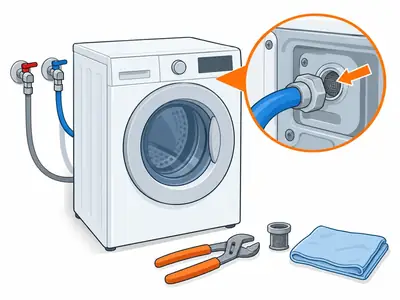 PlumbingWashing Machine Not Filling with Water: What to CheckWashing machine not filling with water or filling slowly? Check the water valves, hoses, inlet screens and lid switch before you call a repair person.
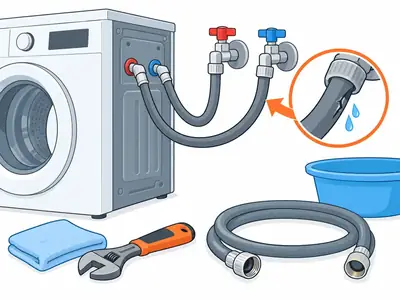 PlumbingHow to Replace Washing Machine Hoses to Prevent LeaksLearn how to replace washing machine hoses, spot signs of wear and connect hot and cold lines correctly to avoid leaks and flood damage in your laundry room.