
Washing Machine Shakes or Walks Across the Floor
Part of: Appliances
- Difficulty
- Easy
- Time
- 15 to 45 minutes
- Tools
- Level, adjustable wrench or pliers, a helper, rubber mat or anti-vibration pads, flashlight
- Call a pro if
- the floor is soft or bouncy, the drum bangs against the case, or you hear grinding
In this guide
- Power off first
- Water off first
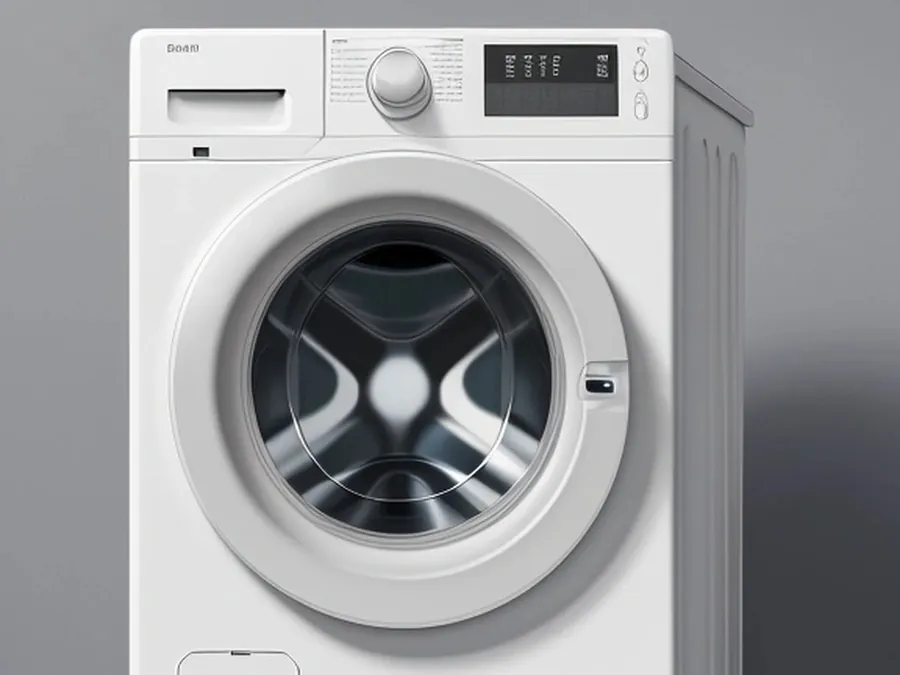
A washing machine shakes when the load is off balance or the feet are not level. A washing machine that shakes, bangs or moves across the floor during the spin cycle is annoying and can damage floors and hoses. In most cases, a washing machine that shakes is simply not level, or has an uneven load. This guide shows how to fix it, step by step.
This guide is part of our wider guide to appliance problems.
Why it happens
- The machine is not level, or one foot is off the floor.
- The load is unbalanced, such as one heavy towel or a single wet blanket.
- The shipping bolts were not removed in a new machine.
- The floor is weak, soft or uneven.
- The shock absorbers or suspension springs are worn.
- The machine is overloaded.
Step by step: level the washer
1. Stop the machine and unplug it if you need to move it.
2. Check the floor. Press on the floor around the washer. If it flexes, the problem may be the floor.
3. Place a level on top of the washer. Check left to right, then front to back.
4. Adjust the feet. Each front foot screws in and out. Use pliers to turn it. Raise or lower until the machine is level.
5. Tighten the lock nut on each foot against the cabinet so the foot cannot turn.
6. Rock the machine. Push on each corner of the top. It should not move. If it rocks, adjust the foot that is not touching the floor.
7. Check the rear feet. Some machines have self-adjusting rear feet. Tilt the machine forward a little and lower it back, so the rear feet settle.
8. Check the hoses. Make sure the water hoses and the drain hose are not pulling the machine.
9. Run a test spin with a small load and see whether the movement has stopped.
Check the load
Balance the load with a mix of large and small items. Avoid washing one heavy item alone. Do not stuff the drum. Pause the cycle and rearrange if the machine starts to bang. If you wash a bulky item, add a few towels so it spreads out.
Check the shipping bolts
New machines, especially front loaders, have bolts at the back that hold the drum still during shipping. They must be removed before use. Look at the back of the machine for large bolts with plastic or rubber spacers. Your manual shows where they are. Remove them all and keep them for moving the machine later.
Check the floor
A washer on a wooden floor can shake more than one on a concrete slab. If you cannot fix the problem with leveling, put the washer on a firm plywood pad screwed to the joists, or add anti-vibration pads under each foot. Move the machine toward a wall support if you can.
Worn parts
If the machine is level and balanced and still shakes, the suspension may be worn. Top loaders have springs or rods that hold the tub, and front loaders have shock absorbers. If you hear banging, see the drum sagging or find the tub hits the sides, call for service. See Washing machine not draining: what to check for other washer problems.
Prevention
Check the level every few months. Do not overload the machine. Use the right cycle for bulky items. Keep the hoses tidy so they do not pull the machine.
Signs that point to each cause
A rhythmic thump means the load is lopsided. A violent shake only at top spin speed often means a loose foot, a bad floor or a worn shock. A metallic clang can mean the shipping bolts are still in. A grinding or rumbling sound can mean worn drum bearings, which need service. If the machine is new and shakes badly, check the shipping bolts first, before you change anything else.
Extra steps for a stubborn shake
Check that the machine is not touching a wall, a cabinet or the dryer next to it. Leave about an inch of space on each side. Check that the drain hose is not stretched and that the water hoses have a little slack. Make sure the cabinet panels and the top are screwed down tight. Try washing a normal sized load of mixed clothes to see whether the shaking is the machine or the load. Mark the level with a pencil dot on the bubble so you can check it later.
Related guides
- How to Level a Washing Machine So It Stops Shaking
- Washing Machine Inlet Screens: How to Clean Them for Better Water Flow
- How to Set Up a Washing Machine Standpipe Drain
- Washing Machine Not Filling with Water: What to Check
- Washing Machine Won't Spin: What to Check
- How to Clean a Washing Machine Drain Pump Filter
FAQ
Why does my washer shake only on spin?
The spin speed is high, so an unbalanced load or a loose foot shows up there.
Do anti-vibration pads help?
They can reduce noise and movement, but leveling comes first.
Can an unlevel washer cause damage?
Yes, it can wear the bearings and the suspension, and it can damage the floor.
How tight should the lock nuts be?
Tight enough so the feet cannot turn on their own.
More from this topic
- How to Level a Washing Machine So It Stops Shaking: Learn how to level a washing machine: check the floor, adjust the feet with a wrench, lock them in place and...
- Washing Machine Shaking During Spin Cycle: Washing machine shaking during spin cycle? Check for shipping bolts, leveling and worn shock absorbers, and...
- Washing Machine Door Will Not Open: Washing machine door will not open after a cycle? Learn why it locks, how to wait out the lock, drain the...
- Washer Leaks From the Bottom: How to Find the Source: Washer leaks from the bottom? Check the hoses, the drain pump, the door seal and the tub. Find where the...
- How to Clean a Washing Machine Detergent Drawer: Learn how to clean a washing machine detergent drawer: remove it, soak the parts, scrub the mold and residue...
 KitchenHow to Level a Washing Machine So It Stops ShakingLearn how to level a washing machine: check the floor, adjust the feet with a wrench, lock them in place and test the spin cycle to stop shaking and walking.
 KitchenWashing Machine Shaking During Spin CycleWashing machine shaking during spin cycle? Check for shipping bolts, leveling and worn shock absorbers, and fix the cheap causes first.
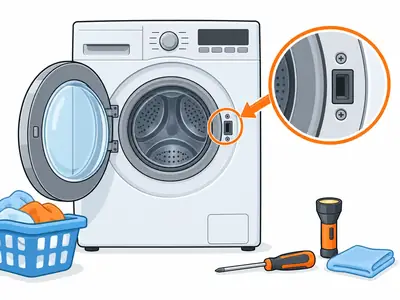 KitchenWashing Machine Door Will Not OpenWashing machine door will not open after a cycle? Learn why it locks, how to wait out the lock, drain the water and use the emergency release safely.
 KitchenWasher Leaks From the Bottom: How to Find the SourceWasher leaks from the bottom? Check the hoses, the drain pump, the door seal and the tub. Find where the water comes from and fix it with simple steps.
 KitchenHow to Clean a Washing Machine Detergent DrawerLearn how to clean a washing machine detergent drawer: remove it, soak the parts, scrub the mold and residue and wipe the housing so laundry smells fresh.