
Washing Machine Inlet Screens
Part of: Appliances
- Difficulty
- Easy
- Time
- 15 to 30 minutes
- Tools
- Pliers, small bucket, towels, old toothbrush, needle nose pliers or a small pick, white vinegar, flashlight
- Call a pro if
- the valves leak, the inlet fittings are damaged or the washer still will not fill
In this guide
- Power off first
- Water off first
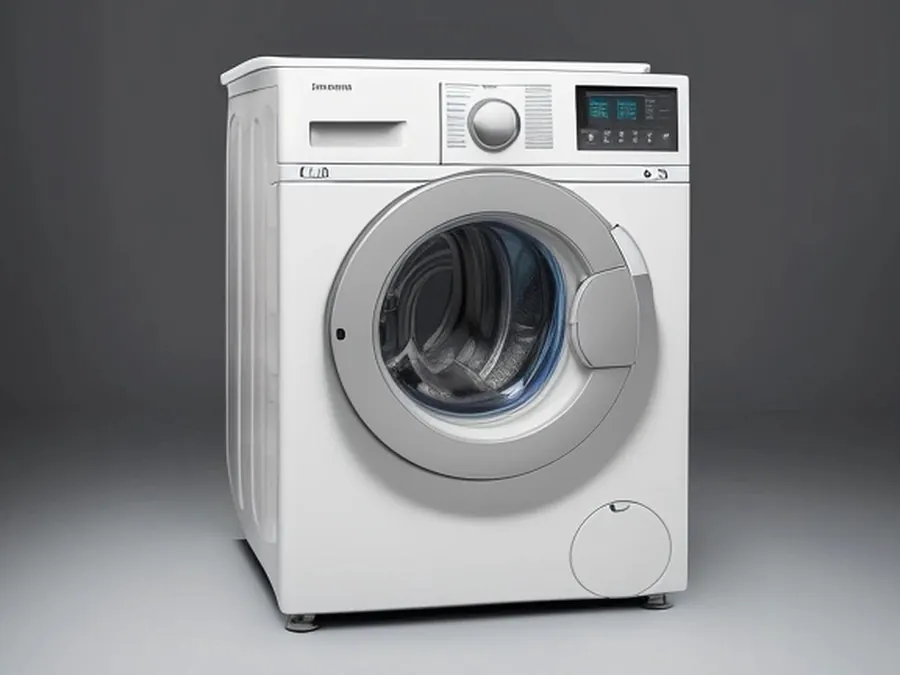
If your washer takes forever to fill, or it fills only a little and then stops, small screens at the water inlets may be clogged. These screens catch sand, rust and debris before they reach the valve. Cleaning the washing machine inlet screens takes about 15 minutes and costs nothing.
This guide is part of our wider guide to appliance problems.
Where the screens are
Each water hose on the back of the washer has a small screen at the inlet. There may also be a screen inside the hose end at the wall. They look like tiny mesh cones or discs. A hot and a cold hose usually means two inlet screens on the washer and two at the hose ends.
Signs they are clogged
The washer fills slowly or takes a long time. The washer stops with an error about fill time. The water flow from one hose is weak. The washer fills with only hot or only cold. You hear a buzzing from the valve. Check Washing machine not draining: what to check if the problem is with draining, not filling.
Step by step: clean the screens
1. Turn off the water at both shutoff valves on the wall. Turn the handles clockwise.
2. Unplug the washer.
3. Pull the washer out a little so you can reach the back. Do not strain the hoses.
4. Put a towel and a bucket under the connections.
5. Unscrew the hoses from the back of the washer, one at a time. Turn them counterclockwise by hand, or with pliers if they are tight. Water will drip out.
6. Look into the washer inlet. You will see a small screen. Use needle nose pliers or a pick to pull it out gently. Take note of how it sits.
7. Rinse the screen under running water. Brush it with an old toothbrush. If there is mineral buildup, soak it in white vinegar for 30 minutes and brush again.
8. Check the hose ends, where there may be a rubber washer with a screen. Clean them the same way.
9. Inspect the rubber washers. Replace any that are cracked or flat.
10. Put the screens back, flat in the inlet. Reattach the hoses, hand tight, plus a quarter turn with pliers.
11. Turn on the water and check for leaks.
12. Plug the washer in and run a short cycle to see how it fills.
Signs that point to each cause
If only one side is slow, one screen is clogged. If both sides are slow, the main valve may be partly closed, or house water pressure is low. If the washer fills but the water is not hot, the hot screen may be blocked or the water heater may be at fault. If the washer buzzes without filling, the valve may be clogged or failing. If hoses leak after you reconnect them, a washer is missing or the nut is loose.
Check the hoses
While the hoses are off, check them. Look for bulges, cracks, rust at the fittings and a stiff, dried out feel. Replace hoses that are more than five years old. See How to replace a supply line braided hose. Label hot and cold so you reconnect them in the right places.
Check house water pressure
If cleaning the screens does not help, check the water pressure at another tap. A pressure problem affects the whole house. See How to fix low water pressure in one faucet. A partly closed shutoff valve behind the washer can also slow the flow. Open both valves fully.
Prevention
Clean the screens once or twice a year. Replace the hoses every five years. Open the shutoff valves fully. In areas with sandy or rusty water, check them more often. Turn off the valves when you go on a long trip.
Tips if the hoses are stuck
Old hose nuts can stick to the fittings. Use pliers with a cloth around the nut to avoid crushing it, and turn gently. Do not twist the valve at the wall, since a stressed valve can leak. If a fitting will not turn, spray a little penetrating oil on the threads and wait. If it still will not move, call a plumber rather than risk a broken pipe. Take a photo of the back of the washer before you start, so you can reconnect the hoses correctly.
Related guides
- Washing Machine Maintenance Checklist: Every Few Months
- How to Set Up a Washing Machine Standpipe Drain
- How to Replace Washing Machine Hoses to Prevent Leaks
- Washer Leaks From the Bottom: How to Find the Source
- Washing Machine Not Filling with Water: What to Check
- How to Install a Washing Machine: Hook It Up Right
FAQ
How often should I clean the screens?
Once or twice a year, more often with sandy water.
Can I use vinegar?
Yes. It dissolves mineral buildup.
What if the screen is damaged?
Replace it. They are cheap and easy to find.
Why does my washer fill slowly after I cleaned it?
Check the valves, the hoses and the house water pressure.
More from this topic
- Washing Machine Maintenance Checklist: Every Few Months: A washing machine maintenance checklist: clean the filter and gasket, check the hoses, level the machine and...
- How to Disconnect a Washing Machine Before Moving or Repair: Learn how to disconnect a washing machine: unplug it, shut off the water, drain the hoses, remove the drain...
- How to Clean a Washing Machine Detergent Drawer: Learn how to clean a washing machine detergent drawer: remove it, soak the parts, scrub the mold and residue...
- How to Fix a Washing Machine That Won't Agitate: How to fix a washing machine that won't agitate: check the agitator dogs, lid switch and drive belt before...
- Washing Machine Shaking During Spin Cycle: Washing machine shaking during spin cycle? Check for shipping bolts, leveling and worn shock absorbers, and...
 KitchenWashing Machine Maintenance Checklist: Every Few MonthsA washing machine maintenance checklist: clean the filter and gasket, check the hoses, level the machine and run cleaning cycles before faults start.
 KitchenHow to Disconnect a Washing Machine Before Moving or RepairLearn how to disconnect a washing machine: unplug it, shut off the water, drain the hoses, remove the drain line and secure the drum for a safe move or repair.
 KitchenHow to Clean a Washing Machine Detergent DrawerLearn how to clean a washing machine detergent drawer: remove it, soak the parts, scrub the mold and residue and wipe the housing so laundry smells fresh.
 KitchenHow to Fix a Washing Machine That Won't AgitateHow to fix a washing machine that won't agitate: check the agitator dogs, lid switch and drive belt before you call the repair.
 KitchenWashing Machine Shaking During Spin CycleWashing machine shaking during spin cycle? Check for shipping bolts, leveling and worn shock absorbers, and fix the cheap causes first.