
Washing Machine Maintenance Checklist: Every Few Months
Part of: Appliances
- Difficulty
- Easy
- Time
- 30 to 45 minutes, four times a year
- Tools
- A towel, an old toothbrush, white vinegar or a washer cleaner, a level, pliers
- Call a pro if
- A hose bulges or cracks, the machine leaks from underneath, or the drum bangs even when level, since those are repair calls rather than maintenance.
In this guide
- Power off first
- Water off first
- Chemical safety
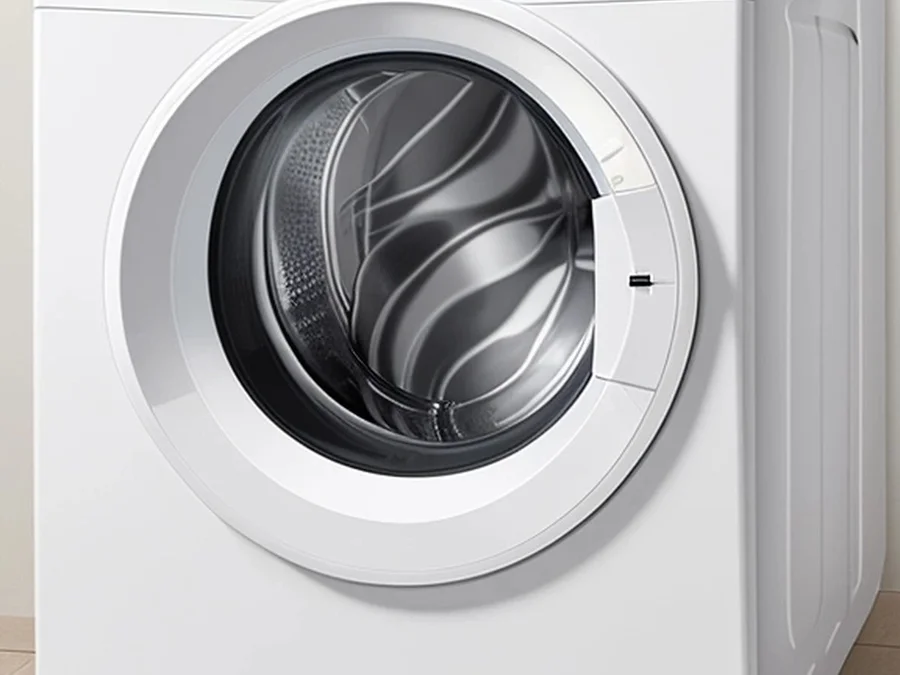
Most washing machine failures announce themselves years early: a musty smell, a walking spin cycle, a slow fill. This washing machine maintenance checklist takes under an hour a few times a year and keeps the machine out of the repair-vs-replace conversation for as long as possible.
1. Run a cleaning cycle monthly
Residue is the root of most washer complaints.
1. Run an empty hot cycle with a washer cleaner or white vinegar.
2. Use the machine's tub-clean setting if it has one.
3. Leave the door and the detergent drawer open after every wash so the drum dries.
4. If odor is already established, how to clean a washing machine that smells handles the reset.
2. Clean the gasket and the door
Front-loader gaskets trap the worst of it.
1. Pull the rubber gasket folds back and wipe out hair, coins and slime.
2. Scrub mildew spots with a vinegar-dampened toothbrush.
3. Wipe the glass and the door rim.
4. Dry the gasket after the last wash of the day; two seconds, and it stays clean far longer.
3. Clear the drain pump filter
The filter protects the pump from everything you forgot in pockets.
1. Find the small access door at the bottom front of the machine.
2. Put a towel and tray down, open the cap slowly and let the water drain.
3. Rinse the filter and check the cavity for coins and buttons.
4. A machine that will not drain often just needs this; see washing machine not draining if it gets that far.
4. Inspect the hoses every six months
The hoses are the flood risk, full stop.
1. Pull the machine out and look at both supply hoses end to end.
2. Any bulge, crack, blister or rust at the fittings means replace now.
3. Rubber hoses older than about five years should be replaced with braided stainless ones; how to replace a washing machine hose is a ten minute job.
4. Make sure the machine sits four inches or so from the wall so hoses never kink.
5. Check level and loading habits
A level machine lives longer.
1. Set a level on top and adjust the feet until the machine is dead level, front to back and side to side.
2. A machine that walks or bangs is telling you it is unlevel or overloaded; washing machine shakes or walks covers the diagnosis.
3. Wash full but not packed loads, and keep heavy items balanced.
4. Use high-efficiency detergent in an HE machine, in the marked amounts.
6. Clean the dispensers and inlet screens
Small blockages cause slow fills and soap streaks.
1. Pull the detergent drawer out fully and scrub it in the sink.
2. Wipe the drawer cavity before reinserting.
3. With the supply off and hoses detached, check the small screens in the inlet valves for sediment.
4. Clean screens restore fill speed immediately.
7. Listen and look at every load for a week
Maintenance ends with attention.
1. Note new noises: grinding, squealing or thumping all mean different parts.
2. Watch for drips under the machine after a full cycle.
3. Check that clothes come out clean and spun, not soggy or soapy.
4. A fault that keeps returning belongs in the repair vs replace appliances framework, not on the checklist.
Common mistakes
- Leaving the door closed between washes and breeding the smell back.
- Using too much detergent, which feeds residue and odor.
- Ignoring a bulging hose because it has not leaked yet.
- Never cleaning the pump filter until the machine stops draining.
- Leveling once at install and never again after the floor settles.
FAQ
How often should you clean a washing machine?
Run a cleaning cycle monthly, wipe the gasket weekly, clean the pump filter every few months and inspect hoses every six months. Little and often beats one heroic annual scrub.
Why does my washing machine smell even after cleaning?
Usually the gasket folds or the drain filter still hold residue, or too much detergent is feeding new buildup. Clean all three, cut the detergent dose and leave the door open between washes.
When should washer hoses be replaced?
Replace rubber hoses at about five years, or immediately if you see bulges, cracks or corroded fittings. Braided stainless hoses are the upgrade worth making.
Is it worth maintaining an old washing machine?
Yes, maintenance is cheap at any age. But if a machine past ten years develops a second fault, run the repair-versus-replace math before paying for parts.
Related guides
- Washing Machine Inlet Screens: Washer filling slowly? Learn how to clean the washing machine inlet screens at the water hoses. Turn off the...
- How to Clean a Washing Machine Drain Pump Filter: Learn how to clean a washing machine drain pump filter: find the panel, drain the water, clear lint and...
- Dishwasher Maintenance Checklist: Monthly and Quarterly: A dishwasher maintenance checklist: clean the filter, wipe the seals, clear the spray arms, descale if you...
- Washing Machine Smells: How to Clean It and Stop the Odor: Washing machine smells musty or sour? Clean the drum, gasket, detergent drawer and filter, then keep it dry....
- How to Clean a Vacuum Cleaner Filter and Restore Suction: Learn how to clean a vacuum cleaner filter: empty the bin, tap out the dust, rinse a washable filter, dry it...
 KitchenWashing Machine Inlet ScreensWasher filling slowly? Learn how to clean the washing machine inlet screens at the water hoses. Turn off the water, remove the hoses and rinse the filters.
 KitchenHow to Clean a Washing Machine Drain Pump FilterLearn how to clean a washing machine drain pump filter: find the panel, drain the water, clear lint and coins, and refit the filter correctly.
 KitchenDishwasher Maintenance Checklist: Monthly and QuarterlyA dishwasher maintenance checklist: clean the filter, wipe the seals, clear the spray arms, descale if you have hard water and check the hoses yearly.
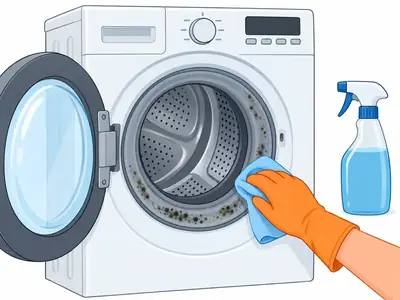 KitchenWashing Machine Smells: How to Clean It and Stop the OdorWashing machine smells musty or sour? Clean the drum, gasket, detergent drawer and filter, then keep it dry. Steps, tools and prevention tips.
 KitchenHow to Clean a Vacuum Cleaner Filter and Restore SuctionLearn how to clean a vacuum cleaner filter: empty the bin, tap out the dust, rinse a washable filter, dry it fully and restore suction and a fresher smell.