
Dishwasher Maintenance Checklist: Monthly and Quarterly
Part of: Appliances · Also in: The Complete Guide to Kitchen and Appliance Care at Home
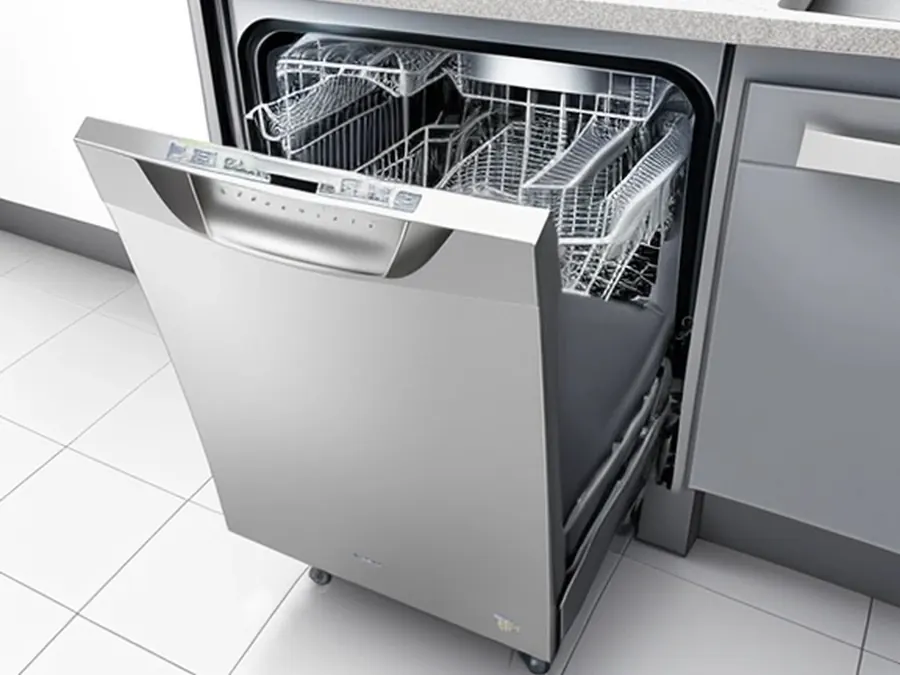
- Difficulty
- Easy
- Time
- 15 minutes monthly, 30 minutes quarterly
- Tools
- An old toothbrush, white vinegar, a toothpick or thin wire, a towel
- Call a pro if
- The machine leaks from underneath, the pump growls, or dishes stay dirty after the filter, arms and spray pattern are all confirmed clean, since that points to a failing pump or valve.
In this guide
- Power off first
- Wear protection
- Chemical safety
A dishwasher cleans things, so people assume it cleans itself. It does not. The filter clogs, the spray arms plug and the seals collect grease, and performance slides so gradually you blame the detergent. This dishwasher maintenance checklist restores what the ads promise, in fifteen minutes a month.
1. Clean the filter monthly
The filter is the whole game on modern machines.
1. Twist out the cylindrical filter at the tub bottom.
2. Rinse it under hot water and scrub the mesh with a toothbrush.
3. Check the well underneath for glass, bones and labels.
4. The full routine is in how to clean a dishwasher filter.
2. Clear the spray arm holes quarterly
Plugged jets mean dirty dishes on one rack.
1. Lift out the lower spray arm and pop off the upper one.
2. Poke each jet clear with a toothpick or thin wire.
3. Rinse the arms and spin them by hand before reinstalling.
4. If an arm will not spin in use, dishwasher spray arm not spinning goes deeper.
3. Wipe the door gasket and edges
Grease and grime hide where water does not reach.
1. Wipe the rubber gasket with a vinegar-dampened cloth.
2. Clean the bottom edge of the door and the tub lip, classic sludge zones.
3. Check the gasket for cracks; a split seal leaks, and how to replace a dishwasher door gasket is a gentle fix.
4. Leave the door ajar between loads so the tub dries.
4. Run a cleaning and descaling cycle
Scale is the silent performance killer.
1. Run an empty hot cycle with a cup of white vinegar in a bowl on the top rack.
2. Hard-water homes should do this monthly; soft-water homes quarterly.
3. Follow with a short hot rinse cycle if any odor lingers.
4. If smell is the main complaint, dishwasher smells: how to get rid of the odor covers the full reset.
5. Check the hoses and connections yearly
Floods give warning signs when you look.
1. Pull the kick plate and look for drips or mineral crust at the supply and drain connections.
2. Flex the supply line gently; stiffness or bulging means replace it.
3. Confirm the drain hose loops up high under the sink or has an air gap, which stops sink water backing in.
4. If water ever stands in the tub, dishwasher not draining is the checklist to follow.
6. Load it the way it was designed
Habits are maintenance too.
1. Face dirty surfaces toward the spray and do not block the arms with tall pans.
2. Scrape, do not pre-rinse; modern detergent needs some soil to work on.
3. Keep plastics off the bottom rack near the heating element.
4. Run the kitchen hot faucet first in winter so the cycle starts hot.
7. Review performance monthly
The dishes tell you when something changed.
1. Film or spots that appear suddenly point to scale or rinse-aid running out.
2. Gritty residue on clean-looking dishes means the filter or arms are clogged again.
3. Damp dishes at the end suggest rinse-aid or a failing vent or element.
4. A machine past ten years with a second fault belongs in the repair vs replace appliances math.
Common mistakes
- Never removing the filter because the dishes "look clean."
- Pre-rinsing everything, which confuses soil sensors and wastes water.
- Blocking the spray arms with oversized items.
- Ignoring white scale until the jets plug solid.
- Running the machine with a slow drip underneath for months.
FAQ
How often should you clean a dishwasher filter?
Monthly for most households, weekly if you run daily loads with heavy soil. A clogged filter is the number one cause of dishes that come out dirty.
Why does my dishwasher leave a white film on glasses?
Hard-water mineral deposits. Descale with a vinegar cycle, keep rinse-aid topped up and, if your water is very hard, descale monthly rather than quarterly.
Is vinegar safe to use in a dishwasher?
The usual way to descale is to stand a cup of it upright in a bowl on the top rack and run an empty hot cycle. Do not pour it into the rinse-aid dispenser, and do not mix it with detergent or bleach products.
Why does my dishwasher smell bad?
Trapped food in the filter, grease in the gasket and door edges, or a drain hose without a high loop letting sink water back in. Clean all three and the smell goes.
Related guides
- How to Clean a Dishwasher So It Cleans Like New: Learn how to clean a dishwasher: clear the filter, scrub the spray arms, degrease the seals, run a cleaning...
- How to Clean a Dishwasher Filter to Stop Smells: Learn how to clean a dishwasher filter in minutes: find it, remove it, rinse away food debris, scrub gently,...
- Washing Machine Maintenance Checklist: Every Few Months: A washing machine maintenance checklist: clean the filter and gasket, check the hoses, level the machine and...
- Dishwasher Smells: How to Get Rid of the Odor: Dishwasher smells bad? Clean the filter, drain, spray arms and door seal, then run a vinegar cycle. Easy...
- How to Clean a Dehumidifier to Remove Moisture and Smells: Learn how to clean a dehumidifier: empty and wash the bucket, rinse the filter, wipe the coils, and prevent...
 KitchenHow to Clean a Dishwasher So It Cleans Like NewLearn how to clean a dishwasher: clear the filter, scrub the spray arms, degrease the seals, run a cleaning cycle and stop odors for good.
 KitchenHow to Clean a Dishwasher Filter to Stop SmellsLearn how to clean a dishwasher filter in minutes: find it, remove it, rinse away food debris, scrub gently, and put it back so dishes come out clean again.
 KitchenWashing Machine Maintenance Checklist: Every Few MonthsA washing machine maintenance checklist: clean the filter and gasket, check the hoses, level the machine and run cleaning cycles before faults start.
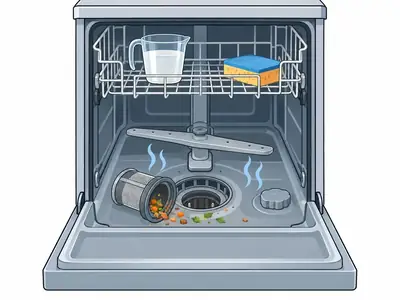 KitchenDishwasher Smells: How to Get Rid of the OdorDishwasher smells bad? Clean the filter, drain, spray arms and door seal, then run a vinegar cycle. Easy steps, tools and ways to stop it coming back.
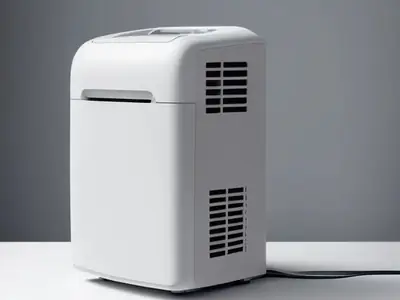 KitchenHow to Clean a Dehumidifier to Remove Moisture and SmellsLearn how to clean a dehumidifier: empty and wash the bucket, rinse the filter, wipe the coils, and prevent mold and odor so it keeps drying the air.