
How to Install a Washing Machine: Hook It Up Right
Part of: Appliances
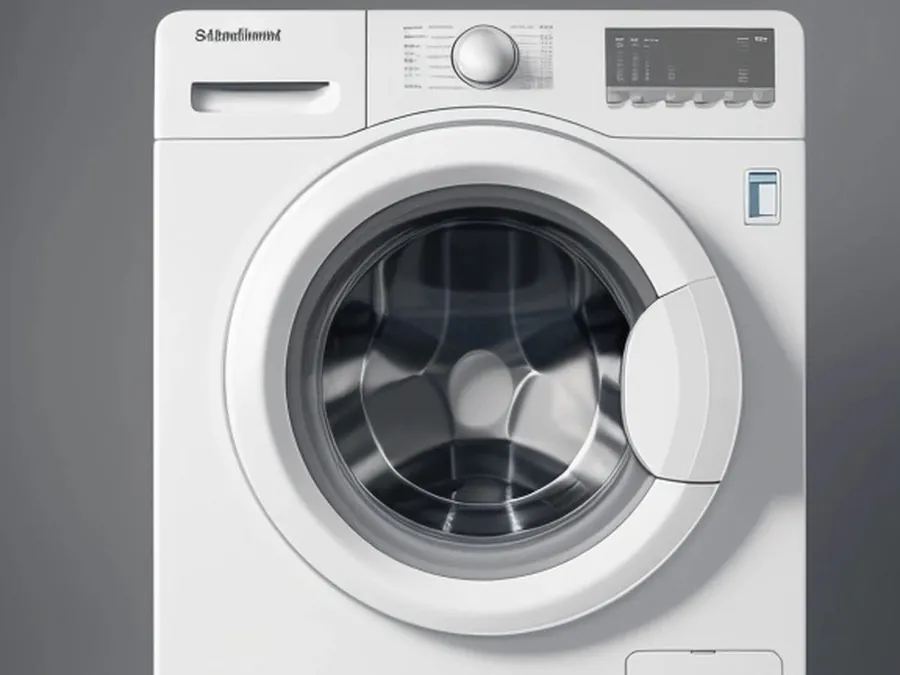
- Difficulty
- Moderate
- Time
- 1 to 2 hours
- Tools
- An adjustable wrench, a level, a bucket, pliers, new braided hoses
- Call a pro if
- There is no existing hookup, the drain standpipe is missing or clogged, or the floor needs reinforcement, since those are bigger than a swap.
In this guide
- Water off first
A washing machine swap looks intimidating and is mostly four connections: hot, cold, drain and power. How to install a washing machine without leaks or a walking, banging spin cycle comes down to fresh hoses, a level machine and a watched first cycle. Here is the whole job, from dolly to test load.
1. Prep the space and the old machine
Out with the old, cleanly.
1. Unplug the old machine and shut both supply valves.
2. Disconnect the hoses over the bucket; they hold a cup of water each.
3. Pull the drain hose from the standpipe and move the old machine out.
4. Clean the floor and check the shutoff valves; weeping valves get replaced before the new machine goes in.
2. Connect the water supply
Fresh hoses, every time.
1. Install new braided stainless hoses; never reuse the old ones; how to replace a supply line covers why.
2. Hot connects to hot, cold to cold; the valves and machine inlets are marked.
3. Hand-tighten plus a quarter turn with the wrench; crushed washers leak.
4. Keep the hoses kink-free with a gentle curve behind the machine.
3. Set the drain hose
The flood-prevention step.
1. Insert the drain hose into the standpipe four to six inches; deeper invites siphoning.
2. Secure it with the guide or a zip tie so vibration cannot walk it out.
3. The standpipe top should sit above the machine's water level, usually thirty to thirty-nine inches.
4. No standpipe or a slow one means the drain needs work before the machine runs.
4. Level the machine
The step that ends walking and banging.
1. Set the machine in place and check level front to back and side to side.
2. Adjust the feet until the bubble sits dead center both ways.
3. Lock the foot nuts against the frame so vibration cannot undo your work.
4. Rock the machine by hand; any wobble means the feet are not done.
5. Run the test cycle
The watched first wash.
1. Open the supply valves and check every connection with a dry paper towel.
2. Plug in and run a full empty cycle, watching fill, drain and spin.
3. Check the drain hose during discharge; the standpipe should take the flow without backing up.
4. A machine that bangs or walks on spin needs re-leveling, not a repair call.
6. Position and finish
The last ten minutes.
1. Slide the machine into place without kinking the hoses behind it.
2. Leave a few inches behind the machine for hose clearance.
3. Re-check connections after the first real load; vibration finds weak seals.
4. Register the warranty and note the install date for the hose replacement schedule.
7. Keep it healthy
The habits that prevent the service call.
1. Replace the hoses every five years or at the first sign of bulging.
2. Level-check after any move, even a few inches.
3. Leave the door open between washes on front-loaders to stop the smell.
4. Washing machine won't spin and washing machine maintenance cover the years ahead.
Common mistakes
- Reusing old supply hoses to save ten dollars.
- Shoving the drain hose deep into the standpipe and creating a siphon.
- Skipping the level check and blaming the machine for walking.
- Leaving the shipping bolts in a front-loader and wrecking the suspension.
- Testing with a trickle and missing the leak a full cycle would show.
FAQ
How do you install a washing machine?
Connect new braided hoses hot-to-hot and cold-to-cold, set the drain hose four to six inches into the standpipe, level the machine with its feet, plug in and run a watched empty cycle. One to two hours with a helper.
Do you need new hoses for a new washing machine?
Yes, always. Braided stainless hoses cost little and the old ones carry the bulges and corrosion that cause floods. New machine, new hoses, every time.
Why is my new washing machine leaking?
Usually a kinked hose, an over-tightened connection with a crushed washer, or a drain hose seated too deep. Check connections with a dry towel during a fill, and re-seat the drain hose to the correct depth.
How high should a washing machine drain pipe be?
The standpipe top should sit thirty to thirty-nine inches from the floor, above the machine's water level. Too low and it siphons; too high and the pump strains.
Related guides
- How to Set Up a Laundry Area in a New Home: Learn how to set up a laundry area: check the water, drain and vent, level the machines, fit hoses and the...
- How to Drain a Washing Machine Full of Water: How to drain a washing machine that won't empty: bail, drain hose or pump filter methods that get the water...
- How to Set Up a Washing Machine Standpipe Drain: Washer drain overflowing or siphoning? Learn how to set up a washing machine standpipe drain with the right...
- How to Unclog a Washing Machine Drain Hose: Learn how to unclog a washing machine drain hose: pull the washer out, disconnect the hose, clear lint and...
- Washing Machine Loud Noise: What to Check: Washer banging, grinding or squealing? Learn what each washing machine loud noise means, from unbalanced...
 First HomeHow to Set Up a Laundry Area in a New HomeLearn how to set up a laundry area: check the water, drain and vent, level the machines, fit hoses and the vent, organize the space and prevent leaks.
 PlumbingHow to Drain a Washing Machine Full of WaterHow to drain a washing machine that won't empty: bail, drain hose or pump filter methods that get the water out safely.
 PlumbingHow to Set Up a Washing Machine Standpipe DrainWasher drain overflowing or siphoning? Learn how to set up a washing machine standpipe drain with the right height, trap and hose connection.
 PlumbingHow to Unclog a Washing Machine Drain HoseLearn how to unclog a washing machine drain hose: pull the washer out, disconnect the hose, clear lint and sludge, check the standpipe and reconnect it.
 PlumbingWashing Machine Loud Noise: What to CheckWasher banging, grinding or squealing? Learn what each washing machine loud noise means, from unbalanced loads to worn bearings, and what to check.