
How to Unclog a Washing Machine Drain Hose
Part of: Appliances
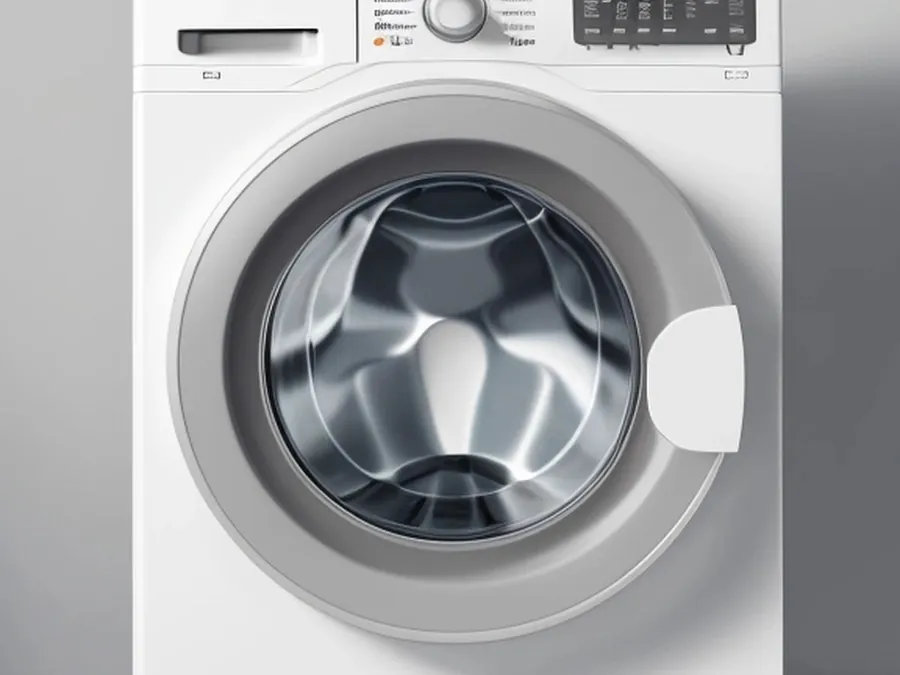
- Difficulty
- Medium
- Time
- 30 to 60 minutes
- Tools
- Bucket, towels, pliers, flashlight, flexible brush or plumber's snake, work gloves, hose clamp
- Call a pro if
- The standpipe or main drain is clogged, water backs up in other drains or the hose is cracked and stuck.
In this guide
- Power off first
- Water off first
- Wear protection
A clogged drain hose leaves water in the drum or makes the washer drain slowly. The clog is usually lint, a sock or soap scum. Here is how to unclog a washing machine drain hose.
Before you start
Rule out the easier causes first: a blocked filter, a kinked hose or a clogged standpipe. Run a short spin to see if water moves at all. Listen for the pump. If it hums and the drum has water, the blockage is probably in the pump filter or hose. If water gurgles up in the standpipe, the household drain may be the problem.
1. Check the simple causes
1. Look for a kinked hose behind the washer.
2. Check that the hose is not pushed too far into the standpipe.
3. Clean the pump filter if your washer has one.
4. Run a spin to see if it helps.
2. Unplug and shut off the water
1. Unplug the washer.
2. Close both water valves.
3. Lay towels on the floor.
4. Place a bucket nearby.
3. Pull the washer out
1. Slide the washer away from the wall carefully.
2. Do not strain the hoses.
3. Make room to reach the back.
4. Keep it level and upright.
4. Disconnect the drain hose
1. Hold the hose end over the bucket.
2. Loosen the clamp at the washer end with pliers.
3. Pull the hose off.
4. Let water run into the bucket.
5. Inspect the hose
1. Look through the hose against the light.
2. Feel for lumps or soft spots.
3. Check for cracks.
4. Check the other end at the standpipe.
6. Clear the clog
1. Run water through the hose from the washer end.
2. Use a flexible brush or a small snake.
3. Push the debris out gently.
4. Flush until the water runs freely.
7. Check the standpipe
1. Look into the standpipe for lint or a blockage.
2. Pour a little water down to test it.
3. Use a snake on the standpipe if needed.
4. Call a plumber if the drain backs up.
8. Reconnect and test
1. Refit the hose and tighten the clamp.
2. Keep a gentle curve with no kinks.
3. Push the washer back slowly.
4. Run a drain cycle and check for leaks.
Quick tips
- Use a lint trap on the end of the hose if your setup allows it.
- Clean the filter every few months.
- Do not use too much detergent.
- Replace a hose that is cracked or stiff.
When to stop and call a pro
Call a plumber if water backs up out of the standpipe, if other drains gurgle or if you find the hose is crushed or cracked and cannot be removed. A clog deeper in the house drain needs a pro with the right tools. Do not use chemical drain cleaners in the standpipe, since they can damage pipes and hurt skin. If the washer pump hums but does not drain even with a clear hose, the pump may have failed and need replacing. Measure the height of the hose loop at the back of the washer, since a hose that sits too low can let water siphon out, and one that is too high can strain the pump. Check your manual for the right height.
Related guides
- Washing machine not draining: what to check
- How to clean a washing machine drain pump filter
- How to set up a washing machine standpipe drain
- How to Unclog a Dishwasher Drain Hose Step by Step
- How to Disconnect a Washing Machine Before Moving or Repair
Common mistakes
- Forgetting a bucket.
- Pushing the hose too deep into the standpipe.
- Using chemical drain cleaner.
- Ignoring a clogged standpipe.
- Leaving a kink.
FAQ
What causes a drain hose clog?
Lint, socks, soap scum and small objects.
Is the filter the same as the hose?
No. The filter is at the pump.
How do I know the standpipe is blocked?
Water backs up or gurgles when the washer drains.
Can I use a snake?
Yes, a small flexible one, used gently.
More from this topic
- How to Set Up a Washing Machine Standpipe Drain: Washer drain overflowing or siphoning? Learn how to set up a washing machine standpipe drain with the right...
- How to Replace Washing Machine Hoses to Prevent Leaks: Learn how to replace washing machine hoses, spot signs of wear and connect hot and cold lines correctly to...
- How to Level a Washing Machine So It Stops Shaking: Learn how to level a washing machine: check the floor, adjust the feet with a wrench, lock them in place and...
- Washing Machine Not Draining: What to Check: Washing machine not draining? Check the drain hose, the pump filter and the standpipe. Safe steps, tools and...
- How to Drain a Washing Machine Full of Water: How to drain a washing machine that won't empty: bail, drain hose or pump filter methods that get the water...
 PlumbingHow to Set Up a Washing Machine Standpipe DrainWasher drain overflowing or siphoning? Learn how to set up a washing machine standpipe drain with the right height, trap and hose connection.
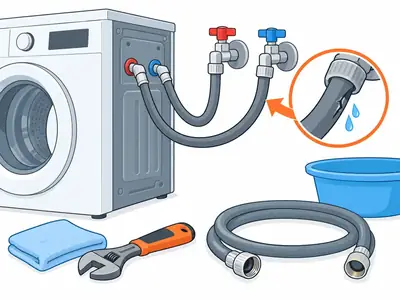 PlumbingHow to Replace Washing Machine Hoses to Prevent LeaksLearn how to replace washing machine hoses, spot signs of wear and connect hot and cold lines correctly to avoid leaks and flood damage in your laundry room.
 KitchenHow to Level a Washing Machine So It Stops ShakingLearn how to level a washing machine: check the floor, adjust the feet with a wrench, lock them in place and test the spin cycle to stop shaking and walking.
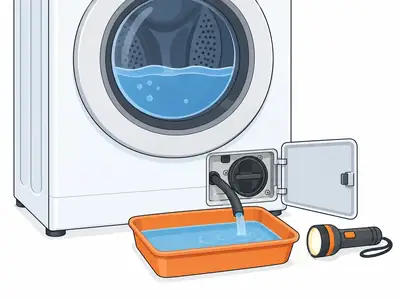 KitchenWashing Machine Not Draining: What to CheckWashing machine not draining? Check the drain hose, the pump filter and the standpipe. Safe steps, tools and when to call a repair tech.
 PlumbingHow to Drain a Washing Machine Full of WaterHow to drain a washing machine that won't empty: bail, drain hose or pump filter methods that get the water out safely.