
How to Replace a Toilet Seat: A Simple Step by Step Guide
Part of: Basic plumbing · Also in: The Complete Guide to Home Plumbing Repair for Homeowners
- Difficulty
- Easy
- Time
- 15 to 30 minutes
- Tools
- Tape measure, screwdriver, adjustable pliers, penetrating oil, rag, rubber gloves
- Call a pro if
- the bolts are rusted solid and will not turn, or the porcelain is cracked around the bolt holes
In this guide
- Wear protection
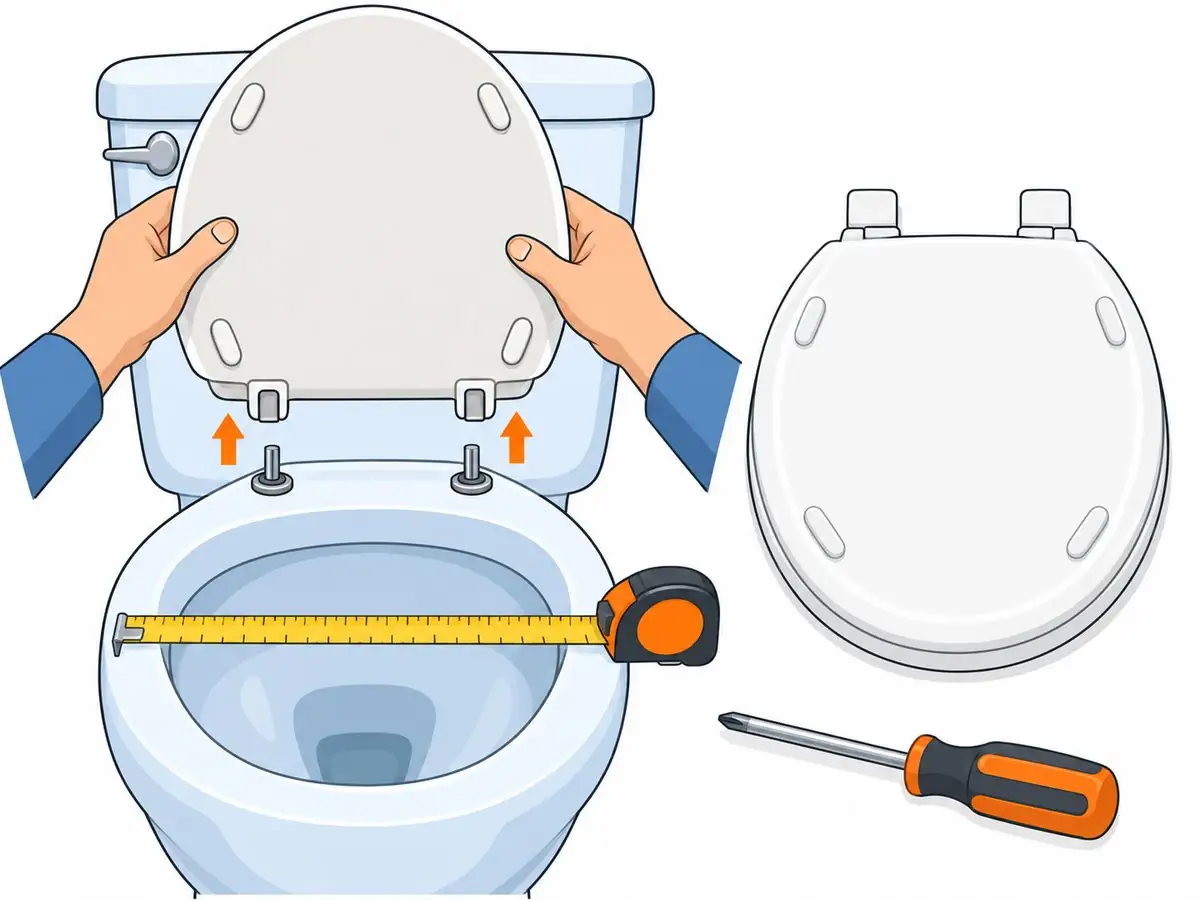
A cracked, stained or loose seat is one of the easiest bathroom upgrades. You can replace a toilet seat in about 15 minutes with a screwdriver and a measuring tape. The key is buying the right shape and size, because bowls are not all the same.
Choose the right seat
Measure before you shop.
1. Check the shape. Look from above. A round bowl is shaped like a circle. An elongated bowl is longer and oval.
2. Measure the length. From the bolt holes at the back to the front edge of the bowl. Round bowls are shorter than elongated ones, so check the box.
3. Measure the bolt hole spacing. The holes are centered on the back of the bowl, and the spacing is standard on most toilets, but check the package.
4. Pick the style. A slow close seat has a hinge that lowers it gently. A standard seat is simpler. A quick release seat lifts off for cleaning.
Step by step
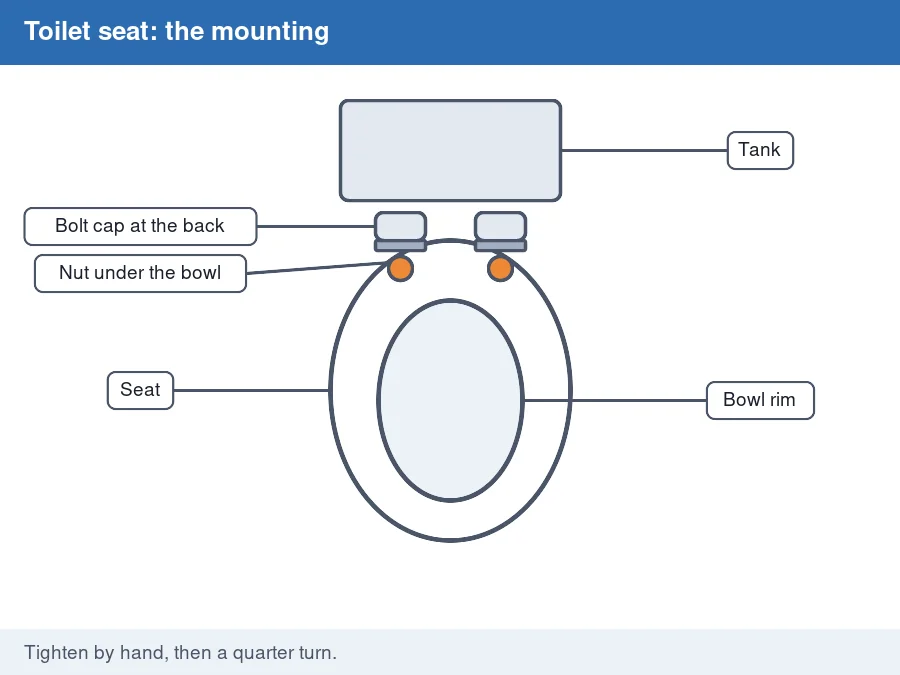
1. Lift the bolt caps at the back of the seat with a screwdriver tip. They flip up and show the bolt heads or nuts.
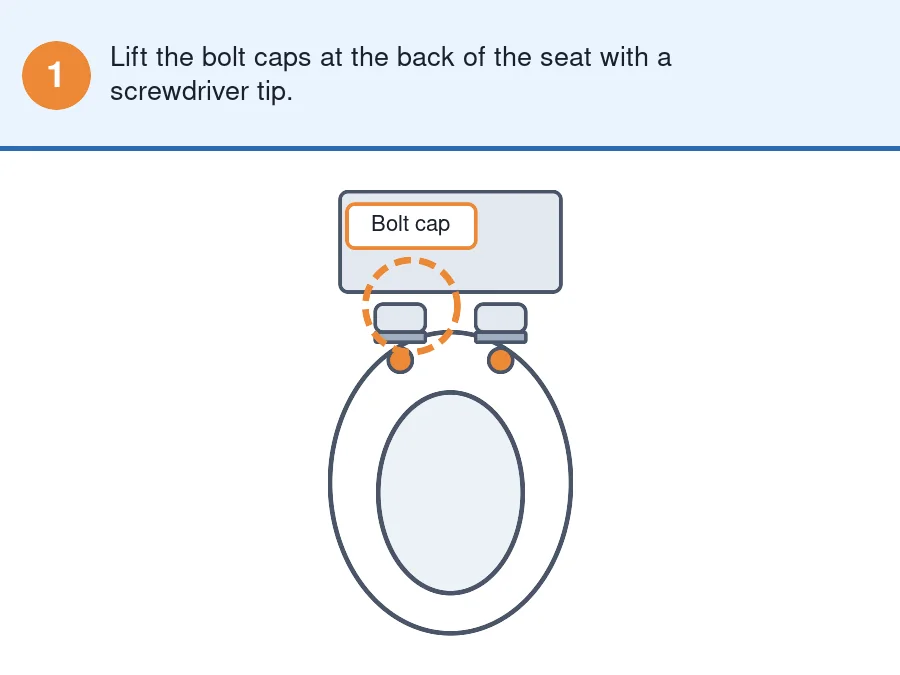
2. Loosen the nuts that sit under the back of the bowl. Hold the bolt head still with a screwdriver as you turn the nut counterclockwise. If you cannot reach, you may need pliers or a small wrench. If the bolts are stuck, spray a little penetrating oil and wait a few minutes.
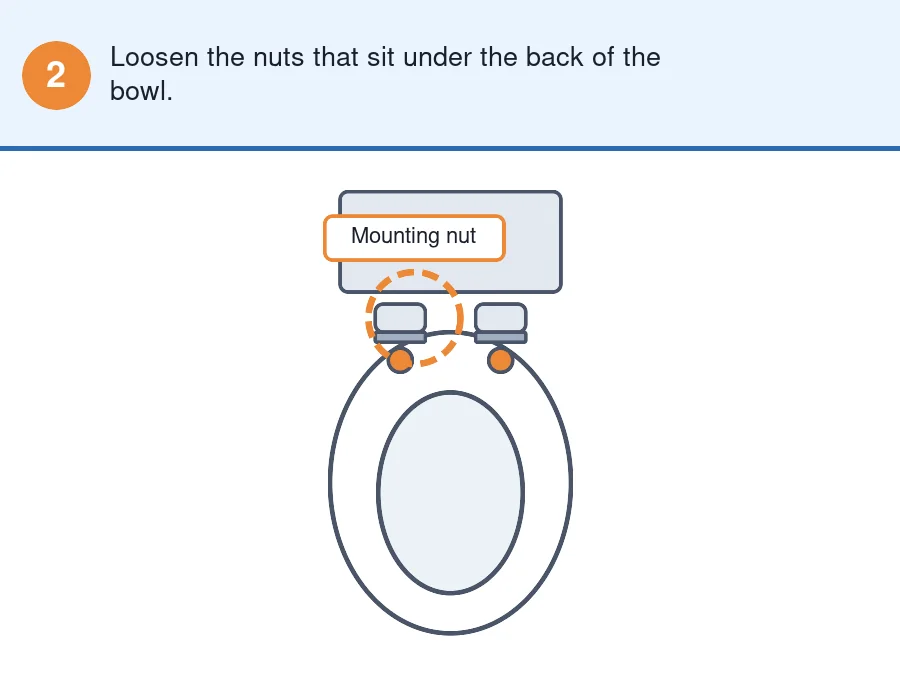
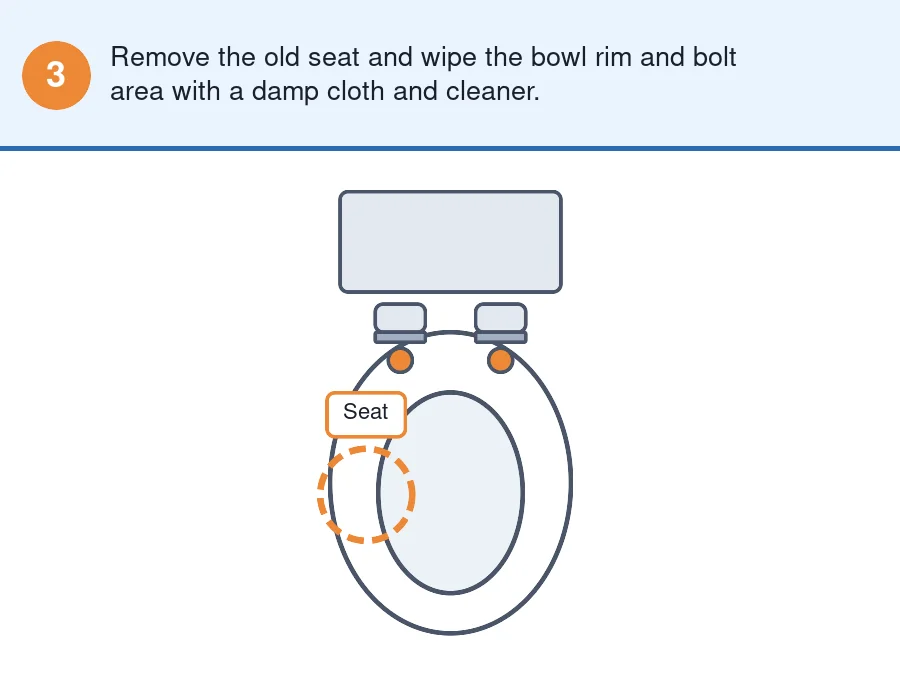
3. Remove the old seat and wipe the bowl rim and bolt area with a damp cloth and cleaner.
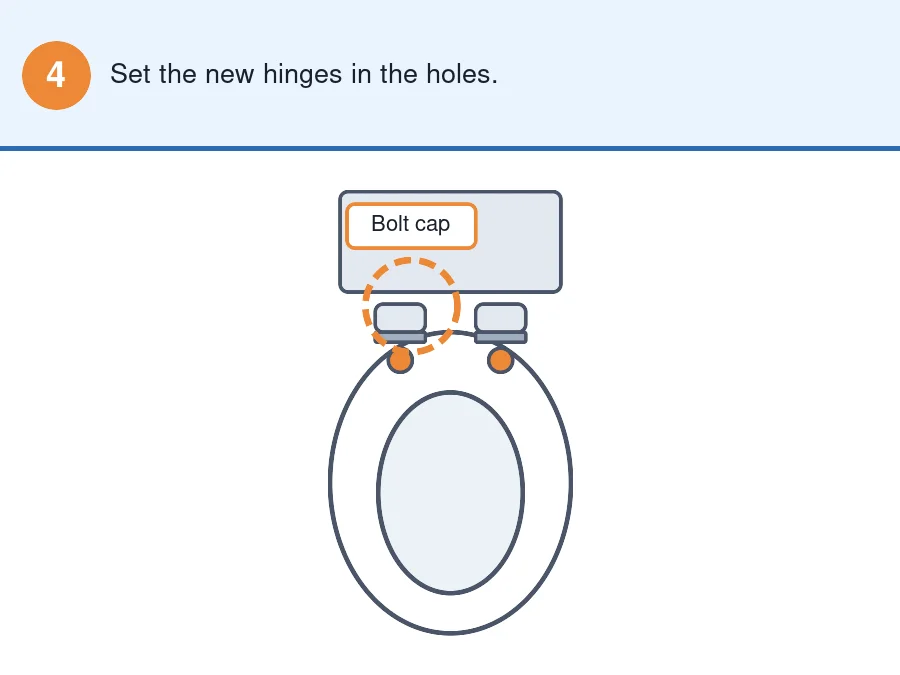
4. Set the new hinges in the holes. Use the new bolts that come with the seat, and fit any rubber or plastic washers as shown.
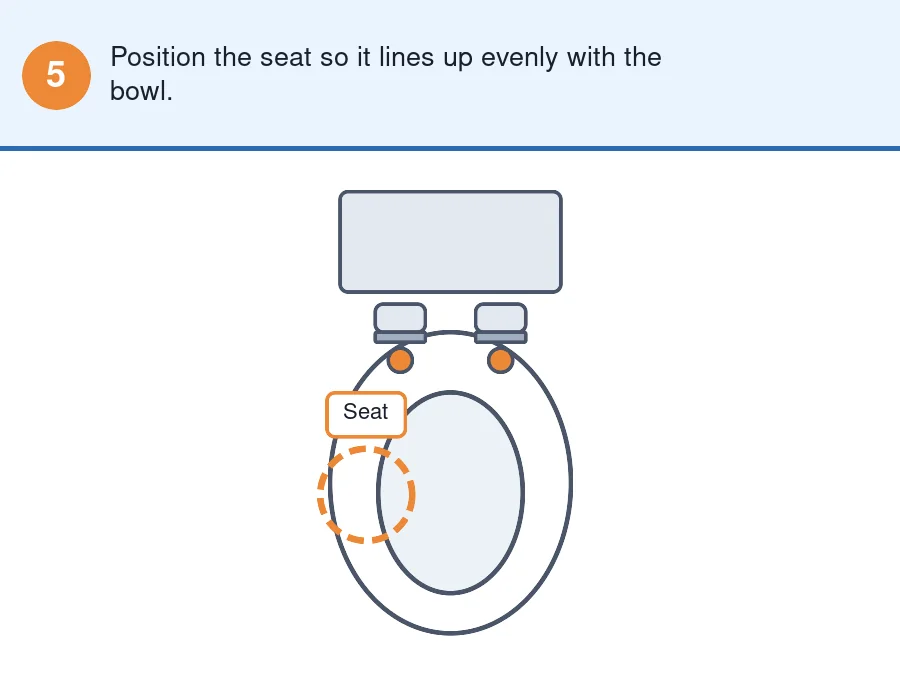
5. Position the seat so it lines up evenly with the bowl. Center it before you tighten. Leave the nuts a little loose.
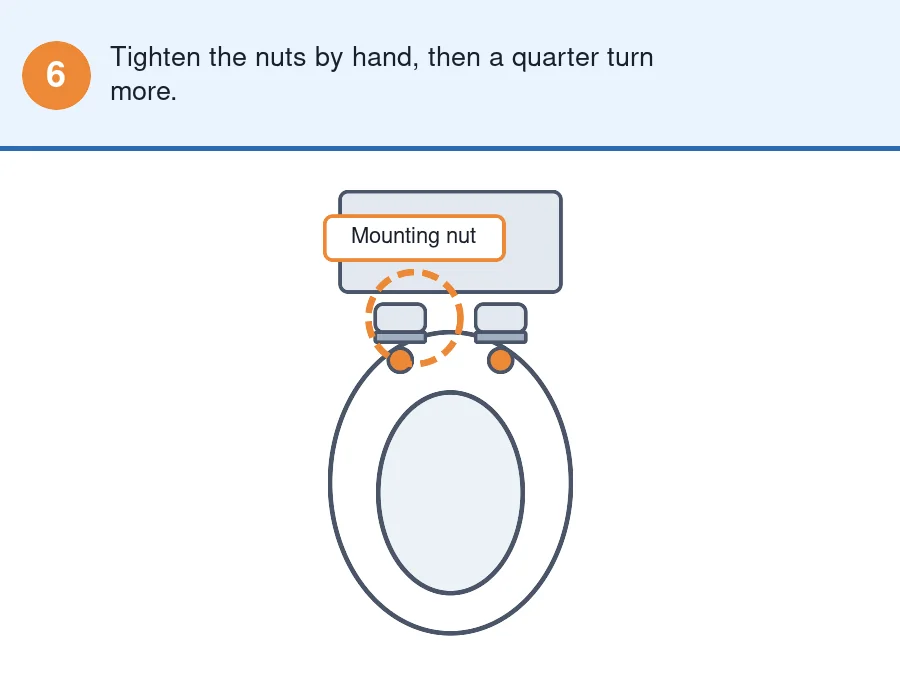
6. Tighten the nuts by hand, then a quarter turn more. Do not use heavy force on plastic nuts because they strip, and a cracked bolt hole means a new toilet.
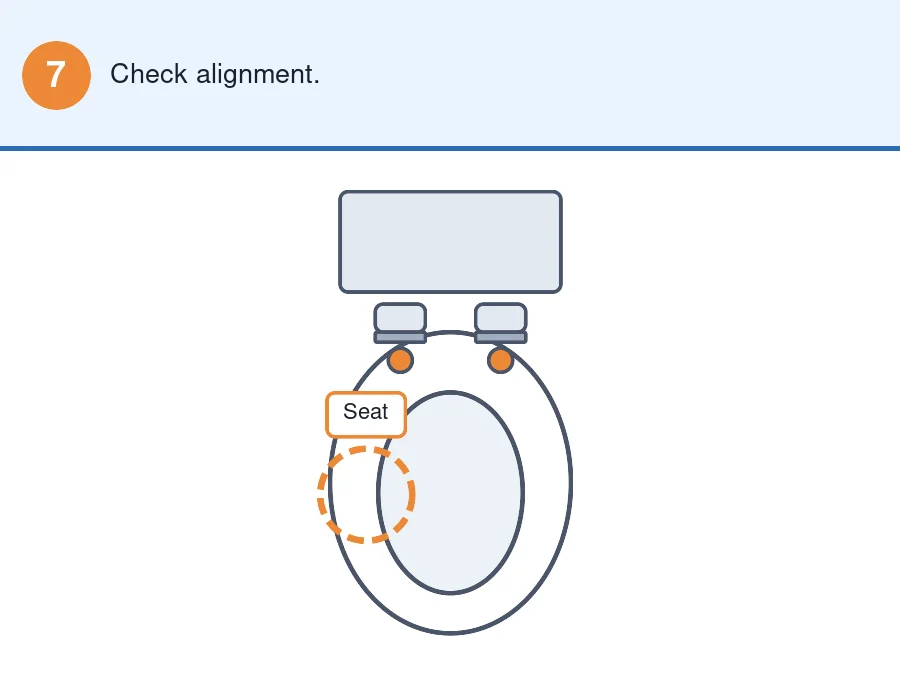
7. Check alignment. Lower the lid and seat. The gap on both sides should look even. Adjust the position if needed and tighten again.
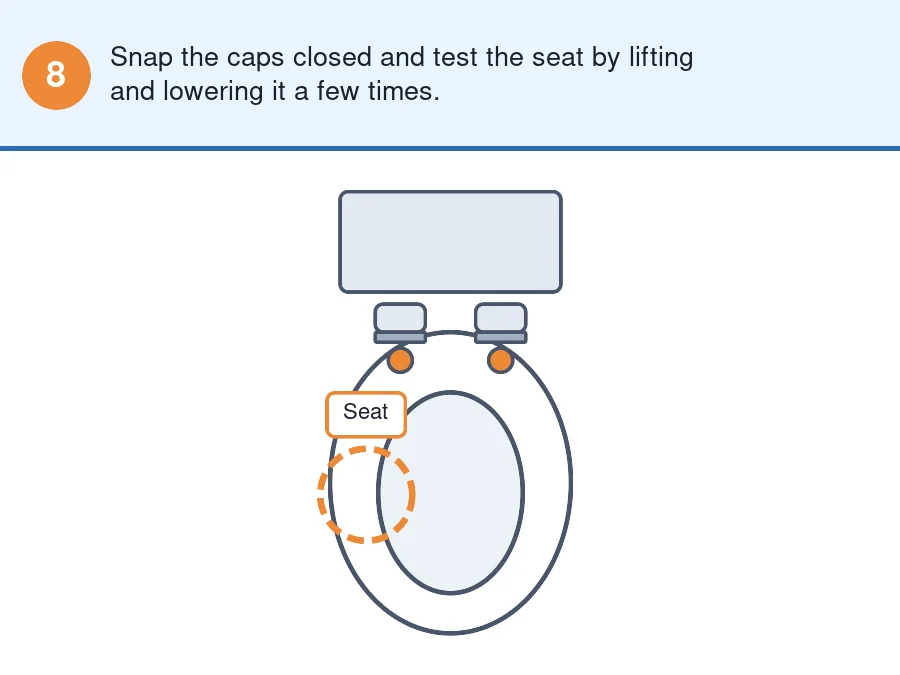
8. Snap the caps closed and test the seat by lifting and lowering it a few times.
If the new seat slides around
Seats slip when the nuts are loose or the hinge posts are not seated well. Retighten after a few days of use. Some seats have an adjustment hinge that lets you shift the seat side to side before locking it.
Rust and stuck hardware
Old metal bolts can be rusted. Plastic bolts and nuts are easier to remove. If a bolt spins and will not loosen, hold the head with a screwdriver and cut the bolt with a hacksaw blade, taking care not to scratch the porcelain. Wrap the blade end in tape or use a small hand blade. Use a piece of cardboard to protect the bowl.
Cleaning and care
Wipe the seat with mild soap and a soft cloth. Avoid harsh bleach on plastic. A quick release seat lets you clean the hinge area easily. If you also have a running tank, see How to fix a running toilet.
Plan the job and the parts
Check how the old seat is attached before you buy. Most seats attach with two bolts through the back of the bowl. A few older bowls have a different arrangement. Read the box to confirm it fits your bowl, and keep the old seat until the new one is on, so you can compare the hinge position. Some seats include a template or a spacer for bowls that are slightly narrower or wider than usual. If the seat sits crooked even after you center it, check that the bolts sit in the middle of the holes, since the holes are slotted on many bowls to allow a little adjustment.
Slow close seats and hinges
A slow close hinge has a small damper inside. It works best when the seat is installed level, with no twist in the lid. If the lid slams or does not close, loosen the nuts, reset the seat and tighten again. Do not oil the hinge, because oil can leave marks on the porcelain.
Related guides
- How to Install a Bathroom Vanity (Replacement Guide)
- How to Install a Bidet Seat on Your Toilet Step by Step
- Replace Toilet Flush Handle in 15 Minutes
- How to Replace a Toilet Fill Valve
- How to Fix a Loose Toilet Seat or Wobbly Toilet (Quick Guide)
- How to Measure for a New Toilet
More help
Not sure this is the right repair? Our toilet problems guide lists each symptom and the guide that fixes it.
FAQ
How do I know if I have a round or elongated toilet?
Measure from the bolt holes to the front edge. Round bowls are shorter. Compare with the package size.
Can I use any seat on any toilet?
No. The shape has to match, but bolt spacing is standard on most models.
Why does my toilet seat keep loosening?
The nuts work loose over time. Retighten them and check for worn hinge posts.
Do I need to turn off the water?
No, this job does not touch the plumbing.
More from this topic
- How to Install a Bidet Seat on Your Toilet Step by Step: Learn how to install a bidet seat on a standard toilet. Check the fit, shut off the water, add a T-adapter...
- How to Fix a Loose Toilet Seat or Wobbly Toilet: How to fix a loose toilet seat or wobbly toilet: tighten seat bolts, snug the base bolts, and shim the base....
- How to Replace a Bathroom Exhaust Fan: Learn how to replace a bathroom exhaust fan from below. Measure the housing, turn off power, swap the old...
- How to Replace a Faucet Aerator to Fix Low Flow: Learn how to replace a faucet aerator. Find the size, unscrew the old one, clean the threads and install a...
- Toilet Tank Sweating: How to Stop Condensation: Toilet tank sweating and dripping on the floor? Learn why condensation forms, quick fixes like a tank liner...
 BathroomHow to Install a Bidet Seat on Your Toilet Step by StepLearn how to install a bidet seat on a standard toilet. Check the fit, shut off the water, add a T-adapter and mount the seat with simple steps and no tools.
 BathroomHow to Fix a Loose Toilet Seat or Wobbly ToiletHow to fix a loose toilet seat or wobbly toilet: tighten seat bolts, snug the base bolts, and shim the base. Learn when a leak means a new wax ring.
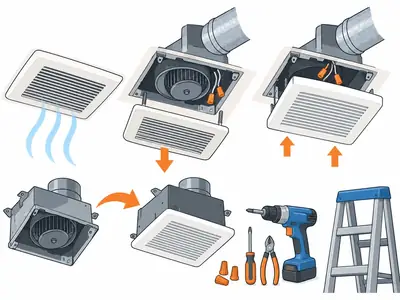 BathroomHow to Replace a Bathroom Exhaust FanLearn how to replace a bathroom exhaust fan from below. Measure the housing, turn off power, swap the old unit and seal the duct well.
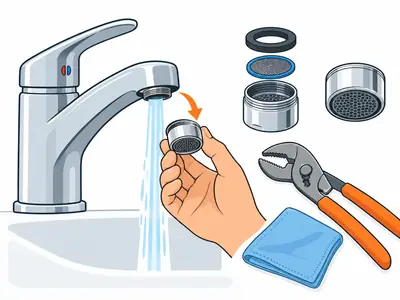 BathroomHow to Replace a Faucet Aerator to Fix Low FlowLearn how to replace a faucet aerator. Find the size, unscrew the old one, clean the threads and install a new aerator to restore a smooth, even stream.
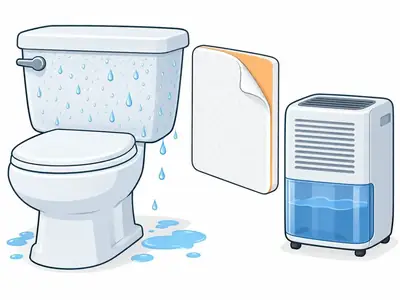 BathroomToilet Tank Sweating: How to Stop CondensationToilet tank sweating and dripping on the floor? Learn why condensation forms, quick fixes like a tank liner and a mixing valve, and when to look for a leak.