
How to Install a Bidet Seat on Your Toilet Step by Step
Part of: Basic plumbing
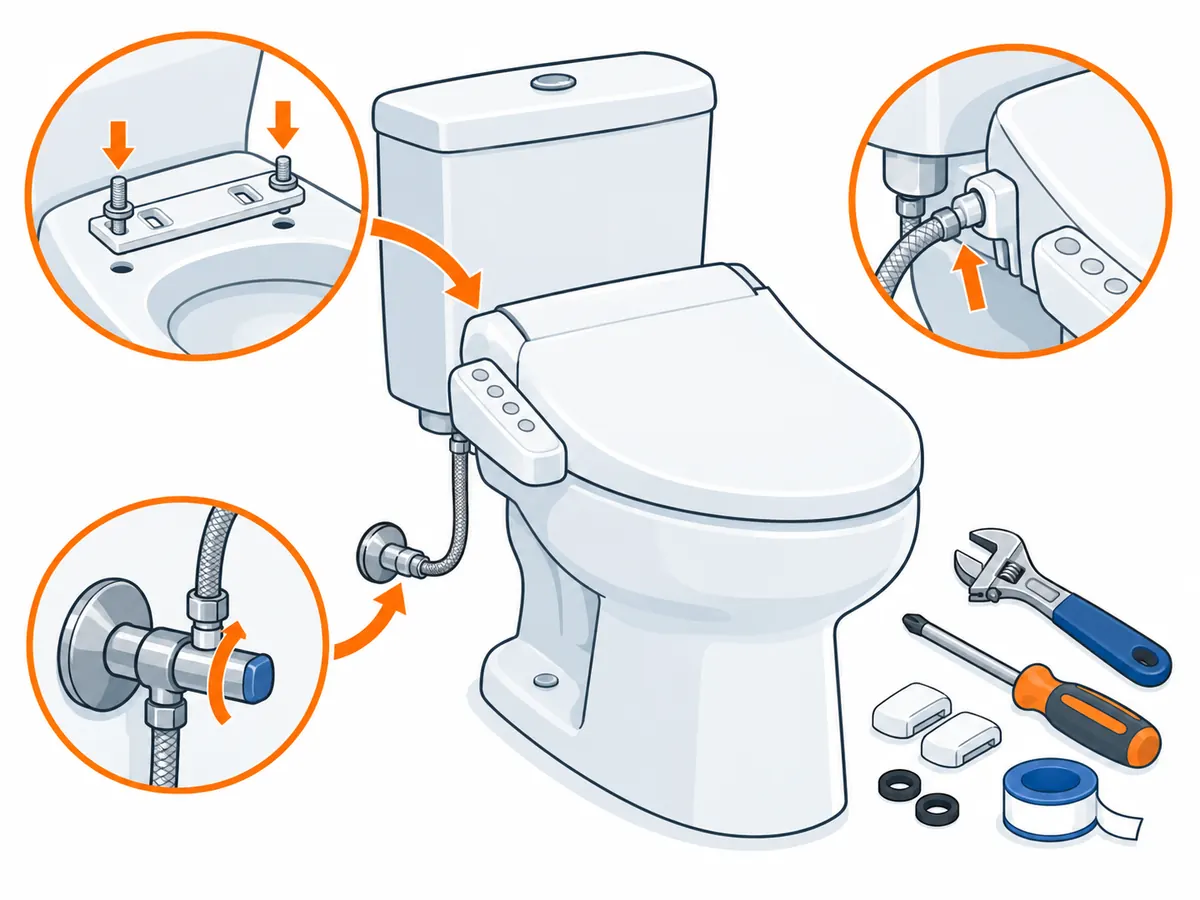
- Difficulty
- Easy
- Time
- 30 to 45 minutes
- Tools
- Adjustable wrench, screwdriver, towel, small bucket, plumber's tape, the kit
- Call a pro if
- the shutoff valve leaks or will not turn, or the toilet has no nearby outlet and your model needs power
In this guide
- Water off first
A bidet seat replaces your toilet seat and adds a gentle water spray. Many models connect to the cold water supply and need no electricity. The job takes about 30 minutes, and you can install a bidet seat with only a wrench or pliers. This guide covers the checks and the steps.
This guide is part of our wider guide to bathroom fixtures, tile and grout.
Before you buy and start
1. Check the toilet shape. Toilets are round or elongated. Measure the distance from the bolt holes to the front rim of the bowl, then the width at its widest point. Buy the shape that matches.
2. Check the space. Some seats need extra room between the tank and the seat hinge. Check that the tank is not too close to the bowl.
3. Check the power. Non-electric models need no outlet. Electric models with heated water or a heated seat need a nearby outlet with a ground fault outlet. See GFCI outlet will not reset.
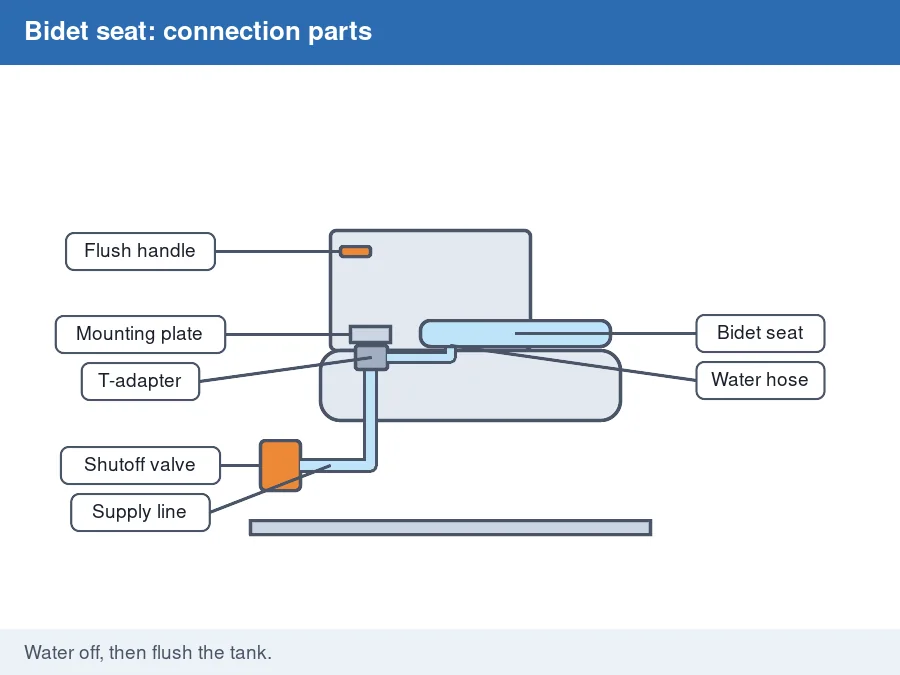
4. Check the water line. You need a shutoff valve and a supply line. A T-adapter in the kit splits the water for the toilet and the bidet.
Step by step: install the seat
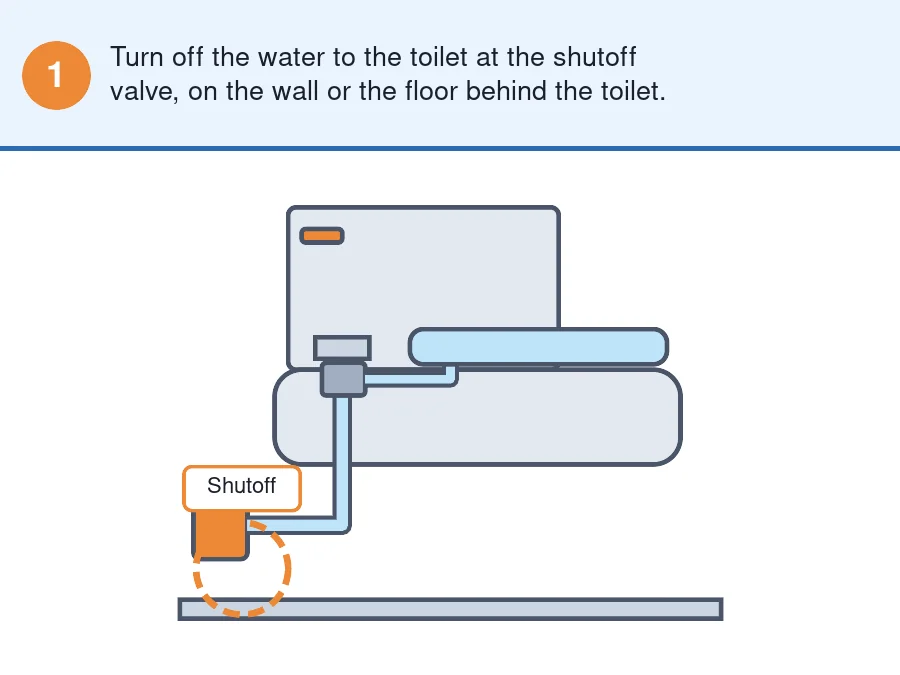
1. Turn off the water to the toilet at the shutoff valve, on the wall or the floor behind the toilet.
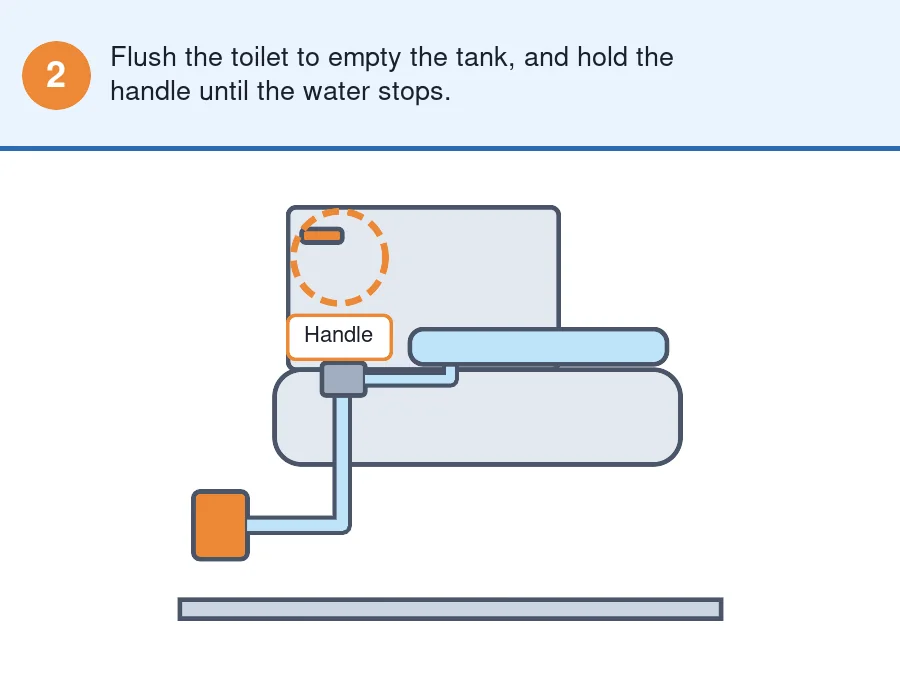
2. Flush the toilet to empty the tank, and hold the handle until the water stops.
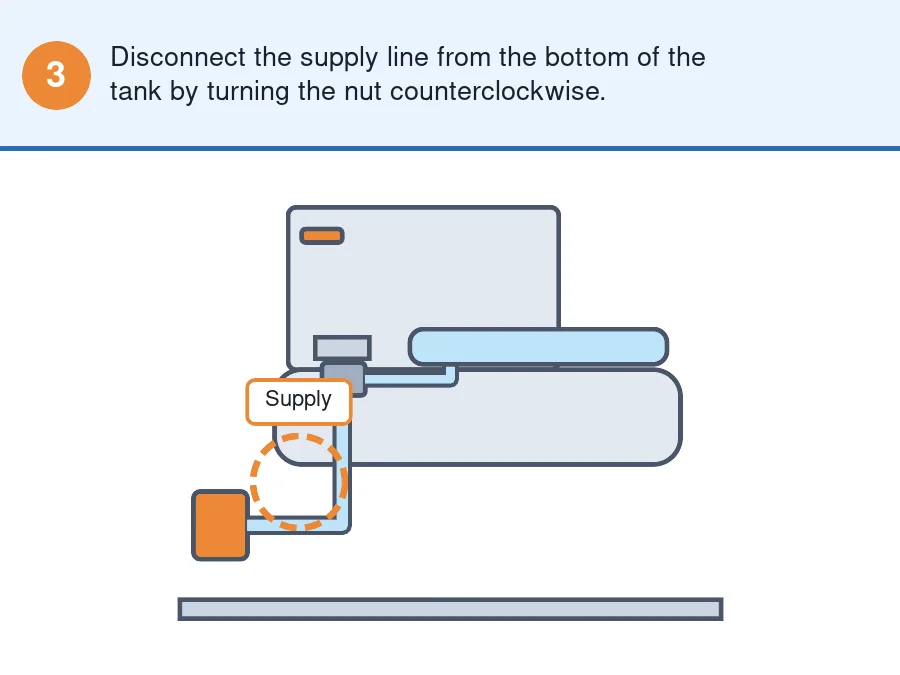
3. Disconnect the supply line from the bottom of the tank by turning the nut counterclockwise. Have a towel and a bucket ready, since some water will drip out.
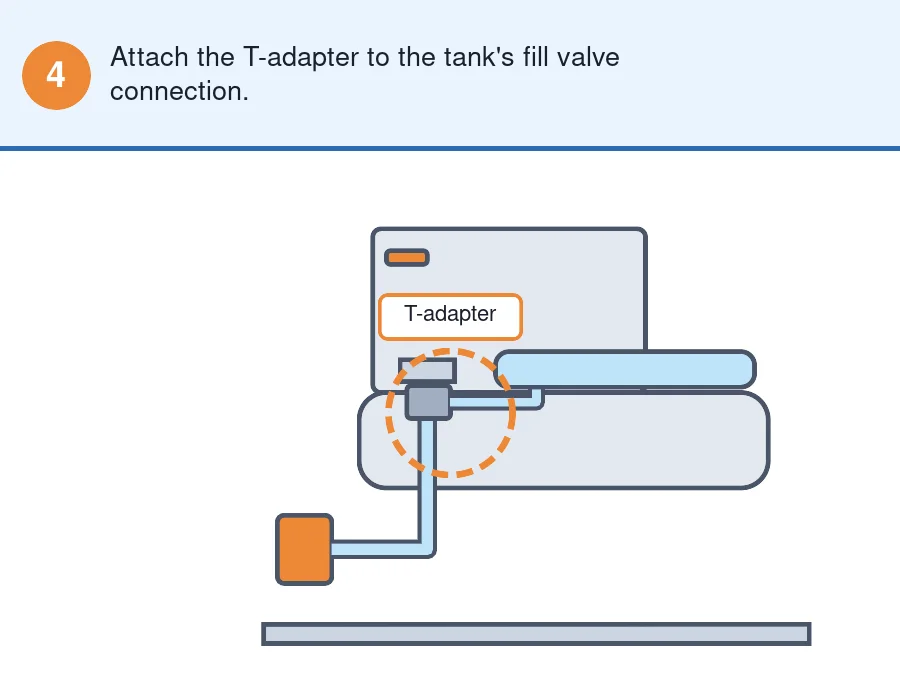
4. Attach the T-adapter to the tank's fill valve connection. Wrap the threads with plumber's tape, if the kit says so. Tighten by hand, then a quarter turn with a wrench.
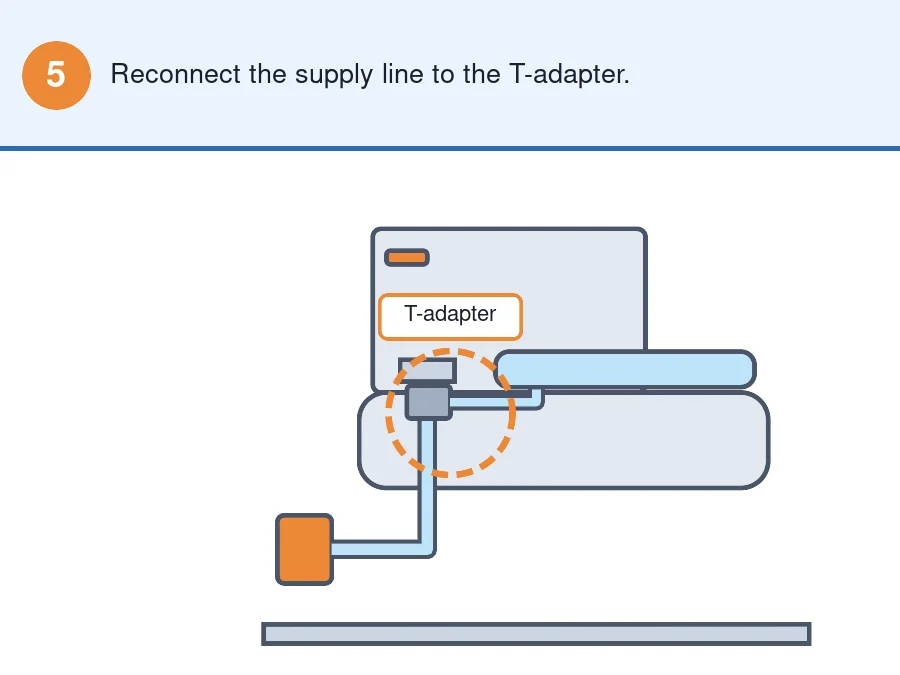
5. Reconnect the supply line to the T-adapter. Connect the bidet hose to the other port.
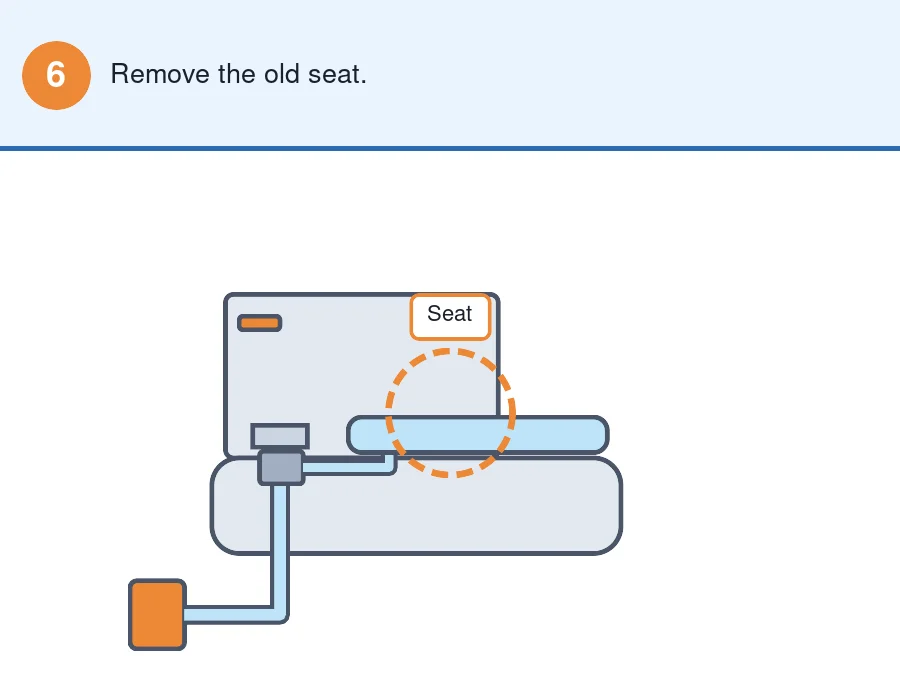
6. Remove the old seat. Lift the caps on the hinge bolts, remove the nuts from below and pull off the seat.
7. Install the mounting plate. Place the plate over the bolt holes and tighten the bolts. Slide the plate into the right position so the seat will line up with the bowl.
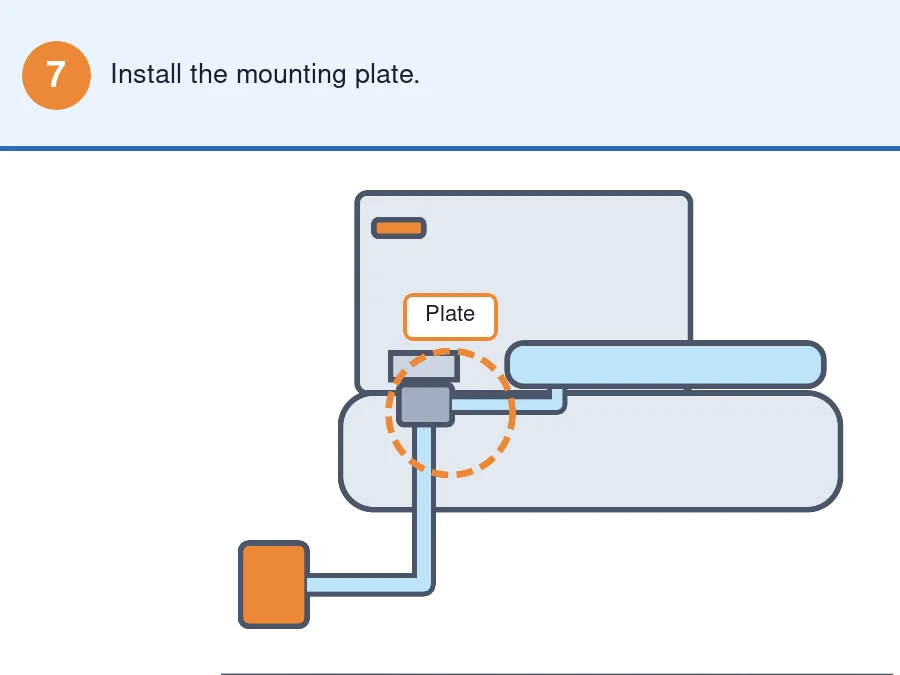
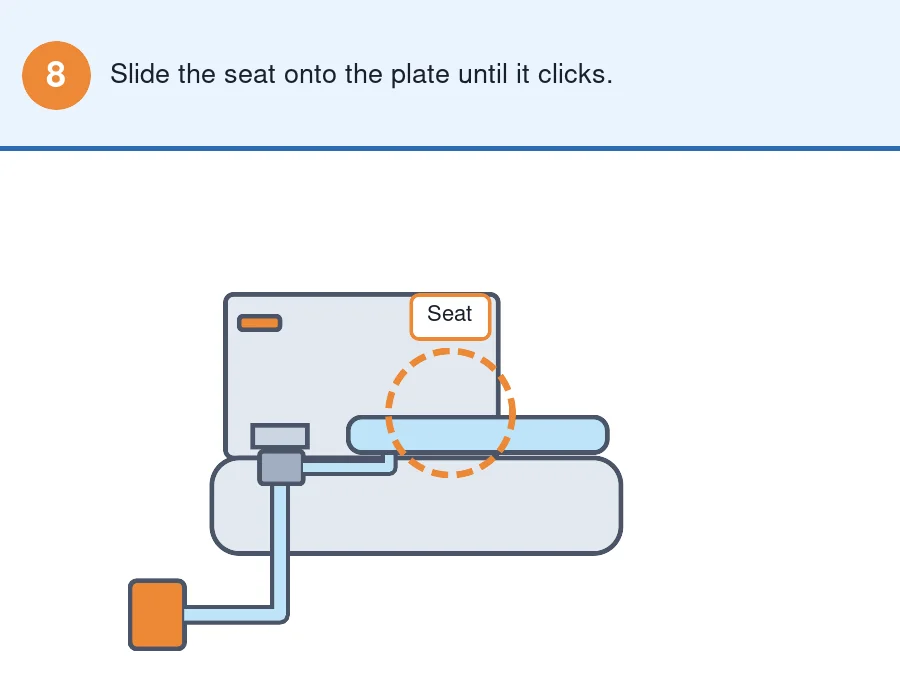
8. Slide the seat onto the plate until it clicks. Make sure it is level and centered.
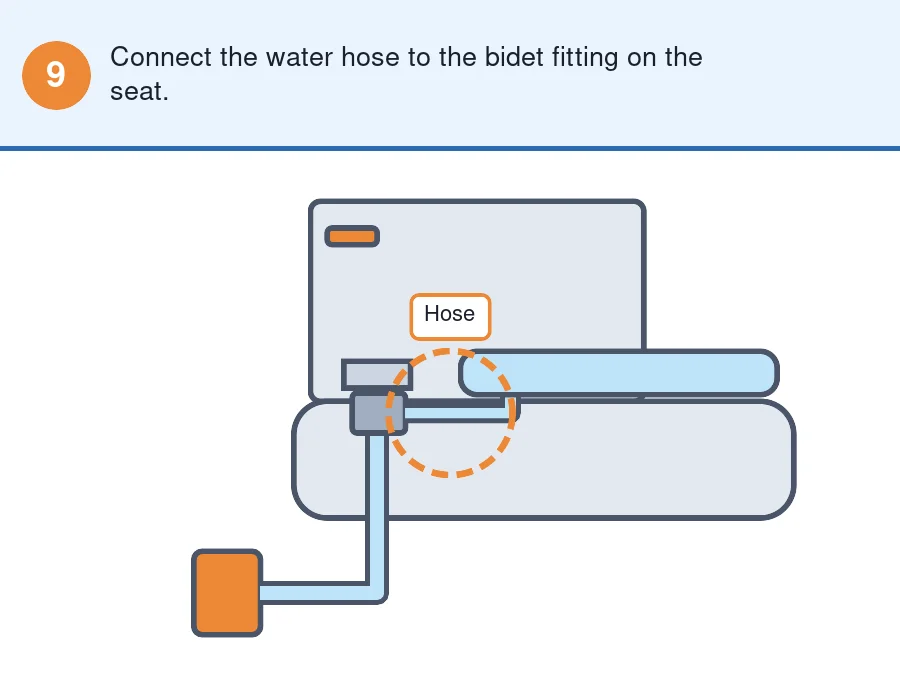
9. Connect the water hose to the bidet fitting on the seat.
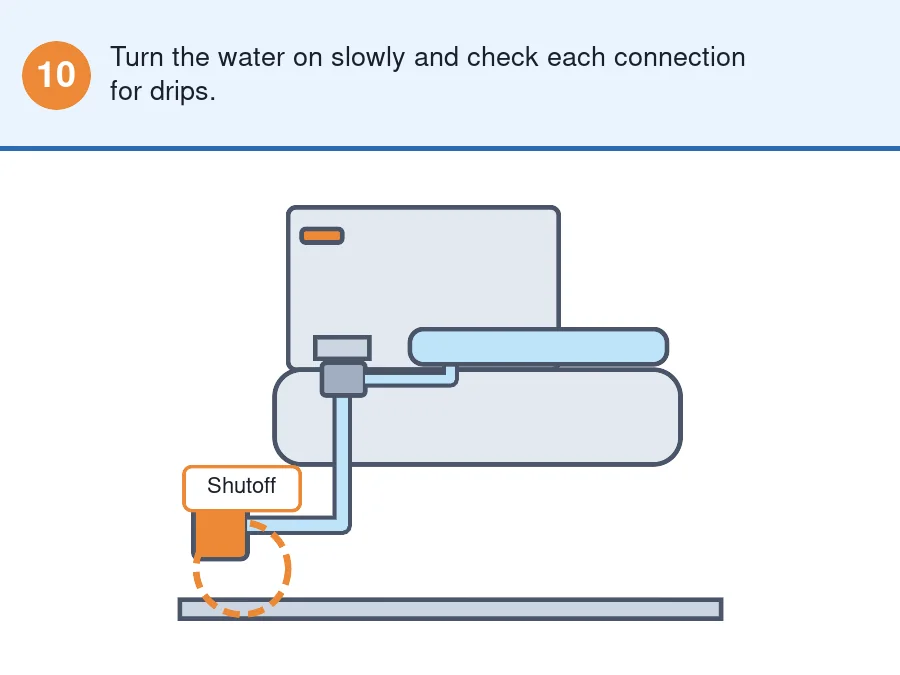
10. Turn the water on slowly and check each connection for drips.
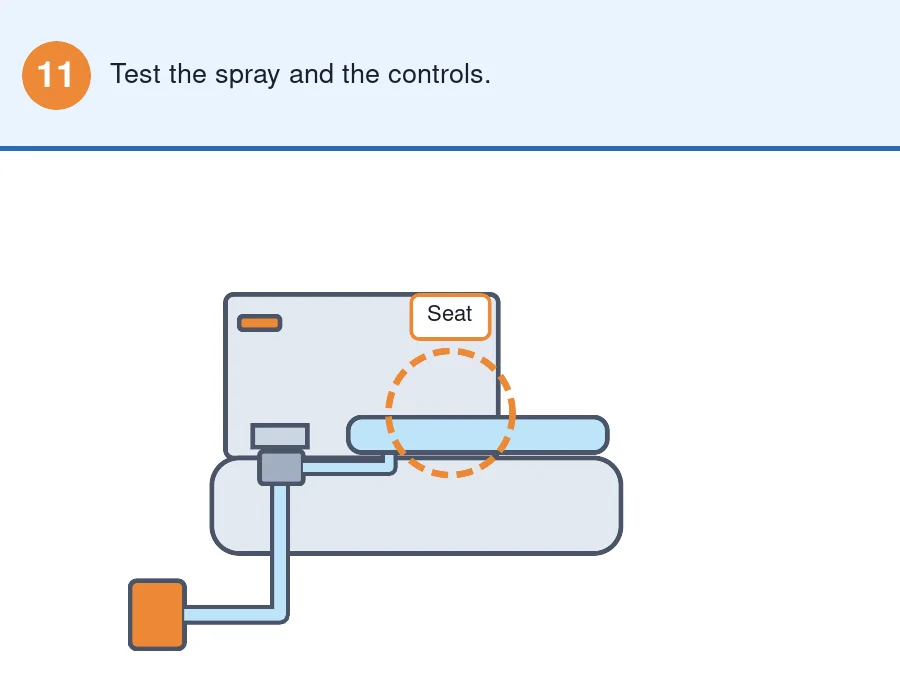
11. Test the spray and the controls. Adjust the pressure and position.
Signs that point to each problem
A drip at the T-adapter means a loose connection or missing tape. A drip at the shutoff valve means a worn valve. Weak spray points to a low pressure setting, a kinked hose or a clogged nozzle. A seat that moves side to side is not tightened to the mounting plate. A toilet that keeps running after the install may have a fill valve problem. See Toilet keeps running after flush: fill tube.
Care and cleaning
Wipe the seat and nozzle with a soft cloth and a mild cleaner. Use the self-cleaning feature if the model has one. Do not use strong chemicals, which can damage the seals. Check the connections once a month for leaks. Clean the filter screen at the water inlet, if your model has one.
Cold water note
A non-electric bidet seat uses cold water, which is cold in winter. Some people prefer a model with a warm water option, which needs power. Both work well, so choose what suits your home.
Prevention
Check the hose and fittings once a year. Do not overtighten plastic parts. Keep the nozzle clean. Replace the seat if the hinges wear out. See How to replace a toilet seat for standard seat tips.
Water pressure and spray settings
Most bidet seats work well at normal house pressure. If the spray is too strong, turn the pressure knob down. If it is too weak, check that the shutoff valve is fully open and that the hose is not kinked. Many seats have a front wash and a rear wash, and a movable nozzle. Try each setting a few times, since the best angle depends on the person and the seat position.
Common fit problems
If the seat will not slide onto the mounting plate, check that the plate is square to the bowl and tight. If the seat hits the tank lid, you may need a model with a slimmer base or a raised hinge. If the toilet bolts are too short, buy longer bolts. If the bowl is a different shape, return the seat for the right one before you cut any packaging. Keep your receipt until the seat is installed and working.
Related guides
- How to Install a Bathroom Vanity Top and Sink
- How to Install a Towel Bar That Stays on the Wall
- How to Paint a Bathroom Vanity So It Survives the Steam
- Low Water Level Toilet Bowl: How to Fix It
- How to Measure for a New Toilet
- How to Install a Shower Seat That Is Safe to Sit On
FAQ
Will a bidet seat fit my toilet?
Most standard toilets, if you pick the right shape.
Do I need a plumber?
Not usually. The job needs only simple tools.
Does it need electricity?
Basic models do not. Heated models do.
Can I use it with a low flow toilet?
Yes. It uses very little water.
More from this topic
- How to Replace a Toilet Seat: A Simple Step by Step Guide: Learn how to replace a toilet seat in 15 minutes. Measure the bowl, remove old bolts, fit the new seat and...
- How to Install a Toilet Seat: The Ten-Minute Swap: How to install a toilet seat: measure for round or elongated, remove the old bolts, set the new seat and...
- How to Fix a Loose Toilet Seat or Wobbly Toilet: How to fix a loose toilet seat or wobbly toilet: tighten seat bolts, snug the base bolts, and shim the base....
- How to Fix a Toilet Seat That Slides or Will Not Stay Up: Learn how to fix a toilet seat that slides: tighten the hinge bolts, replace worn hinges, deal with a loose...
- How to Install a Bathroom Vanity (Replacement Guide): Install a bathroom vanity by removing the old cabinet, setting and leveling the new one, anchoring it to...
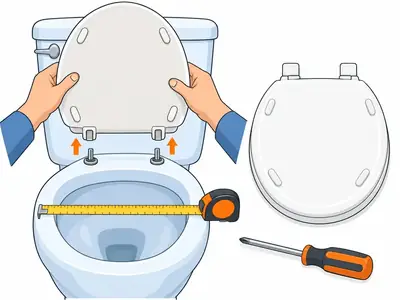 BathroomHow to Replace a Toilet Seat: A Simple Step by Step GuideLearn how to replace a toilet seat in 15 minutes. Measure the bowl, remove old bolts, fit the new seat and tighten it so it does not slide. Easy steps.
 PlumbingHow to Install a Toilet Seat: The Ten-Minute SwapHow to install a toilet seat: measure for round or elongated, remove the old bolts, set the new seat and align it. The easiest bathroom upgrade.
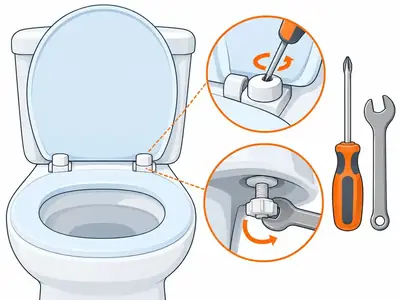 BathroomHow to Fix a Loose Toilet Seat or Wobbly ToiletHow to fix a loose toilet seat or wobbly toilet: tighten seat bolts, snug the base bolts, and shim the base. Learn when a leak means a new wax ring.
 BathroomHow to Fix a Toilet Seat That Slides or Will Not Stay UpLearn how to fix a toilet seat that slides: tighten the hinge bolts, replace worn hinges, deal with a loose seat on an odd pan and stop it slipping sideways.
 BathroomHow to Install a Bathroom Vanity (Replacement Guide)Install a bathroom vanity by removing the old cabinet, setting and leveling the new one, anchoring it to studs, and reconnecting the drain and supply lines.