
How to Install a Toilet Seat: The Ten-Minute Swap
Part of: Basic plumbing
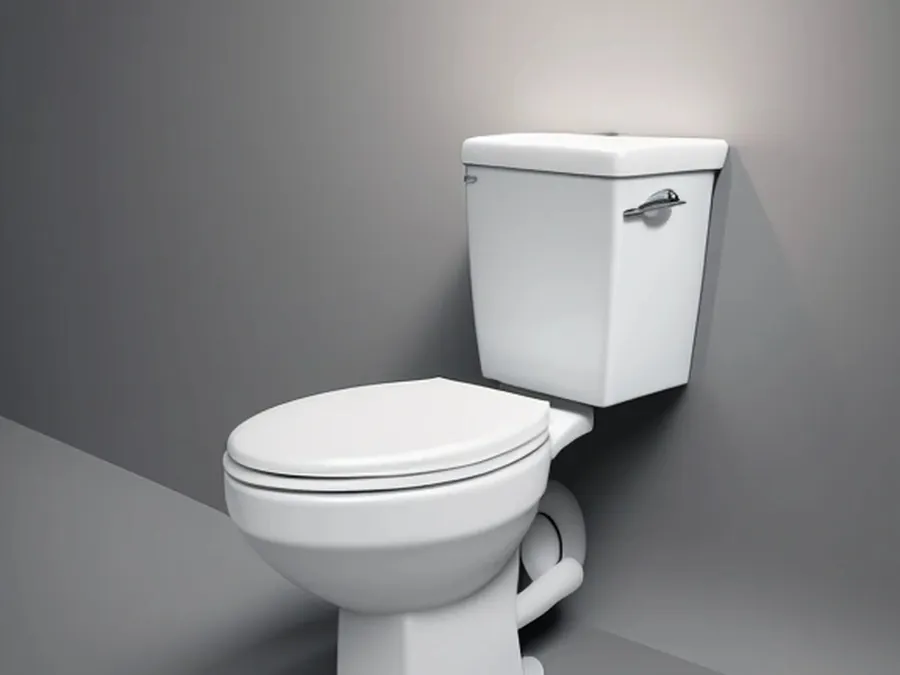
- Difficulty
- Easy
- Time
- 10 to 20 minutes
- Tools
- A screwdriver, an adjustable wrench, the correct replacement seat
- Call a pro if
- The bowl itself is cracked around the bolt holes, since no seat fixes a cracked bowl and it is time for a new toilet.
In this guide
- Wear protection
A wobbly, stained or cracked toilet seat makes the whole bathroom feel tired, and how to install a toilet seat is genuinely one of the easiest repairs in the house: two bolts, ten minutes, no plumbing knowledge required. Here is the whole job, including the trick for the one part that ever fights back.
1. Measure before you buy
Two shapes, one measurement.
1. Toilets come in round and elongated; measure the bowl from the bolt holes to the front edge.
2. About 16.5 inches means round, about 18.5 means elongated.
3. Measure between the bolt holes too; standard spacing fits most seats.
4. Take a photo of the bowl shape to the store if in doubt; it settles the question instantly.
2. Choose your features
The upgrades worth the few dollars.
1. Soft-close hinges end the midnight slam forever.
2. Quick-release hinges pop the seat off for cleaning, the feature everyone wishes they had bought.
3. Plastic resists staining; wood feels warmer but needs gentler cleaners.
4. Match the bolt style to your bowl: top-mount for most, bottom-mount for open-back bowls.
3. Remove the old seat
Two bolts, one possible fight.
1. Pop the hinge caps and unscrew the bolts, holding the nuts underneath.
2. Corroded metal bolts that will not turn get penetrating oil and ten minutes of patience.
3. A bolt that still will not budge gets cut with a hacksaw blade through the gap; protect the porcelain with tape.
4. Clean the bolt area fully before the new seat goes on.
4. Set the new seat
Alignment before tightening.
1. Place the seat with the bolts through the bowl holes.
2. Sit-test the alignment: the seat should center over the bowl with even overhang.
3. Many seats have adjustable hinges that slide for exact positioning.
4. Hand-start the nuts so nothing cross-threads.
5. Tighten to snug, not heroic
The only force decision in the job.
1. Tighten each side alternately, a little at a time, to keep the seat centered.
2. Snug is enough; over-tightening cracks plastic hinges and porcelain.
3. Nylon bolts get a final firm hand-turn, metal bolts a careful quarter turn with the wrench.
4. Snap the hinge caps down when the seat sits true.
6. Test like a skeptic
Thirty seconds of quality control.
1. Lift and drop the seat gently; soft-close should glide, not fall.
2. Sit and shift; any wobble means one more snug on the loose side.
3. Check the lid closes without touching the flush button on close-fitting bowls.
4. A seat that loosens weekly needs its hinge washers replaced or upgraded.
7. Keep it working
The sixty-second maintenance habit.
1. Wipe hinges during regular bathroom cleaning; grime is what loosens them.
2. Avoid bleach-heavy cleaners on the hinges; they corrode metal and cloud plastic.
3. Re-snug the bolts at the first wobble instead of the tenth.
4. A loose seat that keeps moving cracks its own hinges; how to fix a loose toilet seat or wobbly toilet covers the stubborn cases.
Common mistakes
- Buying round for an elongated bowl and discovering it at the bowl.
- Over-tightening until the hinge cracks.
- Skipping the alignment check and living with an off-center seat.
- Forcing corroded bolts until the tool slips against the porcelain.
- Ignoring a developing wobble until the hinge breaks.
Related guides
- How to Install a Toilet: Set, Seal and Connect
- How to Replace a Faucet: Remove, Fit and Test
- How to Replace a Shower Arm: Swap the Pipe, Not the Wall
- How to Replace a Toilet Seat: A Simple Step by Step Guide
FAQ
How do you install a toilet seat?
Remove the two bolts at the hinge, lift the old seat, clean the area, set the new seat aligned over the bowl, and snug the bolts alternately. Ten minutes with a screwdriver and wrench.
Are toilet seats universal?
Nearly. Bowls are round or elongated, so measure bolt holes to front edge: about 16.5 inches is round, 18.5 is elongated. Standard bolt spacing fits most seats.
Why does my new toilet seat keep coming loose?
Hinges loosen from side-to-side movement. Snug the bolts, and if it recurs, add rubber washers or choose a seat with a no-slip hinge design. Re-tighten at the first wobble, not the tenth.
Can you replace a toilet seat without tools?
Many modern seats hand-tighten, especially nylon bolt designs. A screwdriver and small wrench handle the rest; corroded old bolts may need penetrating oil or careful cutting.
More from this topic
- How to Replace a Shower Head: The 15-Minute Upgrade: How to replace a shower head: remove the old one, tape the threads, tighten the new one and test for drips....
- How to Replace a Faucet: Remove, Fit and Test: How to replace a faucet: shut off, disconnect, swap and test, with the basin wrench tricks and supply line...
- How to Replace a Shower Arm: Swap the Pipe, Not the Wall: How to replace a shower arm: unscrew the old arm, tape the threads and set the new one, plus the fix when it...
- How to Install a Toilet: Set, Seal and Connect: How to install a toilet: set the wax ring, seat the bowl, bolt it down and connect the water, with the...
- How to Replace a Shower Valve: How to replace a shower valve: open the wall, swap the mixing valve, sweat or crimp the connections and close...
 PlumbingHow to Replace a Shower Head: The 15-Minute UpgradeHow to replace a shower head: remove the old one, tape the threads, tighten the new one and test for drips. The easiest plumbing upgrade there is.
 PlumbingHow to Replace a Faucet: Remove, Fit and TestHow to replace a faucet: shut off, disconnect, swap and test, with the basin wrench tricks and supply line checks that make it a one-afternoon job.
 PlumbingHow to Replace a Shower Arm: Swap the Pipe, Not the WallHow to replace a shower arm: unscrew the old arm, tape the threads and set the new one, plus the fix when it snaps or spins in the wall.
 PlumbingHow to Install a Toilet: Set, Seal and ConnectHow to install a toilet: set the wax ring, seat the bowl, bolt it down and connect the water, with the leveling steps that prevent rocking and leaks.
 PlumbingHow to Replace a Shower ValveHow to replace a shower valve: open the wall, swap the mixing valve, sweat or crimp the connections and close it up right.