
How to Install a Dishwasher: A Beginner's Guide
Part of: Appliances
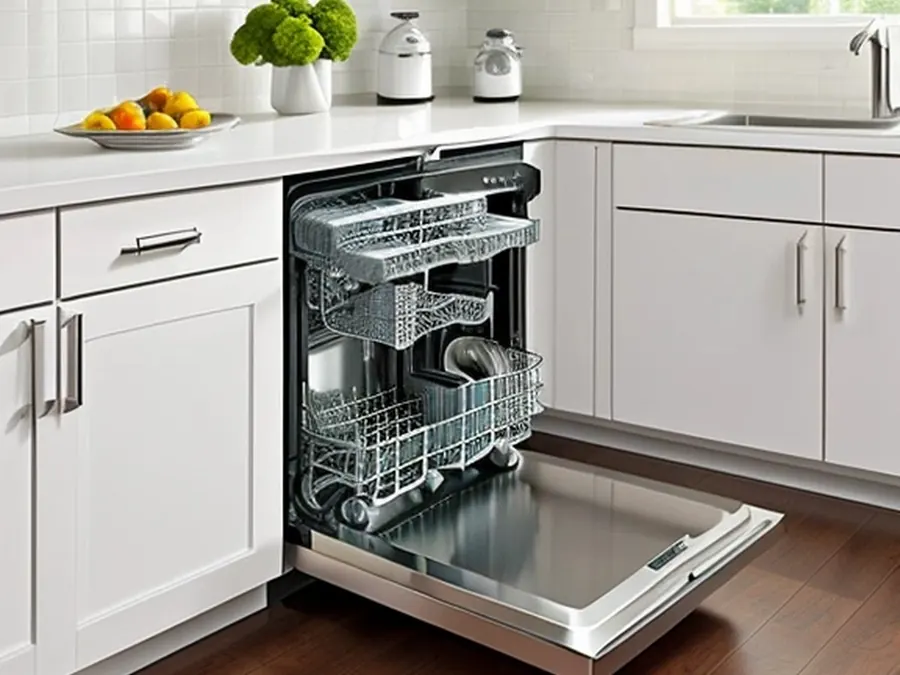
- Difficulty
- Moderate
- Time
- 2 to 3 hours
- Tools
- An adjustable wrench, a screwdriver, a bucket, pliers, a level
- Call a pro if
- The shutoff valve will not close, the wiring looks scorched or there is no existing hookup, since those are plumber or electrician jobs.
In this guide
- Power off first
- Water off first
A dishwasher replacement is a three-connection job: water in, drain out, power on. How to install a dishwasher without leaks or callbacks comes down to dry-installing the hoses, leveling the machine and watching the first full cycle. This guide walks through the whole swap, old machine out to first load in.
1. Disconnect the old dishwasher
The removal sets up the install.
1. Shut the water valve under the sink and flip the breaker labeled dishwasher.
2. Open the lower access panel and disconnect the water line over the bucket.
3. Disconnect the drain hose and the power connection; hardwired machines need the breaker confirmed dead first.
4. Remove the two mounting screws at the top of the door frame and slide the old unit out.
2. Prepare the new machine
Everything connects before it slides in.
1. Tip the new machine on its back with a blanket under it.
2. Attach the water supply line to the inlet valve, usually with the elbow pointing toward the side cabinet wall.
3. Attach the drain hose to the pump outlet and clamp it snug.
4. Route both lines toward the opening so they pull through as the machine slides in.
3. Set the drain line correctly
The step that stops dirty sink water in your dishwasher.
1. Route the drain hose to the disposal or the sink tailpiece connection.
2. Loop the hose up to the underside of the counter and clamp it; the high loop keeps drain water from flowing back.
3. A disposal connection needs the knockout plug removed; a new disposal ships with it sealed.
4. Keep the hose kink-free; a kinked drain line causes standing water and smells.
4. Slide the machine into the opening
The tight fit is normal.
1. Feed the hoses through the cabinet hole as the machine slides back.
2. Keep the machine centered; the door should not rub either cabinet side.
3. Check the level front to back and side to side, adjusting the feet until the bubble centers.
4. Open and close the door; it should stay put at any angle, not slam or spring.
5. Connect the water and power
The final hookups.
1. Connect the supply line to the shutoff valve under the sink, hand-tight plus a quarter turn.
2. Plug the machine in, or complete the hardwired connection with the breaker still off.
3. Turn the water on slowly and check both ends of the supply line with a dry paper towel.
4. Flip the breaker or switch the outlet on only after the water connections pass dry.
6. Secure and run the test cycle
The watched first wash.
1. Drive the two mounting screws into the underside of the counter through the brackets.
2. Run a full empty cycle and watch the drain connection during the pump-out.
3. Check under the sink and under the machine's access panel for drips.
4. A leak at the drain hose clamp or supply fitting is a re-seat, not a repair call.
7. Keep it running well
The habits that prevent the service call.
1. Scrape, never pre-rinse; the machine's sensors need some soil to work.
2. Clean the filter monthly; a clogged filter is the top cause of poor cleaning.
3. Check the door gasket for drips at the first sign of a wet floor.
4. How to load a dishwasher correctly and dishwasher maintenance checklist cover daily use and upkeep.
Common mistakes
- Forgetting the knockout plug in the disposal, leaving the drain dead-ended.
- Skipping the high drain loop and inviting sink water into the machine.
- Pinching the supply line behind the machine during the slide-in.
- Over-tightening the supply connection and crushing the washer.
- Walking away from the first cycle and missing the leak it would have shown.
Related guides
- How to Install a Utility Sink in a Laundry Room
- How to Install a Washing Machine: Hook It Up Right
- How to Install a Water Softener: The Basics
- How to Replace a Dishwasher Drain Hose
- How to Replace a Dishwasher Supply Line
- How to Clean a Dishwasher So It Cleans Like New
FAQ
How do you install a dishwasher yourself?
Connect the water supply line, route the drain hose with a high loop, make the power connection, slide the machine into the opening, level it and run a watched empty cycle. Two to three hours with basic tools.
Does a dishwasher need a high loop?
Yes. The drain hose has to loop up and be secured under the countertop before it runs down to the drain connection, or else it must go through an air gap on the counter. Without it, sink water can siphon back into the dishwasher.
Can you connect a dishwasher to a garbage disposal?
Yes, most kitchen installs drain through the disposal. Remove the knockout plug inside the disposal's dishwasher inlet first; a new disposal ships with it sealed, and a dead-ended drain floods the machine.
How long does it take to install a dishwasher?
A like-for-like replacement takes two to three hours for a careful DIYer. A first-time install with new supply and drain lines takes longer and often needs a plumber.
More from this topic
- How to Install a Toilet: Set, Seal and Connect: How to install a toilet: set the wax ring, seat the bowl, bolt it down and connect the water, with the...
- How to Install a Toilet Seat: The Ten-Minute Swap: How to install a toilet seat: measure for round or elongated, remove the old bolts, set the new seat and...
- How to Install a Washing Machine: Hook It Up Right: How to install a washing machine: connect the hoses, level the machine, set the drain and run the test cycle...
- How to Install a Fridge Water Line for the Ice Maker: How to install a fridge water line: tap the cold supply, run the tubing to the fridge and connect the ice...
- How to Install a Shower Faucet: Trim and Handle: How to install a shower faucet trim kit: swap the handle, escutcheon and controls onto your existing valve...
 PlumbingHow to Install a Toilet: Set, Seal and ConnectHow to install a toilet: set the wax ring, seat the bowl, bolt it down and connect the water, with the leveling steps that prevent rocking and leaks.
 PlumbingHow to Install a Toilet Seat: The Ten-Minute SwapHow to install a toilet seat: measure for round or elongated, remove the old bolts, set the new seat and align it. The easiest bathroom upgrade.
 PlumbingHow to Install a Washing Machine: Hook It Up RightHow to install a washing machine: connect the hoses, level the machine, set the drain and run the test cycle that prevents floods.
 PlumbingHow to Install a Fridge Water Line for the Ice MakerHow to install a fridge water line: tap the cold supply, run the tubing to the fridge and connect the ice maker without leaks.
 PlumbingHow to Install a Shower Faucet: Trim and HandleHow to install a shower faucet trim kit: swap the handle, escutcheon and controls onto your existing valve for a fresh look.