
How to Replace a Dishwasher Supply Line
Part of: Appliances
- Difficulty
- Medium
- Time
- 30 to 60 minutes
- Tools
- Adjustable wrench, pliers, bucket, towels, flashlight, thread seal tape, new supply line, screwdriver
- Call a pro if
- The shutoff valve leaks or will not turn, the fittings are corroded or the dishwasher is hard to pull out. A plumber can help.
In this guide
- Power off first
- Water off first
- Wear protection
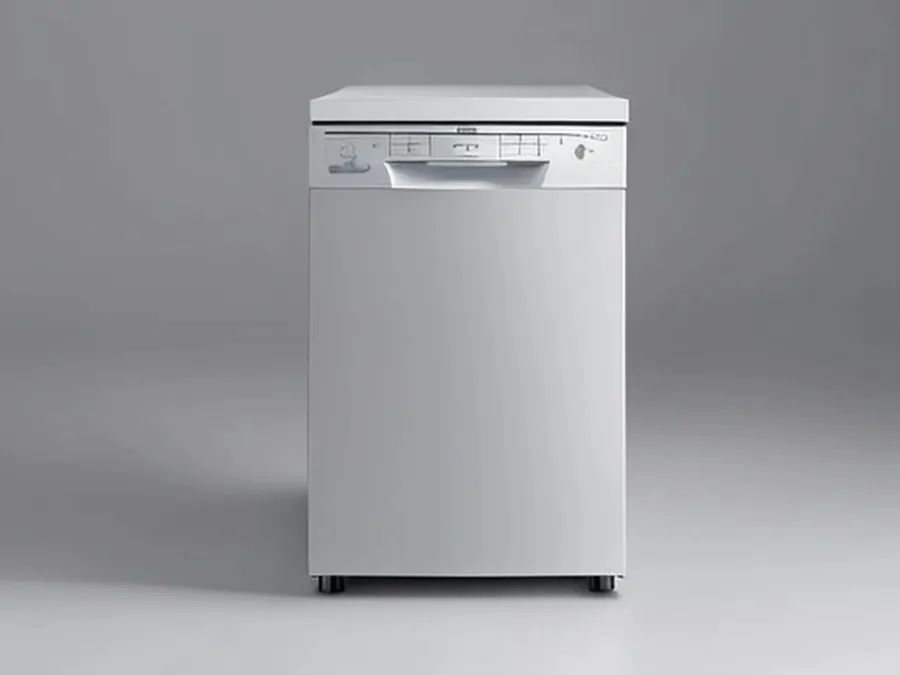
A cracked, kinked or leaking supply line can flood a kitchen cabinet. Replacing it takes a short time and a few tools. How to replace a dishwasher supply line starts with how the old line connects, usually a braided line from the shutoff valve under the sink.
Before you start
Check the old line to see how it connects. Most dishwashers use a braided line from the shutoff valve under the sink to an inlet valve at the front bottom corner of the machine. Take the old line with you or note its length and the fittings so you buy the right size. Choose a line made for dishwashers.
1. Gather the parts
1. Check the old line for length and fittings.
2. Buy a new dishwasher supply line of the right size.
3. Check the shutoff valve type.
4. Have thread seal tape ready if the line needs it.
2. Turn off the power
1. Switch off the breaker for the dishwasher.
2. Confirm the display is off.
3. Open the door and check it is dead.
4. Place towels under the sink.
3. Close the water
1. Turn the shutoff valve under the sink to the closed position.
2. Open the dishwasher door to check no water enters.
3. Place a bucket under the connection.
4. Keep the area dry.
4. Disconnect at the valve
1. Hold the valve steady with one wrench.
2. Loosen the nut on the old line with another.
3. Let water drain into the bucket.
4. Remove the line from the valve.
5. Open the access panel
1. Remove the lower kick plate on the dishwasher.
2. Find the inlet valve and the line connection.
3. Place a towel under it.
4. Loosen the fitting with a wrench.
6. Fit the new line
1. Connect the new line to the inlet valve and hand tighten.
2. Give it a quarter turn with a wrench.
3. Run the line to the shutoff valve.
4. Connect and tighten gently, without kinks.
7. Check the route
1. Make sure the line has a gentle curve.
2. Keep it away from sharp edges and hot parts.
3. Check it does not touch the drain hose.
4. Replace the kick plate.
8. Turn on and test
1. Open the shutoff valve slowly.
2. Check for drips at both ends.
3. Restore power and run a short cycle.
4. Check again after the cycle.
Quick tips
- Replace supply lines every five to ten years, since they age.
- Use a braided stainless line rather than plain plastic.
- Write the install date on a piece of tape near the valve.
- Check under the sink once a month for moisture.
When to stop and call a pro
Call a plumber if the shutoff valve leaks, will not close fully or the pipe moves when you turn it. Do not force a corroded fitting. Stop and call help if you find water damage in the cabinet floor, mold or soft wood. If the dishwasher still leaks after a new line, the inlet valve or the door seal may be at fault. Keep the main water shutoff location in mind in case something goes wrong while you work.
Related guides
- How to replace a supply line braided hose
- Dishwasher leaking from the door
- How to unclog a dishwasher drain hose
- How to Replace a Dishwasher Door Gasket
Common mistakes
- Working with the power on.
- Overtightening the fittings.
- Kinking the line.
- Skipping the leak check.
- Reusing an old, worn line.
FAQ
How long do supply lines last?
Often five to ten years.
Can I use any hose?
Use a line made for dishwashers.
Do I need tape on the threads?
Some fittings use a washer instead. Follow the line's instructions.
Why is there water under my dishwasher?
A leak could come from the supply line, the inlet valve, the drain hose or the door gasket.
More from this topic
- How to Replace a Dishwasher Drain Hose: Learn how to replace a dishwasher drain hose: cut the power and water, remove the old hose at both ends, fit...
- How to Replace a Toilet Supply Line That Leaks or Is Old: Learn how to replace a toilet supply line. Turn off the water, drain the tank, remove the old line and attach...
- How to Replace a Supply Line: Learn how to replace a supply line for a faucet or toilet. Measure, shut off the water, swap the braided hose...
- How to Replace Washing Machine Hoses to Prevent Leaks: Learn how to replace washing machine hoses, spot signs of wear and connect hot and cold lines correctly to...
- Water Heater Drain Valve Leak: How to Fix It: Water heater drain valve leak? Learn how to tighten, cap or replace the valve safely, and when to call a...
 PlumbingHow to Replace a Dishwasher Drain HoseLearn how to replace a dishwasher drain hose: cut the power and water, remove the old hose at both ends, fit a new one with a high loop and test for leaks.
 BathroomHow to Replace a Toilet Supply Line That Leaks or Is OldLearn how to replace a toilet supply line. Turn off the water, drain the tank, remove the old line and attach a new braided one without leaks.
 KitchenHow to Replace a Supply LineLearn how to replace a supply line for a faucet or toilet. Measure, shut off the water, swap the braided hose and check for leaks. Simple steps and tips.
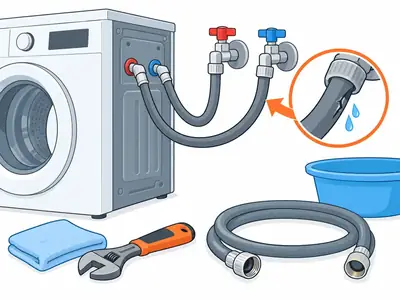 PlumbingHow to Replace Washing Machine Hoses to Prevent LeaksLearn how to replace washing machine hoses, spot signs of wear and connect hot and cold lines correctly to avoid leaks and flood damage in your laundry room.
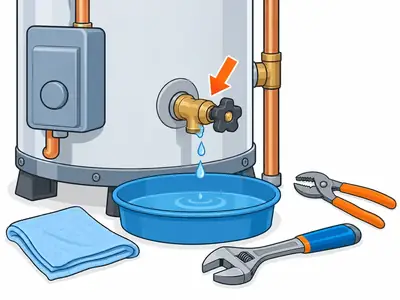 PlumbingWater Heater Drain Valve Leak: How to Fix ItWater heater drain valve leak? Learn how to tighten, cap or replace the valve safely, and when to call a plumber. Steps, tools and safety notes included.