
How to Fix a Toilet Seat That Slides or Will Not Stay Up
Part of: Basic plumbing
- Difficulty
- Easy
- Time
- 15 to 45 minutes
- Tools
- Screwdriver, adjustable wrench or a plastic nut tool, new hinges or a complete seat, silicone washer set, cloth and mild cleaner, gloves
- Call a pro if
- The pan itself is loose or moves, or the fixing holes in the pan are cracked or stripped, since those are toilet fixing problems rather than seat problems.
In this guide
- Wear protection
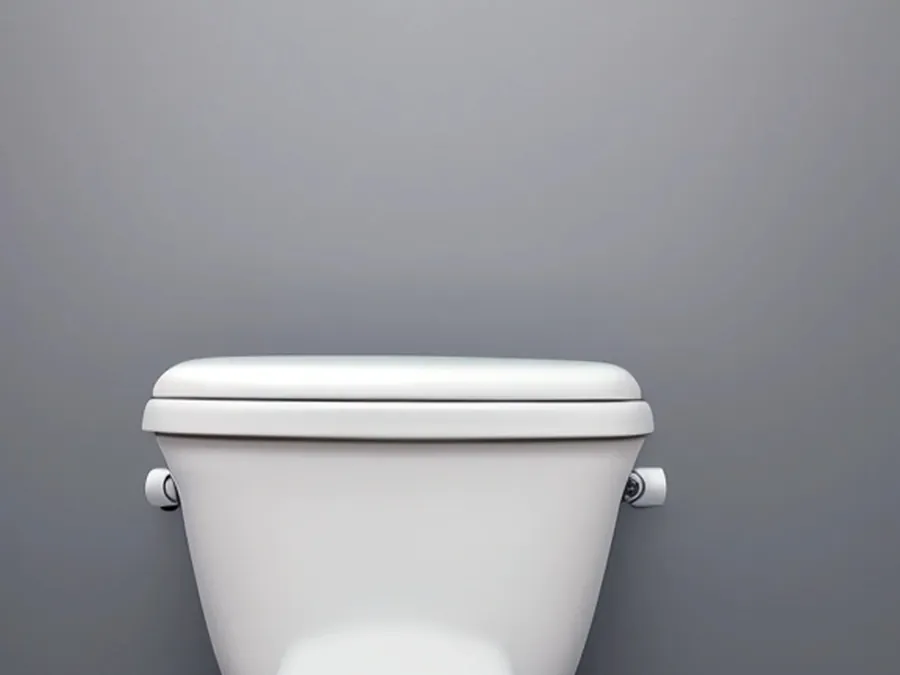
A toilet seat that slides sideways is annoying, and a seat that will not stay up is worse. Both come from the same place: the hinges. Either the bolts have loosened, the hinge has worn, or the seat was installed with the wrong hardware for the pan. All three are quick to fix. Here is how to fix a toilet seat that slides.
This guide is part of our wider guide to toilet problems.
1. Clean and inspect
1. Clean and disinfect the seat and around the hinges.
2. Open the seat and look at the hinge hardware.
3. Check whether the bolts are loose, the hinge is cracked, or the seat moves at the hinge rather than sliding on the pan.
A seat that slides but has tight bolts usually has worn hinge pins or a hinge that no longer grips the pan.
2. Tighten the hinge bolts
Most seats fix with two bolts through the pan, accessed from below or from the top under caps.
1. Lift the seat and locate the hardware.
2. Hold the nut underneath with a wrench and turn the screw from above, or the reverse if the fixing is a top-fix type.
3. Tighten until the seat is firm but the hinge still moves freely.
4. Check the seat is centered and square on the pan.
Do not over tighten; plastic nuts and hinges crack.
3. Check the washers
Most seats use a rubber or plastic washer between the hinge and the pan. A missing or hardened washer lets the seat slide no matter how tight the bolt is.
Take the bolt out, fit a new washer, and refit. A hardware store sells a small pack of seat washers for very little.
4. Replace worn hinges
If the hinge pins are worn, no amount of tightening will stop the slide.
1. Note the hinge type and the distance between the fixing holes.
2. Buy a replacement hinge set for the same spacing, or a complete seat.
3. Take the old hinges off, clean the pan around the holes.
4. Fit the new hinges with their washers and tighten evenly.
Replacing the whole seat is often simpler and not much more expensive than finding matching hinges.
5. Deal with a seat that will not stay up
A seat that falls forward has one of three problems:
- Loose hinges: the seat is not gripping, so it drops. Tighten or replace.
- A warped or lightweight seat: some thin plastic seats simply do not balance. A heavier seat or one with a soft-close mechanism stays up.
- A seat installed too far forward: reposition it so the center of gravity is behind the hinge.
Soft-close seats stay up reliably and are quiet, which is worth considering if the seat is being replaced anyway.
6. Check the pan and the hardware
If the seat still moves, look at the pan:
- Are the fixing holes elongated or cracked? That needs a repair plate or a different fixing.
- Does the pan itself move? That is a toilet fixing problem, and a moving pan can break the seal and leak. Our guide on fixing a loose toilet seat or wobbly toilet covers the pan hardware.
7. Fit a seat properly next time
- Match the seat to the pan shape: round, oval or square, and the right width.
- Use the washers supplied, and fit them the right way round.
- Tighten evenly, alternating between the two bolts.
- Check the seat closes squarely and does not rock.
8. Keep it tight
- Check the hinge bolts every few months; they loosen with use.
- Clean with a mild cleaner rather than a harsh one, which can degrade plastic hinges.
- Do not use the seat as a step or a shelf.
Common mistakes
- Overtightening and cracking the hinge or the pan.
- Replacing the seat when only the washers are worn.
- Ignoring a loose pan and blaming the seat.
- Buying a seat without checking the pan shape and hole spacing.
- Using a harsh cleaner that softens the plastic.
Related guides
- How to Fix a Bathroom Mirror Cabinet That Will Not Close or Hangs Crooked
- Replace Toilet Flush Handle in 15 Minutes
- How to Fix a Running Toilet: 5 Easy Repairs
- Toilet Flushes Weakly: How to Fix It
- How to Replace a Toilet Seat: A Simple Step by Step Guide
- How to Install a Bidet Seat on Your Toilet Step by Step
FAQ
Why does my toilet seat keep coming loose?
Usually missing or hardened washers, or plastic hinges that have worn. New washers or hinges fix it.
How do I stop a toilet seat sliding sideways?
Tighten the hinge bolts, fit new washers, and if the hinges are worn, replace them or the seat.
Why will my toilet seat not stay up?
Loose hinges or a lightweight seat. A soft-close or heavier seat stays up better.
Can I replace just the hinges?
Yes, if you can find hinges with the same hole spacing. Often a complete seat is easier.
More from this topic
- How to Fix a Loose Toilet Seat or Wobbly Toilet: How to fix a loose toilet seat or wobbly toilet: tighten seat bolts, snug the base bolts, and shim the base....
- How to Fix a Toilet Handle That Sticks: Learn how to fix a toilet handle that sticks: check the chain and lever arm, clear the corrosion, adjust the...
- Low Water Level Toilet Bowl: How to Fix It: Toilet bowl water too low or dropping? Check the fill tube, vent, trap and tank for a low water level toilet...
- How to Install a Shower Seat That Is Safe to Sit On: Learn how to install a shower seat: choose a wall mounted or freestanding type, fix it into framing or rated...
- Replace Toilet Flush Handle in 15 Minutes: Handle loose or stuck? Replace toilet flush handle parts, match the mount side and adjust the chain so it...
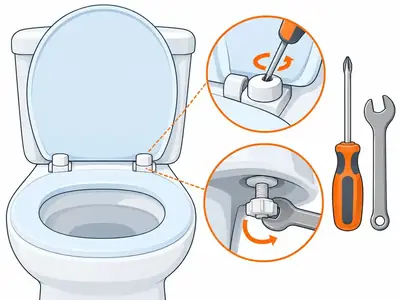 BathroomHow to Fix a Loose Toilet Seat or Wobbly ToiletHow to fix a loose toilet seat or wobbly toilet: tighten seat bolts, snug the base bolts, and shim the base. Learn when a leak means a new wax ring.
 BathroomHow to Fix a Toilet Handle That SticksLearn how to fix a toilet handle that sticks: check the chain and lever arm, clear the corrosion, adjust the linkage and replace a worn handle.
 BathroomLow Water Level Toilet Bowl: How to Fix ItToilet bowl water too low or dropping? Check the fill tube, vent, trap and tank for a low water level toilet bowl, and fix it step by step.
 BathroomHow to Install a Shower Seat That Is Safe to Sit OnLearn how to install a shower seat: choose a wall mounted or freestanding type, fix it into framing or rated anchors, seal every hole and test it carefully.
 BathroomReplace Toilet Flush Handle in 15 MinutesHandle loose or stuck? Replace toilet flush handle parts, match the mount side and adjust the chain so it flushes cleanly. Steps and safety tips included.