
How to Read Your Water Meter: Dials, Leak Tests and Bills
Part of: Basic plumbing
- Difficulty
- Easy
- Time
- 10 minutes plus a one-hour leak test
- Tools
- A flashlight, a screwdriver for the lid, your last water bill
- Call a pro if
- The meter spins with everything off and you cannot find the leak indoors, since a hidden service-line leak needs a plumber's detection gear.
In this guide
Your water meter is the most honest witness in the house: it sees every drip, every running toilet, every underground leak, months before the bill confirms it. Learning how to read your water meter takes ten minutes, and the leak test it enables has saved many homeowners from mysteries like a high water bill with no visible leak. Here is the whole skill.
1. Find the meter
Usually within sight of the street.
1. Most meters live in a ground box near the curb or property line, under a metal or plastic lid.
2. In cold climates, look in the basement or crawl space where the line enters.
3. The shutoff valve nearby is worth locating at the same time; how to shut off a water main covers that side.
4. Apartment dwellers may have an individual meter in a closet or a shared building meter; ask the landlord.
2. Read a digital meter
The easy kind.
1. Lift the lid or shine a light to wake the display.
2. The large digits are total usage, in gallons or cubic feet depending on your utility.
3. A flashing icon or moving flow indicator means water is moving right now.
4. Write down the reading with the date; that single habit powers every test below.
3. Read an analog dial meter
Only one dial really matters.
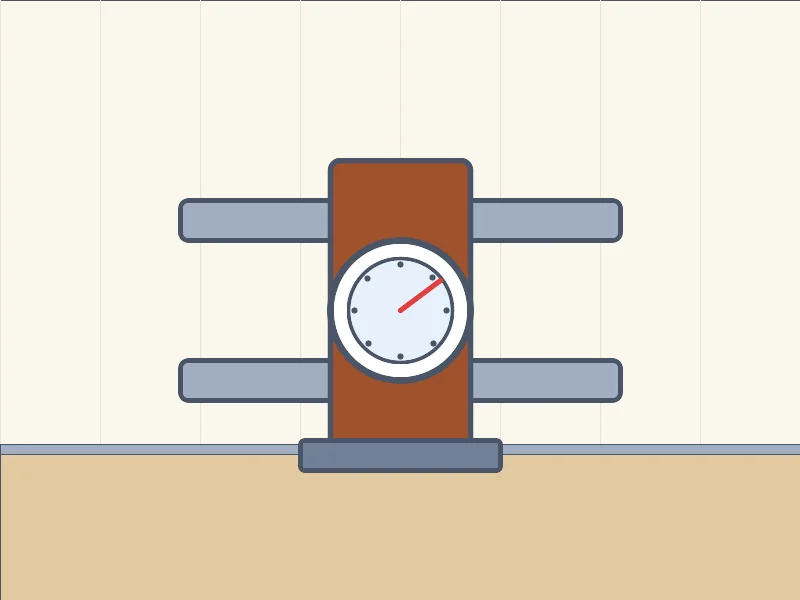
1. The big sweep hand reads like a clock and shows the finest unit, usually gallons.
2. The odometer-style digits are the total usage your bill comes from.
3. The small triangle or star dial is the leak indicator: it moves with tiny flows.
4. Read the odometer left to right; note whether your bill uses gallons or hundred-cubic-feet.
4. Run the ten-minute leak test
The meter's best party trick.
1. Turn off every fixture, appliance and irrigation zone in the house.
2. Watch the leak indicator or the sweep hand for two minutes.
3. Any movement with everything off means water is escaping somewhere.
4. No movement still warrants the next step for slow leaks.
5. Run the one-hour whole-house test
Catches what the quick test misses.
1. Record the exact reading, then use no water for an hour or two; overnight works even better.
2. Read it again; any change with zero usage confirms a leak.
3. Toilets cause most phantom usage; a few drops of food coloring in the tank shows in the bowl within fifteen minutes if the flapper leaks.
4. If toilets are clear, check irrigation valves and the water heater's relief valve next.
6. Use the meter to find where the leak lives
Narrow it down by isolation.
1. Shut the house's main indoor valve; if the meter still moves, the leak is in the service line between meter and house.
2. If it stops, the leak is inside; close fixture valves one at a time to isolate it.
3. A moisture meter or careful listening at fixtures narrows the search from here.
4. Service-line leaks are utility-or-plumber territory, not DIY.
7. Check your bill against the meter
The meter also audits the utility.
1. Compare the meter's odometer to the reading printed on your bill.
2. Estimated bills can drift far from reality; an actual read corrects them.
3. A sudden usage jump you cannot explain deserves the leak test before the payment.
4. Track usage monthly for a season; patterns make anomalies obvious.
Common mistakes
- Testing for leaks while the ice maker or a hose bib is running.
- Reading only the sweep hand and ignoring the odometer digits.
- Forgetting the irrigation system in the "everything off" step.
- Assuming a still meter means no leak when the leak is intermittent, like a toilet that runs only sometimes.
- Paying estimated bills for months without an actual reading.
Related guides
- How to Test Water Hardness: Strips, Soap and Lab Kits
- How to Find a Water Leak in Your House
- How to Find a Water Leak Under the Sink: Trace Every Drip
- Water Heater Drain Valve Leak: How to Fix It
- How to Find Your Main Water Shutoff Valve Before You Need It
- How to Replace a Main Water Shutoff Valve
FAQ
How do I read my water meter?
Digital meters show total usage on the display; analog meters show it on the odometer-style digits. The sweep hand and small triangle dial show fine flow, which is what you watch for leak tests.
How do I check for a water leak with my meter?
Turn off all water in the house and watch the meter's leak indicator for two minutes. Any movement means a leak. For slow leaks, record the reading, use no water for an hour, and compare.
Why is my water meter moving when nothing is on?
Water is escaping somewhere: a running toilet is the usual cause, followed by irrigation valves and supply-line leaks. Isolate by shutting the house valve; if the meter keeps moving, the leak is in the service line.
Where is my water meter located?
Usually in a ground box near the curb, or in the basement where the water line enters in cold climates. Apartments may have an individual meter in a utility closet or share a building meter.
More from this topic
- How to Test for a Water Leak With the Meter: Learn how to test for a water leak with the meter: shut every fixture off, watch the leak dial, isolate the...
- How to Test a Window for Leaks: Learn how to test a window for leaks using a garden hose and a helper: find where water gets in, mark the...
- How to Check for Toilet Leaks: The Dye Test: How to check for toilet leaks with the food coloring test, plus the tank, base and supply checks that catch...
- How to Fix a Running Water Meter When Nothing Is On: How to fix a running water meter when nothing is on: read the leak indicator, test the toilet and shutoff,...
- How to Test Water Hardness: Strips, Soap and Lab Kits: How to test water hardness with test strips, the soap bottle method or a lab kit, and what the results mean...
 PlumbingHow to Test for a Water Leak With the MeterLearn how to test for a water leak with the meter: shut every fixture off, watch the leak dial, isolate the supply and confirm a hidden leak.
 Doors and WindowsHow to Test a Window for LeaksLearn how to test a window for leaks using a garden hose and a helper: find where water gets in, mark the spot, and decide on caulk, flashing, or repair.
 PlumbingHow to Check for Toilet Leaks: The Dye TestHow to check for toilet leaks with the food coloring test, plus the tank, base and supply checks that catch the leaks your water bill notices first.
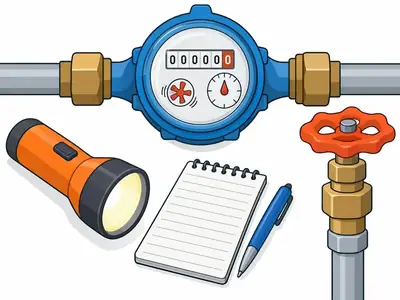 PlumbingHow to Fix a Running Water Meter When Nothing Is OnHow to fix a running water meter when nothing is on: read the leak indicator, test the toilet and shutoff, and find hidden leaks. Steps and when to call a pro.
 PlumbingHow to Test Water Hardness: Strips, Soap and Lab KitsHow to test water hardness with test strips, the soap bottle method or a lab kit, and what the results mean for your appliances and fixtures.