
How to Test Water Hardness: Strips, Soap and Lab Kits
Part of: Basic plumbing
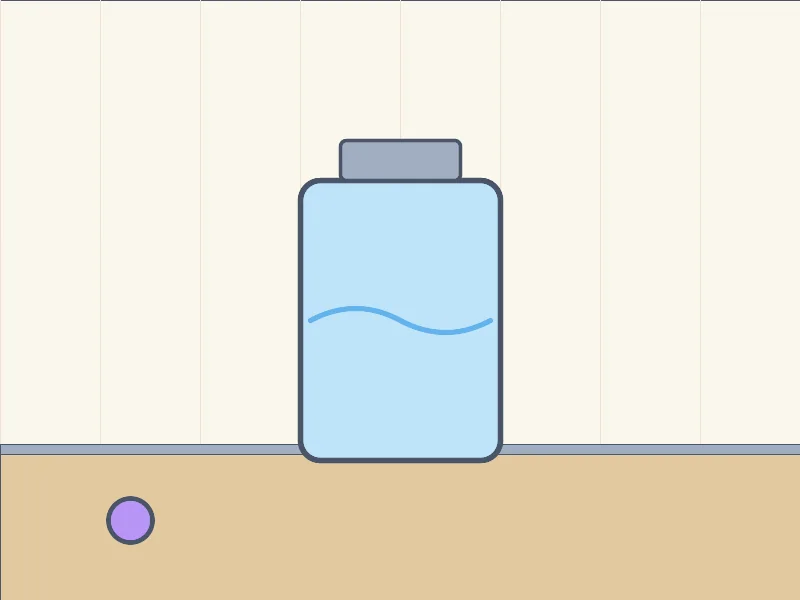
- Difficulty
- Easy
- Time
- 10 minutes for strips or soap, days for a lab kit
- Tools
- A hardness test strip kit or a clear bottle and pure liquid soap
- Call a pro if
- Your water also stains, smells or tests beyond what a softener handles, since that points to iron or other issues that need treatment advice.
In this guide
Hard water quietly scales water heaters, spots dishes and stiffens laundry, so how to test water hardness is the first step in deciding whether to treat it. Three methods cover every budget: a free soap test, a ten-dollar strip kit, and a lab test when you want the full picture. Here is each one, plus how to read the results.
1. Know the signs before you test
Your fixtures have been reporting for months.
1. White crust on faucets and shower heads that returns days after cleaning.
2. Spots and film on glassware even with rinse aid; dishwasher leaving spots on dishes covers that battle.
3. Soap that lathers poorly and shampoo that never quite rinses.
4. A water heater that rumbles from scale; water heater maintenance explains the connection.
2. Run the soap bottle test
The free five-minute estimate.
1. Fill a clear bottle a third full with cold tap water.
2. Add ten drops of pure liquid soap, not detergent, and shake hard for ten seconds.
3. Rich, tall suds with clear water below means soft water.
4. Thin suds with cloudy, milky water means hardness minerals are eating the soap.
3. Use test strips for a real number
The ten-dollar upgrade from guessing.
1. Buy hardness test strips from any hardware store or online.
2. Dip the strip in cold tap water per the package timing.
3. Match the color to the chart within the stated window; colors drift after.
4. The reading comes in grains per gallon or parts per million; both appear on most charts.
4. Read the hardness scale
What the number actually means.
1. Under 3.5 grains per gallon, about 60 ppm: soft water, no action needed.
2. 3.5 to 7 grains: moderately hard; rinse aid and detergent adjustments usually cope.
3. 7 to 10.5 grains: hard; appliances scale noticeably.
4. Over 10.5 grains: very hard; a softener pays for itself in appliance life.
5. Send a lab test when it matters
For wells and big decisions.
1. Well owners should test yearly, since groundwater chemistry shifts; hardness often arrives with iron and other guests.
2. A lab panel covers hardness plus iron, pH, bacteria and common contaminants.
3. Test before buying treatment equipment; sizing a softener on a guess wastes the purchase.
4. Municipal customers can start with the utility's free annual water quality report.
6. Test in the right places
One home can have two answers.
1. Test an indoor cold faucet after a minute of running for the truest household reading.
2. Homes with softeners treat everything after the unit; outdoor spigots often stay hard by design.
3. Test hot and cold separately if the hot side scales faster; the heater concentrates minerals.
4. Retest seasonally on a well, and after any treatment equipment change.
7. Act on the result
The number is a decision, not trivia.
1. Moderately hard: adjust detergent, keep rinse aid full, and descale fixtures with vinegar.
2. Hard to very hard: price a softener against appliance replacement costs; the heater alone often justifies it.
3. Test again a month after any change to confirm it worked.
4. Keep a strip or two in the utility drawer; conditions and equipment drift.
Common mistakes
- Testing hot water, which reads harder than the supply.
- Reading strips after the color window closes.
- Testing an outdoor spigot on a softened home and treating water that was already treated.
- Using detergent instead of pure soap for the bottle test.
- Buying a softener sized by guesswork instead of the hardness number.
FAQ
How can I test my water hardness at home?
The free way: shake ten drops of pure liquid soap in a bottle of tap water; thin suds and cloudy water mean hardness. For a number, dip a hardness test strip and match it to the chart in grains per gallon.
What is considered hard water?
Over 7 grains per gallon, about 120 ppm, counts as hard, and over 10.5 grains is very hard. Between 3.5 and 7 is moderately hard and usually manageable with detergent and rinse-aid adjustments.
How do I know if I have hard water without a test?
White crust on faucets, spots on glassware, poor soap lather and a rumbling, scaled water heater are the classic signs. The soap bottle test confirms them in five minutes.
Should I test my water before buying a softener?
Yes. Softener sizing depends on your hardness number and household usage, and guessing either way wastes money. A strip kit answers it for most homes; well owners should run a lab panel.
Related guides
- Water Softener Not Working: What to Check Before You Call: Water softener not working? Check the salt level, salt bridge, bypass valve, power and settings. Simple steps...
- How to Quiet a Banging Radiator: Learn how to quiet a banging radiator: bleed trapped air, fix the pipe slope, free a stuck valve and stop the...
- How to Test Your Water for Lead: How to test your water for lead: collect the sample correctly, use a certified lab and read the results...
- How to Test for a Water Leak With the Meter: Learn how to test for a water leak with the meter: shut every fixture off, watch the leak dial, isolate the...
- Test Water Pressure at Home With a Gauge: Learn how to test water pressure at home with a simple gauge, read the result, find the normal range and fix...
 PlumbingWater Softener Not Working: What to Check Before You CallWater softener not working? Check the salt level, salt bridge, bypass valve, power and settings. Simple steps to bring soft water back to your home.
 PlumbingHow to Quiet a Banging RadiatorLearn how to quiet a banging radiator: bleed trapped air, fix the pipe slope, free a stuck valve and stop the expansion noise that wakes the house.
 Water QualityHow to Test Your Water for LeadHow to test your water for lead: collect the sample correctly, use a certified lab and read the results against the action level.
 PlumbingHow to Test for a Water Leak With the MeterLearn how to test for a water leak with the meter: shut every fixture off, watch the leak dial, isolate the supply and confirm a hidden leak.
 PlumbingTest Water Pressure at Home With a GaugeLearn how to test water pressure at home with a simple gauge, read the result, find the normal range and fix pressure that is too high or low.