
How to Quiet a Banging Radiator
Part of: Basic plumbing
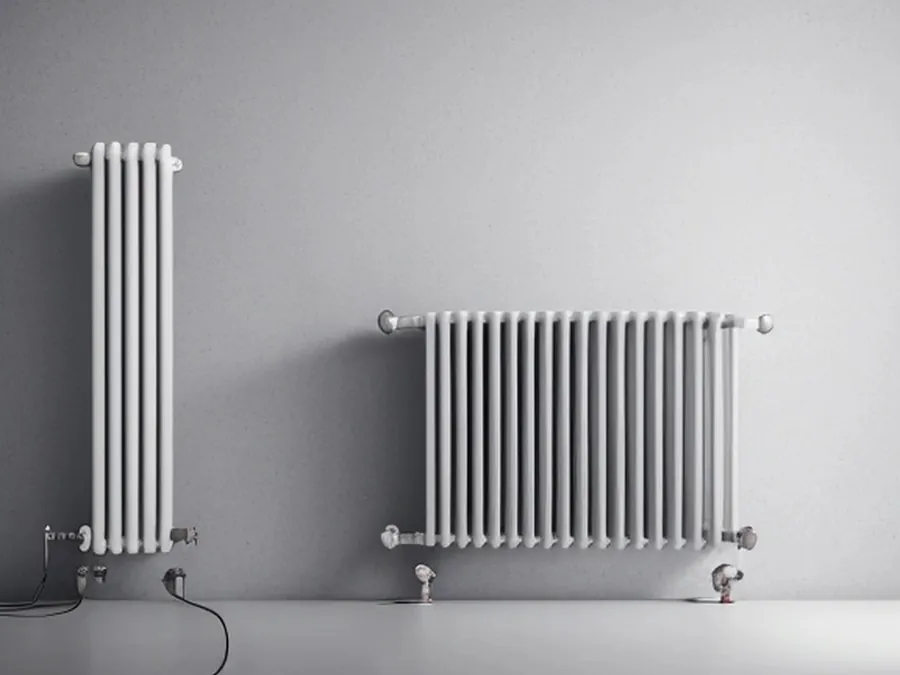
- Difficulty
- Easy
- Time
- 30 minutes to 2 hours
- Tools
- Radiator bleed key, cloth, bowl, screwdriver, adjustable wrench, pipe clips, level, wood shims
- Call a pro if
- The banging comes with a leak, the boiler loses pressure, or the pipes are buried in a wall, since those need a heating contractor.
In this guide
This guide shows how to quiet a banging radiator. Every knock, tick and gurgle is something moving that should not be. The sound tells you which tool to pick up.
1. Identify the noise
- Knocks as the heat comes on: expansion against a tight clip or hole.
- One hard knock as a zone valve closes: water hammer.
- A tick that fades as it warms: normal expansion at the bracket.
- Gurgling with a cold top: air.
- Rumble or whine at the boiler: pressure or circulator.
2. Banging when the heat first comes on
Bleeding will not touch this. Look for a pipe through a tight hole, one on a joist, or one under a hard-driven clip. Open the hole, fit clips that let it slide, sleeve it through wood, and leave slack at the valve.
3. Knocking when a zone valve closes
One knock as a valve shuts is water hammer. Check system pressure first; beyond that it is a valve or arrestor question for a contractor.
4. Ticking as it heats and cools
Panel against bracket, cover against wall, pipe against a floorboard. A felt pad at the contact fixes it.
5. Gurgling with cold radiators
Gurgling means air: key, cloth, bowl, quarter turn at the top valve, close it when water runs steadily (how to bleed a radiator). If it returns within weeks, air is entering somewhere.
6. Check the radiator is level
A radiator tilted the wrong way traps air at the far end. The bleed end should sit slightly higher: loosen the brackets, shim the low end, retighten, bleed again.
7. When the noise is the boiler or the pump
Read the pressure at the gauge. A circulator set too fast is heard through the house; a boiler rumble usually means scale or restricted flow.
8. A stuck valve or a system out of balance
A stuck thermostatic pin knocks as flow starts, and one radiator taking too much flow makes the system noisy (how to fix a towel warmer that won't heat up).
Quick tips
- Note the exact moment the noise starts; it identifies the cause.
- Find the loudest point.
When to stop
Call a licensed professional if: the banging comes with a leak, the boiler loses pressure, or the pipes are buried in a wall.
Common mistakes
- Bleeding a radiator that is knocking from expansion.
- Clipping a pipe tighter, which makes it worse.
- Opening a bleed valve with the heat running.
FAQ
Why does it only bang when the heat comes on?
Expansion: metal moves as it heats and something holds it.
What causes the banging noise in a radiator?
Most banging is steam or hot water hitting trapped air or condensed water in the pipes. When steam meets a pool of water it collapses the bubbles and makes the hammering sound. A tilted radiator or a closed valve is the usual culprit.
How do I fix a radiator that bangs?
Make sure the supply valve is fully open; a part-open valve traps water. Then check the radiator tilts slightly toward the valve end so condensate drains back; shim the far end if needed. Bleeding air from a hot-water radiator also helps.
Is a banging radiator dangerous?
Usually not; it is mostly noise and lost efficiency. But persistent water hammer can loosen pipe joints over time; and a radiator that never heats evenly or a valve that leaks should be looked at by a heating pro.
Related guides
- Water Hammer in Pipes: Why It Bangs and How to Stop It: Water hammer in pipes causes banging when you shut off a tap. Find the cause, secure loose pipes and learn...
- How to Replace an Anode Rod in Your Water Heater: Learn how to replace an anode rod to extend the life of your water heater. Tools, safe steps, signs of a worn...
- Washing Machine Loud Noise: What to Check: Washer banging, grinding or squealing? Learn what each washing machine loud noise means, from unbalanced...
- Water Heater Maintenance Checklist: Once a Year: A water heater maintenance checklist that takes an hour a year: flush sediment, test the relief valve, check...
- Electric Water Heater Element: How to Test and Replace It: No hot water? Learn how to test and replace an electric water heater element safely, with the power off, a...
 PlumbingWater Hammer in Pipes: Why It Bangs and How to Stop ItWater hammer in pipes causes banging when you shut off a tap. Find the cause, secure loose pipes and learn when to add an arrestor or call a plumber.
 PlumbingHow to Replace an Anode Rod in Your Water HeaterLearn how to replace an anode rod to extend the life of your water heater. Tools, safe steps, signs of a worn rod and tips for tight spaces.
 PlumbingWashing Machine Loud Noise: What to CheckWasher banging, grinding or squealing? Learn what each washing machine loud noise means, from unbalanced loads to worn bearings, and what to check.PlumbingWater Heater Maintenance Checklist: Once a YearA water heater maintenance checklist that takes an hour a year: flush sediment, test the relief valve, check the anode and inspect for early leaks.
 PlumbingElectric Water Heater Element: How to Test and Replace ItNo hot water? Learn how to test and replace an electric water heater element safely, with the power off, a multimeter and a drained tank.