
How to Stop a Door From Slamming or Banging
Part of: Floors, walls and doors · Also in: The Complete Guide to Doors and Windows: Repairs at Home
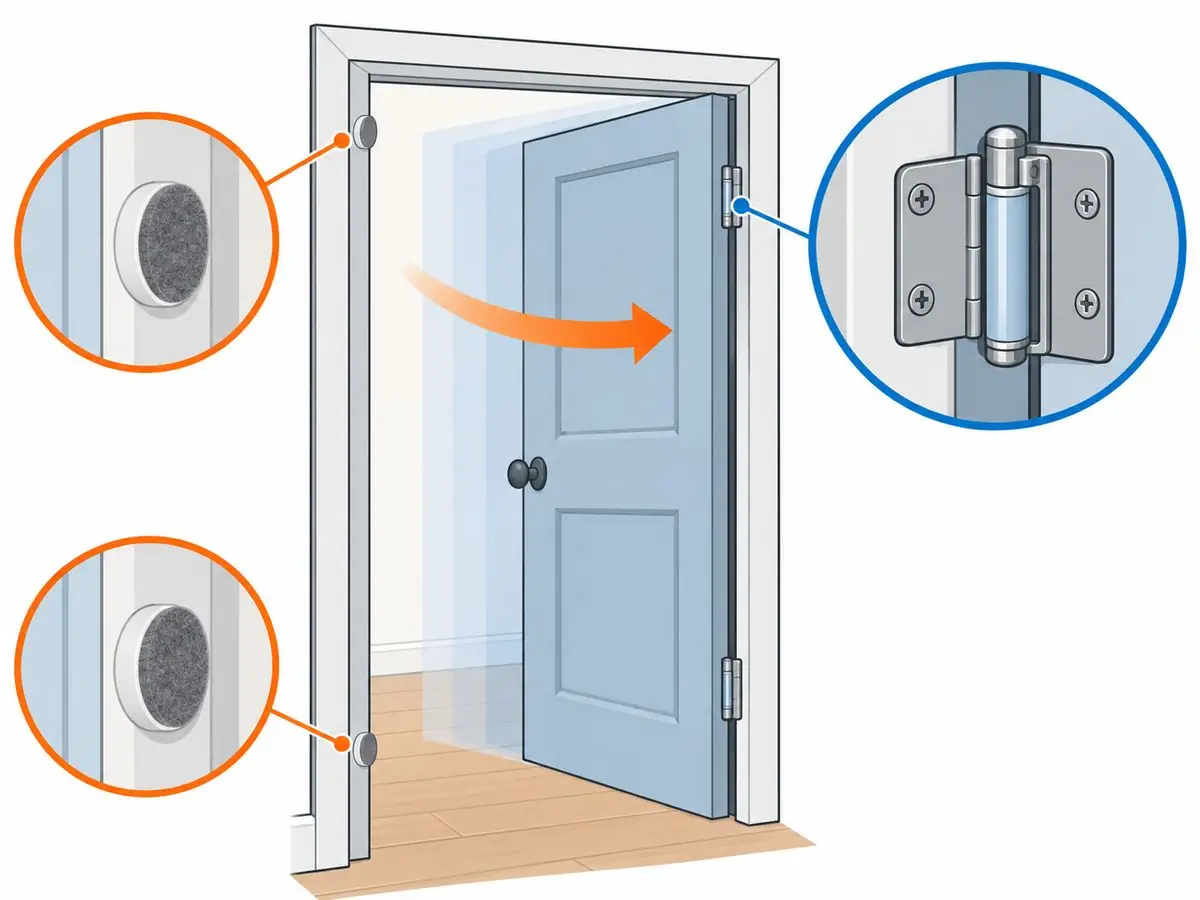
- Difficulty
- Easy
- Time
- 5 to 30 minutes
- Tools
- Screwdriver, self-adhesive felt or rubber bumpers, tape measure, pencil, drill (for closers)
- Call a pro if
- the door frame is cracked, the door no longer fits the opening, or it is a fire-rated or exterior door with a closer you cannot adjust
In this guide
A door that slams wakes the baby, rattles the frame and wears out the latch. Here is how to stop a door from slamming or banging, from a five-minute pad fix to a small hardware upgrade.
This guide is part of our wider guide to doors and windows.
Why doors slam
Three things make a door bang: wind or air pressure pushing it shut, a latch that catches too hard, and a door that swings freely with nothing to slow it. The fix depends on the cause.
Step by step: quick fixes
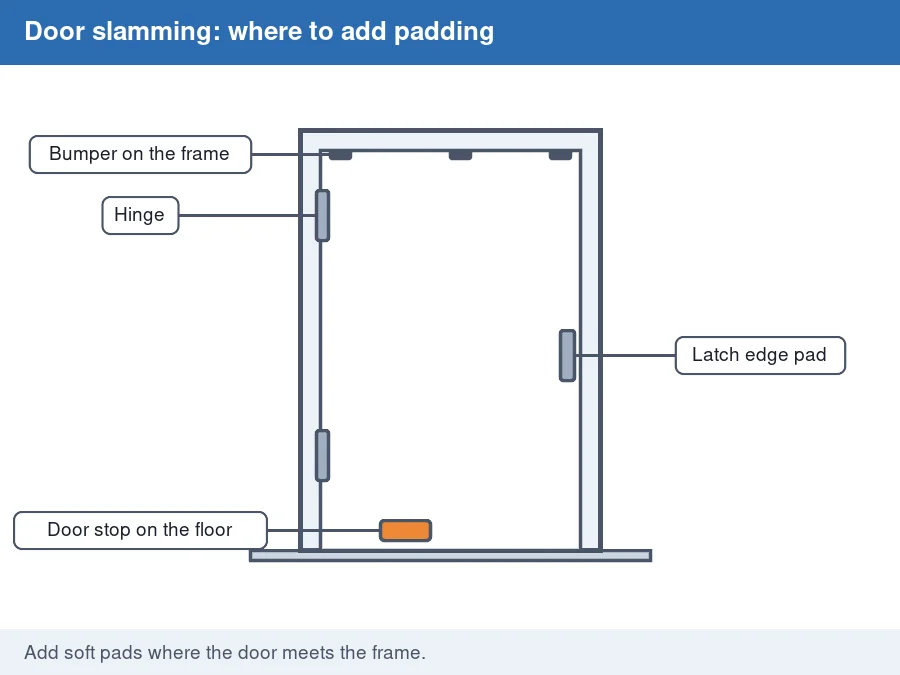
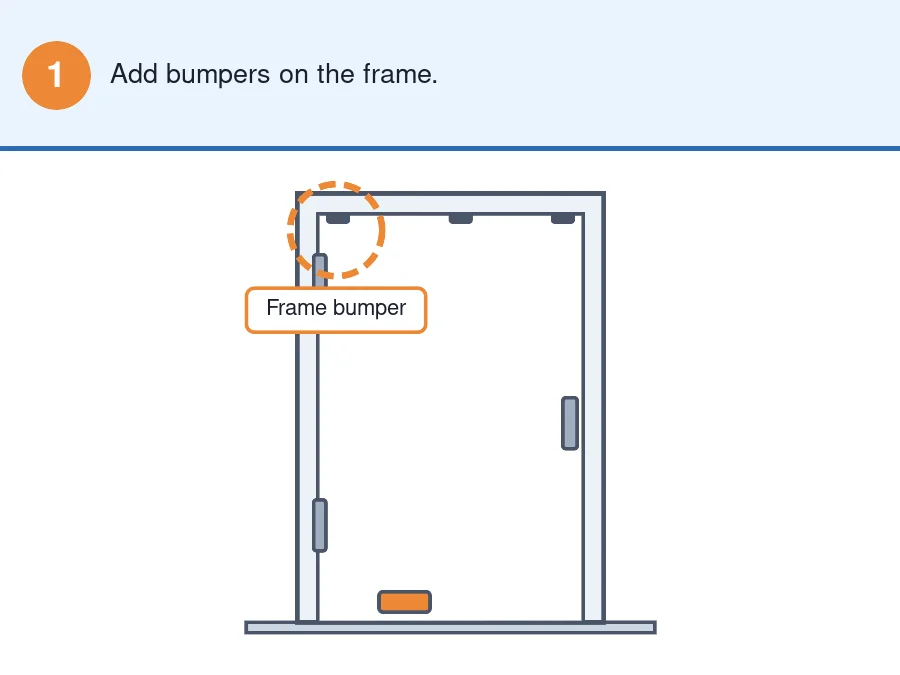
1. Add bumpers on the frame. Peel and stick small felt or clear rubber pads on the door stop, where the door meets the frame. Space them on the latch side: one high, one at the middle and one low.
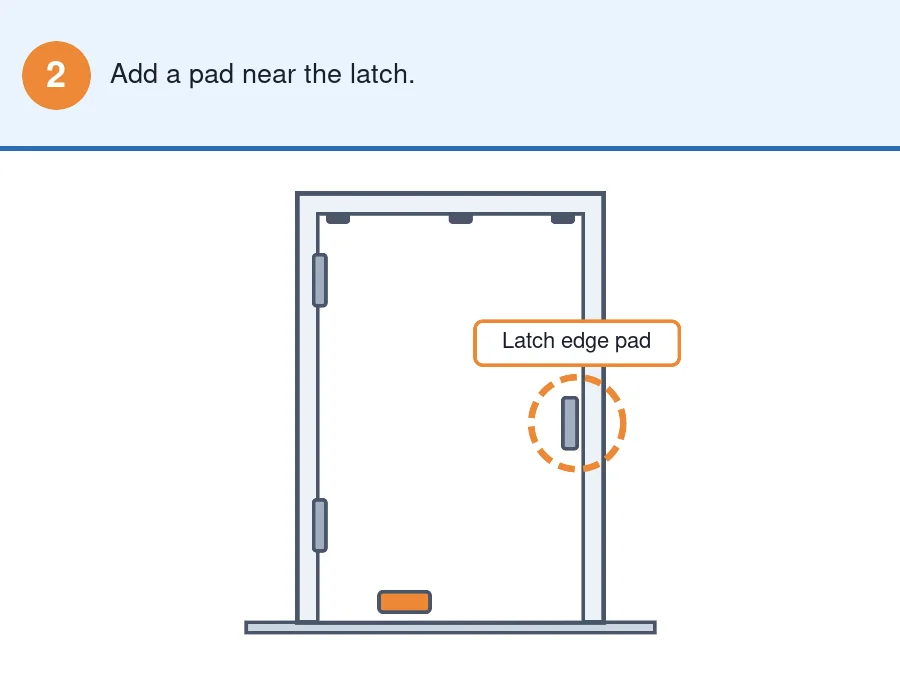
2. Add a pad near the latch. A pad on the strike side stops the metal-on-metal bang when the door closes.
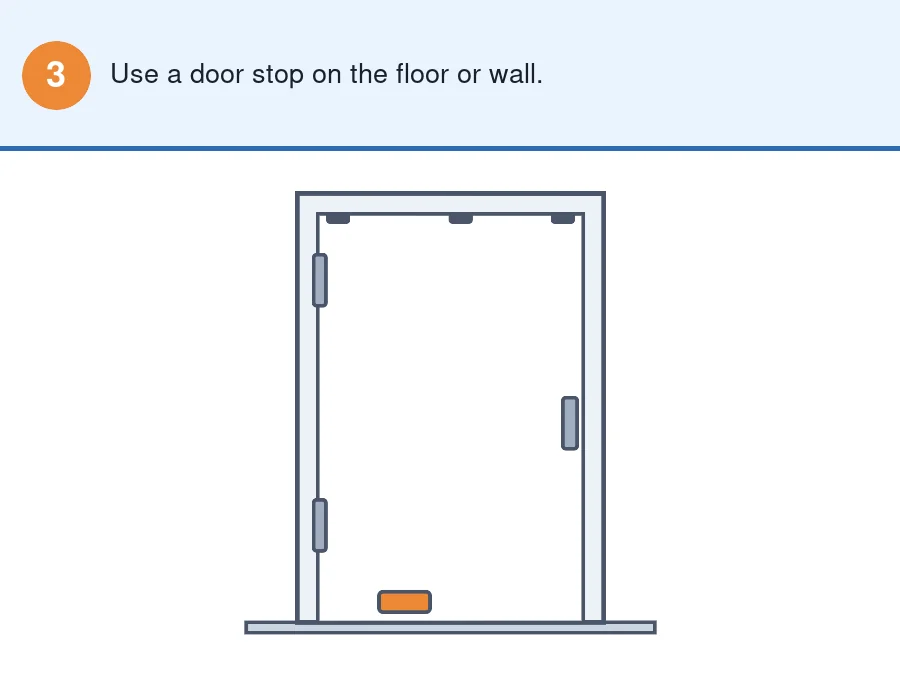
3. Use a door stop on the floor or wall. A simple stop or a hinge-pin stopper keeps the door from swinging into a wall.
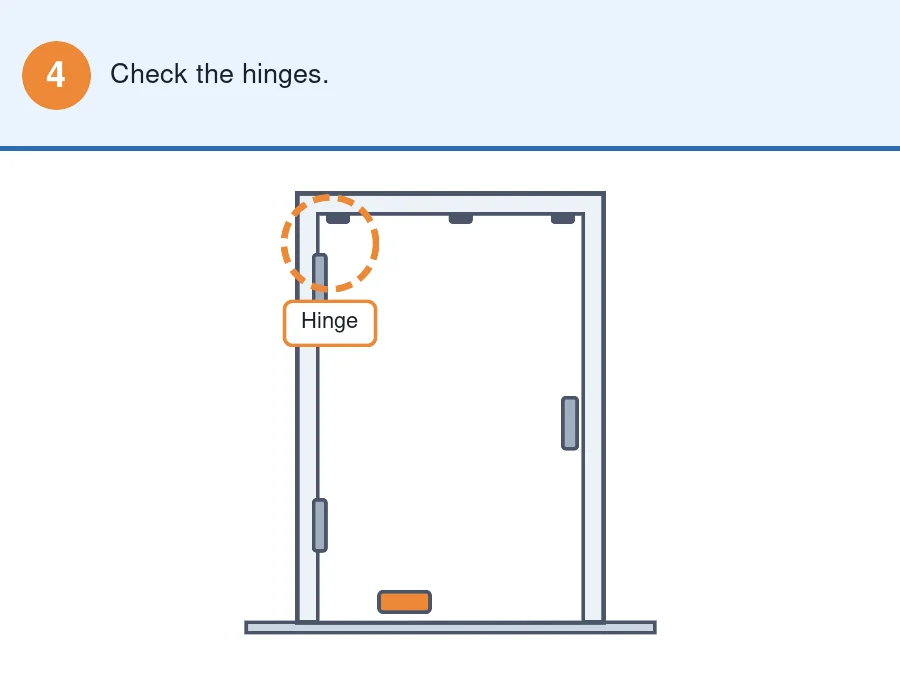
4. Check the hinges. Tighten loose screws. If a screw spins, replace it with a longer one or fill the hole as in How to fix a stripped screw hole.
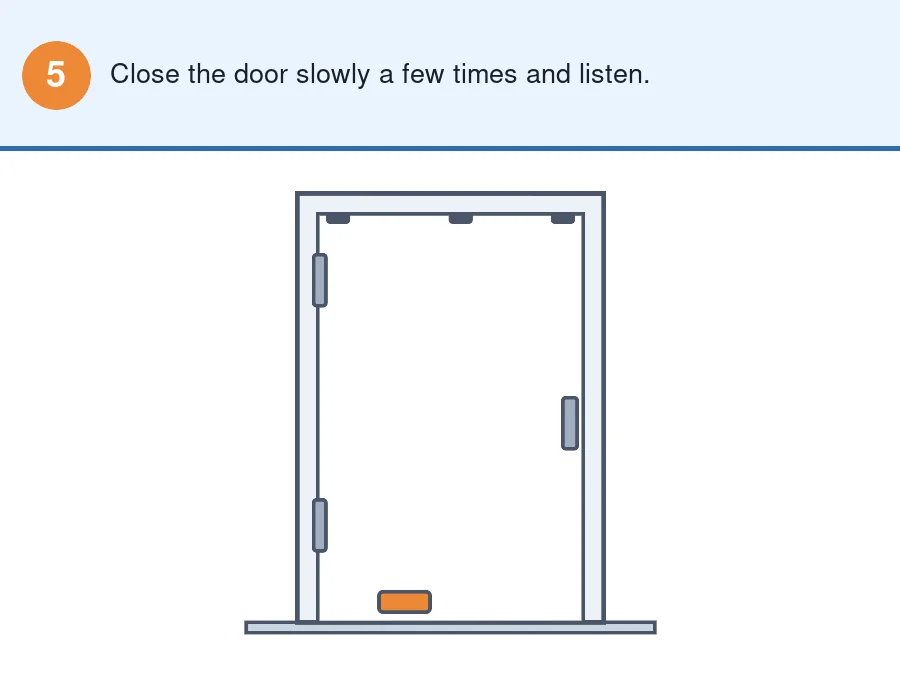
5. Close the door slowly a few times and listen. The pads should quiet it.
Better fix: a soft-close device
1. Choose a type. Options include a door closer arm, a hinge-mounted soft-close piston and a small adhesive damper that sticks to the door edge.
2. Mark the position. Hold the part where it will go and mark the screw holes with a pencil.
3. Install. Drill small pilot holes and drive the screws. Use the template that comes in the box.
4. Adjust the speed. Most closers have a small screw near the cylinder. Turn it a quarter turn at a time to slow or speed the close.
5. Test. Open the door to a wide angle and let it go. It should close slowly and latch with a soft click.
If the door slams because of a draft
Close nearby windows and see if the slam stops. A draft pushing through the house can blow a door shut. A door stop that holds it open or a latch that holds it closed solves this better than bumpers.
If the latch hits hard
Sometimes the latch is out of line. Look at the strike plate. If the bolt hits the edge of the plate, file the opening a bit larger or move the plate. See How to fix a squeaky door for hinge basics.
Choosing a quieter option
If you like a particular door style, such as a hollow-core bedroom door, bumpers and a soft-close damper work well. For heavy solid doors, a hydraulic hinge or an overhead closer may be better. For cabinet doors, small self-adhesive bumpers on the corners or a soft-close hinge kit do the same job. Pick bumpers that are about the size of a pencil eraser, and clean the surface first so the adhesive holds.
Check the door fit
A door that slams may also rub the frame or have loose hinges. Close it slowly and look at the gap along the edges. Tighten loose hinge screws first. If the door is uneven, a small adjustment of the hinge or the strike plate can help the door close smoothly without force. A well-installed door closes with a quiet click, and does not need a hard push.
Related guides
- How to Tighten a Loose Door Knob in Five Minutes
- How to Lubricate a Sticky Door Lock So the Key Turns Smoothly
- How to Replace a Door Threshold to Stop Drafts and Water
- How to Adjust a Screen Door Closer
- How to Install a Door Stop Without Damaging the Door
- How to Install a Screen Door
FAQ
Will felt pads wear out?
Yes, in a year or two. Replace them when they flatten or fall off.
Do soft-close hinges fit any door?
Most fit standard interior doors, but check the hinge size on the package.
Can I adjust an exterior door closer?
Yes. The valve screws on the body control closing speed and latching speed, usually clearly labeled.
Is a door slam a sign of a bigger problem?
Usually not, but a door that no longer lines up with its frame may mean the house has settled or the hinges have loosened.
More from this topic
- How to Stop Cabinet Doors From Slamming: Stop cabinet doors from slamming with adhesive bumper pads, adjusted hinges, or soft-close hinge upgrades,...
- How to Fix a Storm Door That Slams or Will Not Close: Learn how to fix a storm door that slams or will not close: adjust the pneumatic closer, tighten brackets,...
- How to Lubricate a Sticky Door Lock: Learn how to lubricate a sticky door lock: clean out grit, use the right dry lubricant, work the key, and...
- How to Stop a Bathroom Door From Swinging Shut: Learn how to stop a bathroom door from swinging shut: check the frame for plumb, adjust the top hinge, free...
- How to Install a Kick Plate on a Door: Learn how to install a kick plate on a door at the right height, with the screws, template and edge clearance...
 KitchenHow to Stop Cabinet Doors From SlammingStop cabinet doors from slamming with adhesive bumper pads, adjusted hinges, or soft-close hinge upgrades, from a two-minute fix to a quiet-kitchen upgrade.
 Doors and WindowsHow to Fix a Storm Door That Slams or Will Not CloseLearn how to fix a storm door that slams or will not close: adjust the pneumatic closer, tighten brackets, check the latch, and replace a leaking closer.
 Doors and WindowsHow to Lubricate a Sticky Door LockLearn how to lubricate a sticky door lock: clean out grit, use the right dry lubricant, work the key, and know when the lock needs a repair or replacement.
 Doors and WindowsHow to Stop a Bathroom Door From Swinging ShutLearn how to stop a bathroom door from swinging shut: check the frame for plumb, adjust the top hinge, free stiff hinges and add a hold-open that suits it.
 Doors and WindowsHow to Install a Kick Plate on a DoorLearn how to install a kick plate on a door at the right height, with the screws, template and edge clearance that keep it flat and clean.