
How to Fix a Storm Door That Slams or Will Not Close
Part of: Floors, walls and doors
- Difficulty
- Easy
- Time
- 15 to 45 minutes
- Tools
- Flathead screwdriver, drill, replacement closer, tape measure, wrench, pencil, step stool
- Call a pro if
- The door frame is bent, the glass or screen is damaged, the door hits the main door, or you cannot reach the closer safely.
In this guide
- Wear protection
A storm door that slams wakes the house, and one that will not latch lets heat out. The closer is a small air cylinder that controls the speed. It is usually easy to adjust. Here is how to fix a storm door that slams or will not close properly.
What the closer does
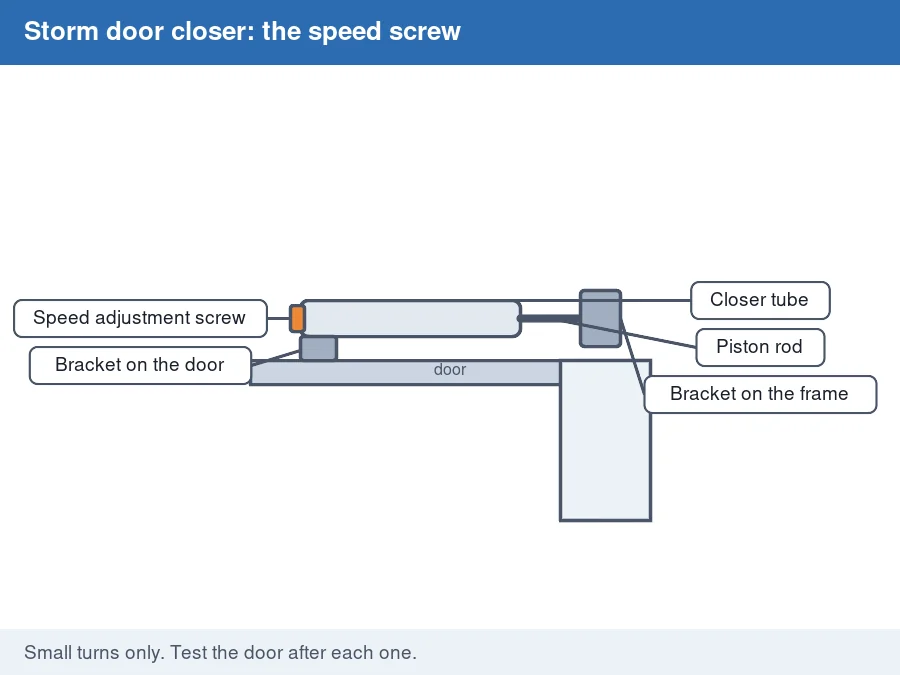
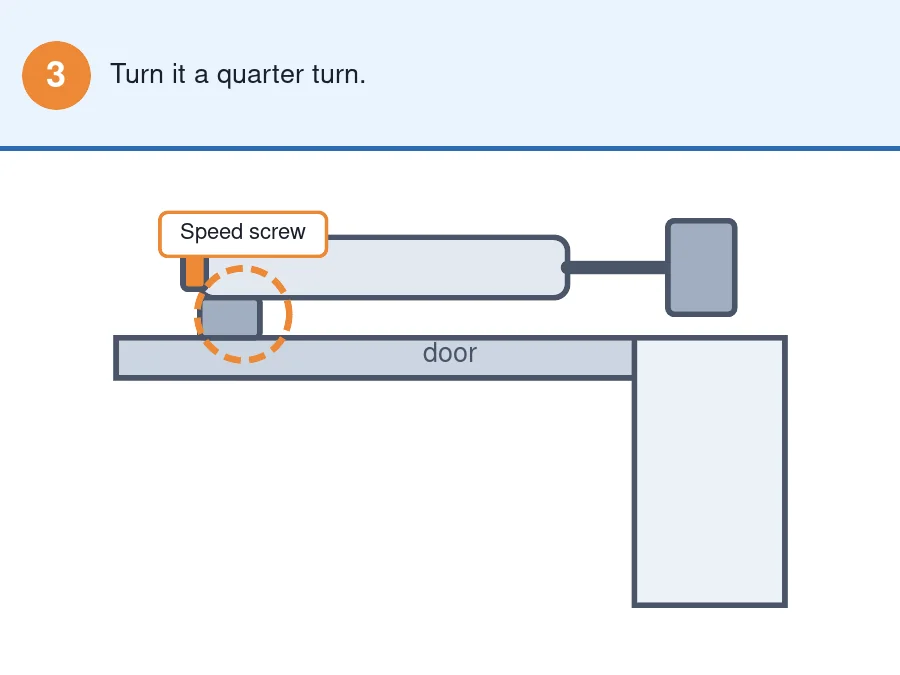
A pneumatic closer works like a small shock absorber. As the door closes, air escapes through a tiny hole. A screw on the end of the tube adjusts how fast that air leaves. When the screw is open too far, the door slams. When it is too tight, the door closes slowly and may not latch.
Find the adjuster
Look at the closer tube, usually on the hinge side near the bottom or the top of the door. At one end you will see a small screw. Some closers have an adjusting screw on the outer cap. Some have a dial.
Step by step: adjust the speed
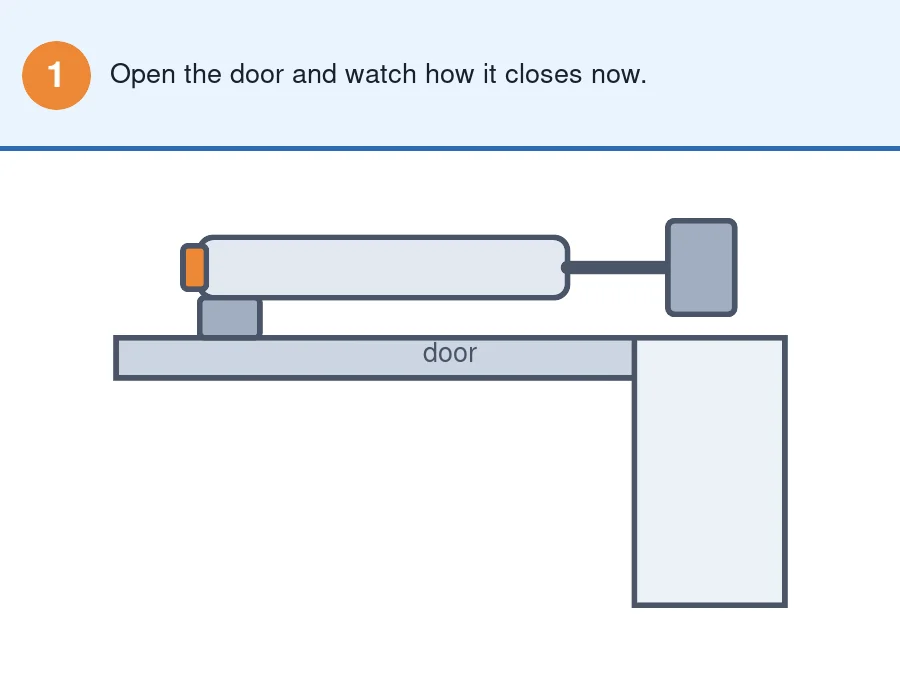
1. Open the door and watch how it closes now.
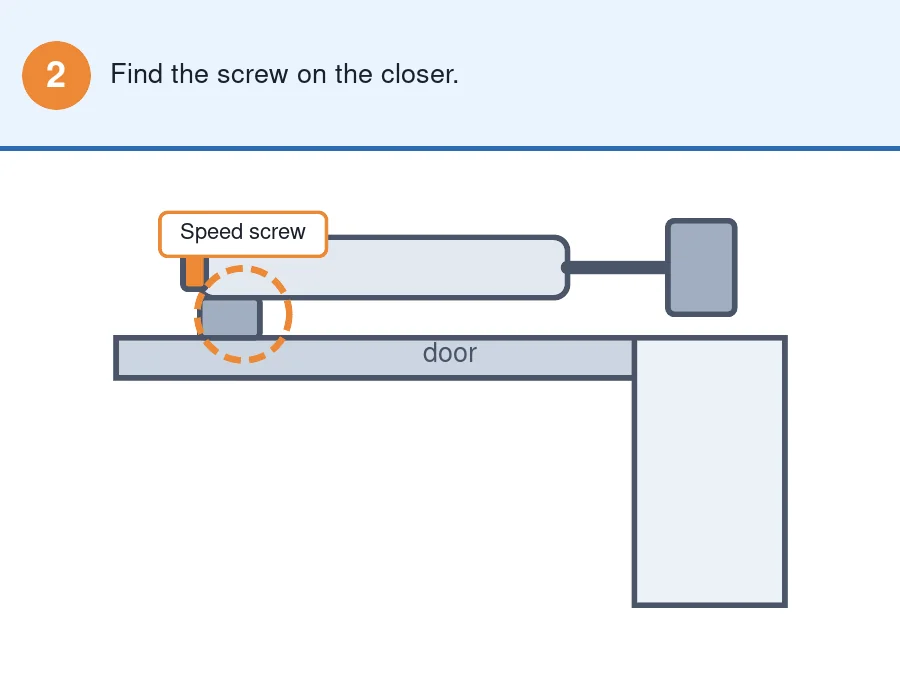
2. Find the screw on the closer.
3. Turn it a quarter turn. Clockwise slows the door. Counterclockwise speeds it up. Check the instructions on the closer.
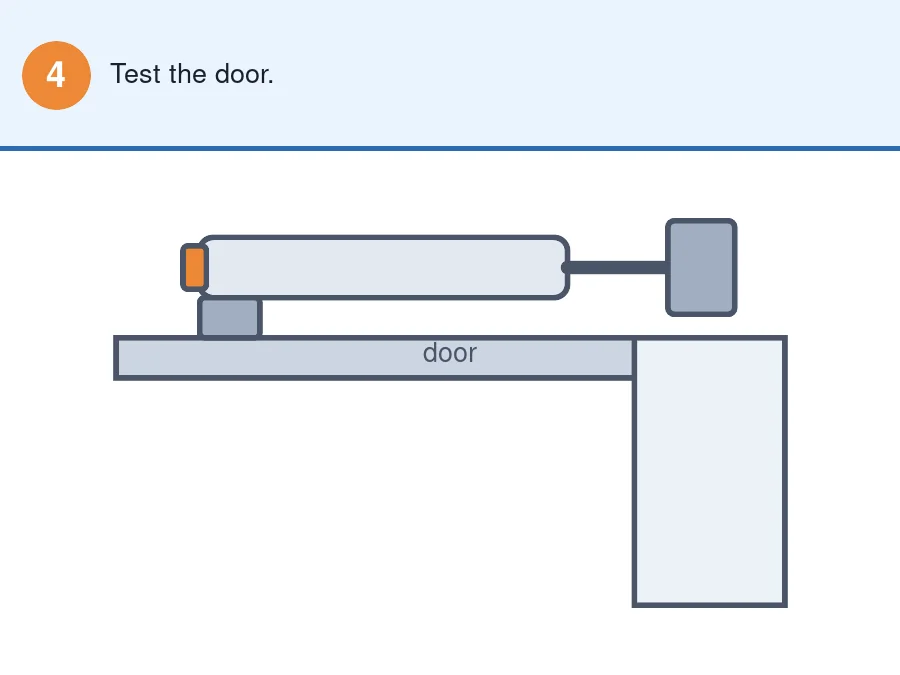
4. Test the door. It should close at a steady pace and latch without slamming.
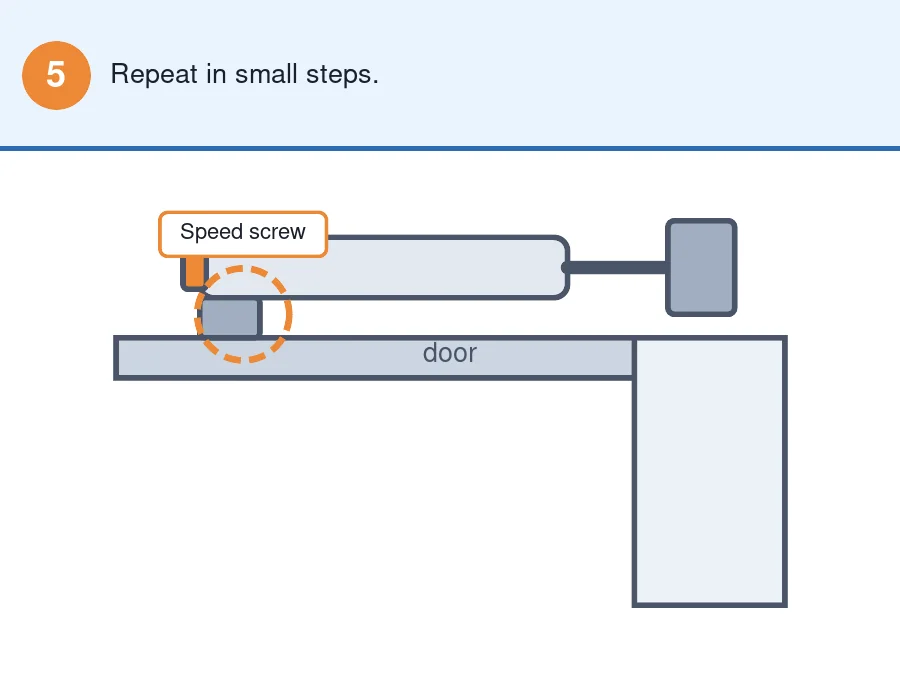
5. Repeat in small steps. Do not turn it too far, since you can pull the screw out.
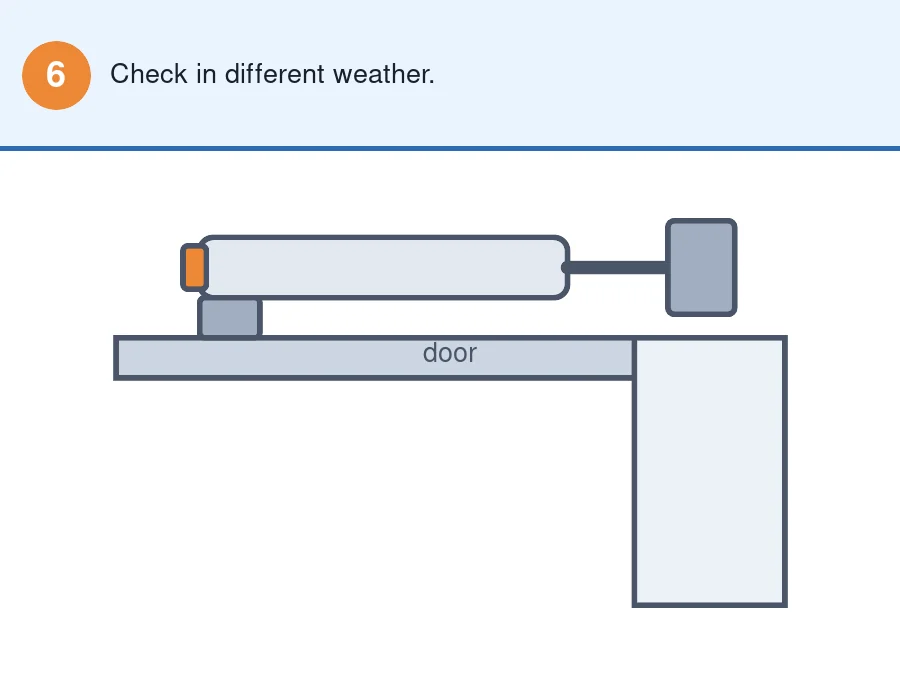
6. Check in different weather. Cold air can stiffen the closer.
If it still slams
- Tighten the brackets. Loose brackets let the closer wobble. Tighten the screws on the door and the jamb.
- Check the mounting position. The closer should be level. If it is crooked, it will not control the door well.
- Look for oil leaks. If the cylinder is oily or wet, the seal has failed.
- Replace the closer. A new one costs little and bolts in the same place.
If it will not close or latch
1. Loosen the speed screw a bit.
2. Check the latch. Make sure the latch lines up with the strike plate. Adjust the plate if needed. See how to fix a door that will not latch.
3. Check the door for rubbing. Look at the hinges and the weatherstrip.
4. Check for a bent closer rod. Replace it if it is bent.
5. Look for a wind chain or hold open arm that is stuck.
Replace the closer
1. Prop the door open.
2. Remove the screws that hold the old closer to the door and the jamb.
3. Match the length and mounting style.
4. Fit the new closer with the brackets in the same holes.
5. Adjust the speed.
If you have a pair of closers, replace them together so they work the same.
Tips for a quiet door
- Add a bumper or weatherstrip along the latch edge.
- Clean the track and hinges and lubricate them. See how to fix a squeaky door and how to stop a door from slamming or banging.
- Keep the door from swelling by sealing raw edges.
Cold weather
In winter the closer can get stiff and close more slowly. Adjust it a little. Check the weatherstripping too. See how to weatherstrip an exterior door.
Related guides
- How to Adjust a Screen Door Closer
- How to Install a Storm Door
- How to Install a Screen Door
- How to Install a Storm Window Over an Existing Window
- How to Fix a Door That Swings Open on Its Own
FAQ
How do I know which way to turn the screw?
Check the label. If there is none, test with a quarter turn and watch.
Why does my storm door close slowly?
The speed screw is too tight or the closer is worn.
Can I fix a leaky closer?
Not usually. Replace it.
Do I need two closers?
Many doors use one. A second helps on tall or heavy doors.
More from this topic
- How to Adjust a Screen Door Closer: Learn how to adjust a screen door closer so it shuts without slamming, with the turnbuckle, the mounting...
- How to Fix a Sagging Screen Door That Drags: Learn how to fix a sagging screen door: check the hinges, tighten the frame, add a turnbuckle or corner...
- How to Stop a Door From Slamming or Banging: How to stop a door from slamming or banging with felt pads, a soft-close hinge or a door closer. Easy steps,...
- How to Adjust a Bifold Door: How to adjust a bifold door that rubs, sticks, or will not close: set the track, tune the pivots, and align...
- How to Fix a Patio Door That Leaks Air or Water: How to fix a patio door that leaks air or water: separate the draft from the leak, clear the weep holes,...
 Doors and WindowsHow to Adjust a Screen Door CloserLearn how to adjust a screen door closer so it shuts without slamming, with the turnbuckle, the mounting bracket and the latch check.
 Doors and WindowsHow to Fix a Sagging Screen Door That DragsLearn how to fix a sagging screen door: check the hinges, tighten the frame, add a turnbuckle or corner brace, adjust the latch, and stop it dragging.
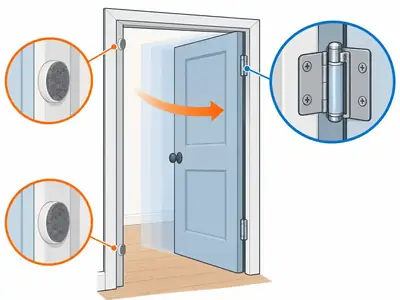 Doors and WindowsHow to Stop a Door From Slamming or BangingHow to stop a door from slamming or banging with felt pads, a soft-close hinge or a door closer. Easy steps, tools and when to adjust the hinges.
 Doors and WindowsHow to Adjust a Bifold DoorHow to adjust a bifold door that rubs, sticks, or will not close: set the track, tune the pivots, and align the panels.
 Doors and WindowsHow to Fix a Patio Door That Leaks Air or WaterHow to fix a patio door that leaks air or water: separate the draft from the leak, clear the weep holes, reseal the threshold, and check the flashing.