
How to Install a Screen Door
Part of: Floors, walls and doors
- Difficulty
- Moderate
- Time
- 2 to 3 hours
- Tools
- tape measure, pencil, drill, driver, screws, level, square, chisel, hacksaw, utility knife, shims, safety glasses
- Call a pro if
- The door frame is out of square or the threshold is rotten, since a screen door cannot close properly on a twisted opening.
In this guide
- Ladder safety
- Wear protection
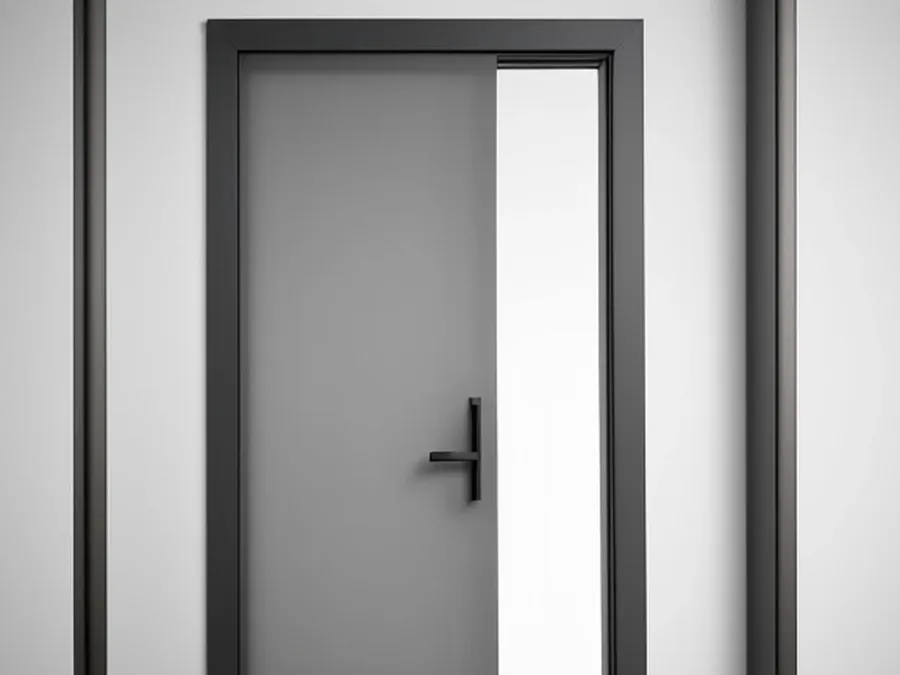
Knowing how to install a screen door is a weekend job that makes a house usable in good weather. The door has to sit square in the opening, hinge side plumb, and close against the stop with an even gap.
The order matters: fit the frame, hang the hinges, set the closer, then adjust. Trying to adjust a door that was never fitted square wastes an afternoon.
1. Measure the opening carefully
Measure the width at the top, middle, and bottom, and the height on both sides. Use the smallest of each measurement for the door size. An opening that is out of square by more than a quarter inch needs the frame fixed first.
2. Check the frame for plumb and square
Hold a level on the hinge side and a square across the opening. A screen door hangs from the hinge side, so that jamb has to be plumb. Check the threshold for rot and the head for sag while you are there.
3. Choose the hinge side
Hang the door so it opens against the wall rather than across the walkway, and so the latch is on the side you approach from. Check that the door's swing clears steps, railings, and anything on the porch.
4. Fit the door to the opening
Set the door in the opening and check the gaps. Most screen doors want about an eighth of an inch on the hinge side and the top, and a small gap at the latch side. Trim the door if needed, taking material off the latch side or the bottom rather than the hinge side.
5. Mark and fit the hinges
Hold the door in place with shims and mark the hinge positions from the frame, or transfer the frame's hinge locations to the door. Cut the gains to the leaf thickness, screw the hinges to the door, then lift the door and screw them to the frame.
6. Set the gap and shim
With the door hanging, check the gaps again and adjust with shims behind the hinges. The door should close against the stop without rubbing, and the latch side should line up with the strike. Work in small steps.
7. Fit the latch and strike
Mark the strike position from the latch bolt and mortise the jamb for the strike plate. Screw it in and test the latch. It should catch with a firm click and not require lifting or pushing the door.
8. Install the closer
Mount the pneumatic closer on the top rail and the jamb per the instructions, with the arm set so the door closes fully but not violently. Adjust the screw on the closer to change the closing speed. A door that slams needs less closing force.
9. Add a chain or a hold open
Fit a hook and eye or a chain to hold the door open when you want air without the door swinging. This also stops the door from being caught by wind, which is what bends closers and hinges.
10. Test the door and check the gaps
Open and close the door several times and watch the gaps and the closer. Check that the screen is tight and that nothing rubs. Touch up paint on cut edges, since bare wood on a screen door takes in water quickly.
Common mistakes
- Measuring the opening once instead of at three heights.
- Hanging the door before the frame is plumb and square.
- Trimming the hinge side, which changes how the door sits in the opening.
- Setting the closer too strong, so the door slams and the frame shakes.
- Skipping the hold open chain, so wind damages the closer.
- Leaving cut edges unpainted, which lets water into the wood.
FAQ
What size screen door do I need?
The smallest width and height you measure in the opening, not the largest. The door is then trimmed to fit.
Can I install a screen door on a frame that is out of square?
Not well. Fix the frame first, since a screen door needs a square opening to close against the stop.
Which side should a screen door hinge on?
So it opens against the wall and the latch is on the approach side, clear of steps and railings.
Why does my screen door slam?
The closer is set too strong, or the door is binding and the closer is fighting it. Adjust the closer and check the gaps.
Do screen doors need a bottom expander?
Most do, to close the gap at the threshold. Fit it so it clears the sill without dragging.
Related guides
- How to Hang a Door by Yourself: How to hang a door by yourself: fit the slab to the opening, cut the hinge gains, set the gaps, and get it...
- How to Install a Storm Window Over an Existing Window: How to install a storm window: measure the opening, fit the frame and panels, seal the edges without trapping...
- How to Repair a Cracked Wood Door Panel: How to repair a cracked wood door panel: relieve the cause, glue and clamp the crack, then fill and finish so...
- How to Repair a Damaged Door Jamb: How to repair a damaged door jamb: cut out the broken section, splice in new wood, and reset the strike or...
- How to Install a Bifold Door: How to install a bifold door square and smooth: set the track level, anchor the pivot side, hang the panels,...
 Doors and WindowsHow to Hang a Door by YourselfHow to hang a door by yourself: fit the slab to the opening, cut the hinge gains, set the gaps, and get it swinging alone.
 Doors and WindowsHow to Install a Storm Window Over an Existing WindowHow to install a storm window: measure the opening, fit the frame and panels, seal the edges without trapping moisture, and keep the weep holes open.
 Doors and WindowsHow to Repair a Cracked Wood Door PanelHow to repair a cracked wood door panel: relieve the cause, glue and clamp the crack, then fill and finish so the panel reads solid.
 Doors and WindowsHow to Repair a Damaged Door JambHow to repair a damaged door jamb: cut out the broken section, splice in new wood, and reset the strike or hinge so the door latches.
 Doors and WindowsHow to Install a Bifold DoorHow to install a bifold door square and smooth: set the track level, anchor the pivot side, hang the panels, and adjust the gap.