
How to Install a Storm Door
Part of: Floors, walls and doors
- Difficulty
- Moderate
- Time
- 2 to 4 hours
- Tools
- tape measure, level, drill, driver, hacksaw, tin snips, screwdriver, caulk gun, exterior caulk, shims, pencil, safety glasses
- Call a pro if
- The entry door frame is out of square or rotted, the wall is masonry without a solid mounting surface, or the opening is an unusual size that needs a custom unit.
In this guide
- Ladder safety
- Wear protection
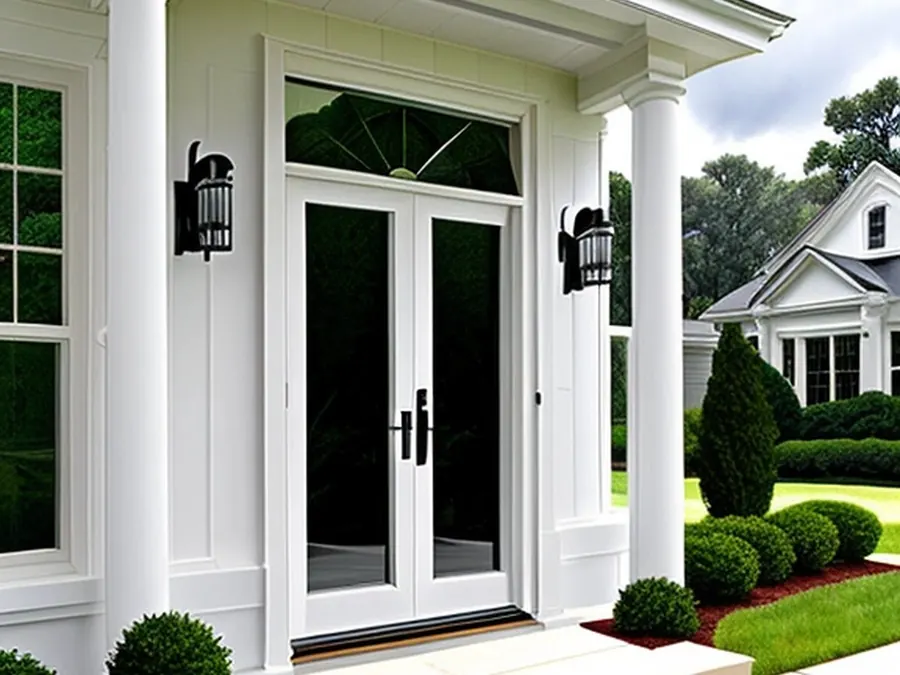
Knowing how to install a storm door adds a layer of weather protection and lets you leave the entry door open for light and air. The unit comes as a kit with the frame, the door, the closer, and the hardware, and it mounts onto the face of the entry door frame.
The whole job hinges on the hinge rail. If that rail is not plumb, the door will not close evenly, the latch will miss, and the closer will fight the frame. Set it right and the rest is fitting, sealing, and adjusting.
1. Measure the opening
Measure the width and height of the entry door frame from outside, at the face where the storm door will mount. Measure at the top, middle, and bottom of the width. Storm doors are sized to the opening, so a wrong measurement means a return trip.
2. Check the frame and the sill
Look for rot, loose trim, and peeling paint on the entry frame. A storm door screws into that frame, so soft wood will not hold. Repair or replace bad sections first, and check that the sill is sound and sloped to drain.
3. Decide the swing and the hinge side
Storm doors can usually be hung left or right, and the hinge side should match the entry door so the two open the same way. Check that the door will not hit a wall, a railing, or a step when it swings.
4. Assemble the frame
Lay the frame parts out and assemble the top and side rails per the instructions, usually with corner brackets. Leave the screws snug but not fully tight until the frame is in place on the door.
5. Set the hinge rail plumb
Hold the hinge side rail against the entry frame and check it with a level. This rail must be plumb, because the door hangs from it. Shim behind it if the entry frame is out of plumb, then drive the screws that hold it.
6. Attach the latch side and the header
Set the latch side rail so the opening width matches the door, and fasten the header across the top. Check the opening is square by measuring the diagonals: equal diagonals mean a square opening.
7. Hang the door
Set the door into the frame with the hinges on the hinge rail, and pin or screw them per the kit. With the door closed, check the gap around the door: it should be even at the top and along the latch side.
8. Install the closer
Mount the closer bracket on the door frame and the jamb bracket on the entry frame per the template, then attach the closer. Set the closer so the door closes fully but does not slam, and so it holds open when you push it past the hold open point.
9. Fit the latch, handle, and sweep
Install the handle and the latch strike so the door catches without a shove. Fit the sweep at the bottom so it just touches the sill or the threshold, and check that the door does not drag when it closes.
10. Seal the frame
Run a bead of exterior caulk along the top and down both sides where the storm door frame meets the entry frame, and leave the bottom open so water can drain. Check the door once more for an even gap, a smooth close, and a latch that catches.
Common mistakes
- Setting the hinge rail out of plumb.
- Fastening the frame to siding instead of the door frame.
- Installing the closer before the door is adjusted.
- Caulking the bottom closed and trapping water.
- Ignoring a rotted entry frame under the new door.
- Measuring the opening at only one point.
Related guides
- How to Adjust a Screen Door Closer
- How to Install a Screen Door
- How to Hang a Prehung Door
- How to Install a Door Stop Without Damaging the Door
- How to Hang a Door by Yourself
- How to Install a Pocket Door
FAQ
Can I install a storm door myself?
Yes, with a helper. The kit includes the frame and hardware, and the main skills are measuring, leveling, and sealing.
Does a storm door go over the existing door frame?
It mounts on the face of the entry door frame, on the exterior side, and does not replace the entry door.
Which side should the storm door hinge on?
The same side as the entry door, so both open the same way and the hardware is easy to reach.
Do I need to caulk around a storm door?
Yes, along the top and both sides. Leave the bottom open for drainage.
Why does my storm door slam?
The closer is set too fast or is mounted at the wrong angle. Adjust the closing speed screw.
More from this topic
- How to Install a Door Threshold: How to install a door threshold that seals the gap, sheds water, and does not trip anyone: measure, cut, bed...
- Gap Under an Exterior Door: A gap under an exterior door lets in cold air, bugs and water. Measure it, choose the right door sweep or...
- How to Install a Storm Window Over an Existing Window: How to install a storm window: measure the opening, fit the frame and panels, seal the edges without trapping...
- How to Adjust a Screen Door Closer: Learn how to adjust a screen door closer so it shuts without slamming, with the turnbuckle, the mounting...
- How to Install a Door Sweep to Stop Drafts, Water and Pests: Learn how to install a door sweep: measure the gap, choose the right type, cut it to fit, fix it to the door...
 Doors and WindowsHow to Install a Door ThresholdHow to install a door threshold that seals the gap, sheds water, and does not trip anyone: measure, cut, bed it in sealant, and fasten it down.
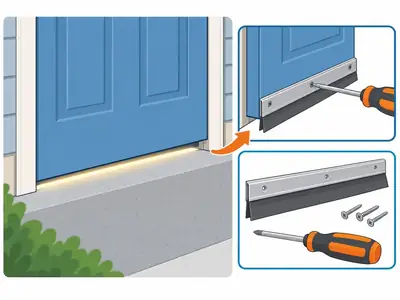 Doors and WindowsGap Under an Exterior DoorA gap under an exterior door lets in cold air, bugs and water. Measure it, choose the right door sweep or threshold fix and install it in under an hour.
 Doors and WindowsHow to Install a Storm Window Over an Existing WindowHow to install a storm window: measure the opening, fit the frame and panels, seal the edges without trapping moisture, and keep the weep holes open.
 Doors and WindowsHow to Adjust a Screen Door CloserLearn how to adjust a screen door closer so it shuts without slamming, with the turnbuckle, the mounting bracket and the latch check.
 Doors and WindowsHow to Install a Door Sweep to Stop Drafts, Water and PestsLearn how to install a door sweep: measure the gap, choose the right type, cut it to fit, fix it to the door without blocking the swing and seal the ends.