
How to Lubricate a Garage Door the Right Way
Part of: Outdoors and garage · Also in: The Complete Guide to Outdoor and Yard Repair for Homeowners
- Difficulty
- Easy
- Time
- About 15 minutes per door
- Tools
- Garage door lubricant or white lithium grease, a ladder, rags and safety glasses
- Call a pro if
- The door is noisy even after lubrication, or you spot frayed cables, cracked springs or bent tracks, which are all pro repairs.
In this guide
- Power off first
- Wear protection
A squeaky, grinding garage door is usually just dry. Fifteen minutes with the right lubricant quiets most doors and helps the rollers, hinges and opener last longer. How to lubricate a garage door starts with the right lubricant, a garage door spray or white lithium grease rather than a penetrating oil.
1. Pick the right lubricant
1. Use a garage door spray lubricant or white lithium grease.
2. Skip standard penetrating oil sprays; they clean rather than lubricate and dry out fast.
3. Avoid heavy grease on nylon rollers; it gums up and collects grit.
4. One can of spray lubricant handles a full door with plenty left over.
2. Clean before you lube
1. Wipe the tracks inside and out with a rag to remove dust and cobwebs.
2. Vacuum loose grit from the track with a hose attachment.
3. Wipe the rollers and hinges free of old, dirty grease.
4. Lubricant over grit makes a grinding paste, so cleaning first matters.
3. Lubricate the rollers
1. Spray the roller bearings where the wheel meets the stem.
2. For metal rollers, coat the bearings and wipe away drips.
3. For nylon rollers, hit only the bearing, not the nylon wheel itself.
4. Spin each roller by hand so the lubricant works in.
4. Lubricate the hinges and springs area
1. Spray the pivot points on each hinge between the door panels.
2. Open and close the door by hand a few times to spread the lubricant.
3. A light spray on the torsion spring above the door cuts down on spring noise.
4. Wipe away any excess so it does not drip on the car or floor.
5. Lubricate the opener drive
1. For chain-drive openers, apply a thin coat of lubricant along the chain.
2. For screw-drive openers, grease the threaded rail per the manual.
3. Belt-drive openers need no lubrication on the belt; skip it.
4. Run the opener through a full cycle to distribute the lubricant.
6. Skip these parts
1. Do not lubricate the tracks themselves; rollers should grip, not slide, and a greasy track collects grit.
2. Do not lubricate nylon roller wheels or the belt on a belt-drive opener.
3. Do not lubricate the photo-eye sensors; wipe their lenses with a dry cloth only.
4. When in doubt, less is more; excess lubricant attracts dirt.
7. Test and listen
1. Reconnect the opener and run the door up and down twice.
2. Listen for any squeak or grind that remains and touch up that spot.
3. A door that still groans after lubrication may have worn rollers or a spring problem.
4. Repeat the whole routine every six months, spring and fall.
Common mistakes
- Spraying the tracks, which makes rollers slip and collects grit into a grinding paste.
- Using a light penetrating oil instead of real lubricant; it quiets the door for a week and then dries out.
- Ignoring the hinges and opener drive while only spraying the rollers.
- Lubricating over dirt without wiping first, which grinds grit into the bearings.
Related guides
- How to Use a Torque Wrench the Right Way
- How to Install a Garage Door Bottom Seal
- How to Fix Garage Door Sensor Alignment
- How to Clean Garage Door Panels Without Damaging the Finish
- How to Program a Garage Door Opener Remote
- How to Insulate a Garage Door With a DIY Kit and Cut Drafts
FAQ
How often should I lubricate my garage door?
Twice a year is enough for most homes, ideally in spring and fall. If the door gets heavy daily use or you hear noise sooner, lube it when it asks.
What lubricant should I use on a garage door?
A silicone or lithium garage door spray. Both stay put and handle temperature swings. Skip general penetrating oils; they are solvents, not lasting lubricants.
Why is my door still loud after lubricating?
Worn roller bearings, loose hardware or a spring problem. Tighten every hinge and bracket bolt you can reach, and if the noise continues, have a pro check the rollers and springs.
Should I lubricate the belt on a belt-drive opener?
No. Belts run dry. Lubricating a belt degrades the material and voids many warranties.
More from this topic
- Noisy Garage Door: What Each Sound Means and What to Do: A noisy garage door can mean dry rollers, loose hardware or a worn part. Learn what each sound points to and...
- How to Test Garage Door Balance in a Few Minutes: Learn how to test garage door balance safely: disconnect the opener, lift the door by hand, read what it...
- How to Clean a Garage Door Track: Learn how to clean a garage door track: clear grit, wipe the rails, lubricate right, and stop...
- How to Replace a Garage Door Roller: How to replace a garage door roller: work with the door closed, swap one roller at a time, and get the door...
- How to Store a Grill for Winter the Right Way: Learn how to store a grill for winter: deep clean the grates, protect the burners, disconnect the tank...
 Garage and OutdoorsNoisy Garage Door: What Each Sound Means and What to DoA noisy garage door can mean dry rollers, loose hardware or a worn part. Learn what each sound points to and which fixes are safe to do yourself.
 Garage and OutdoorsHow to Test Garage Door Balance in a Few MinutesLearn how to test garage door balance safely: disconnect the opener, lift the door by hand, read what it tells you and know when to call a technician.
 Garage and OutdoorsHow to Clean a Garage Door TrackLearn how to clean a garage door track: clear grit, wipe the rails, lubricate right, and stop sticking.
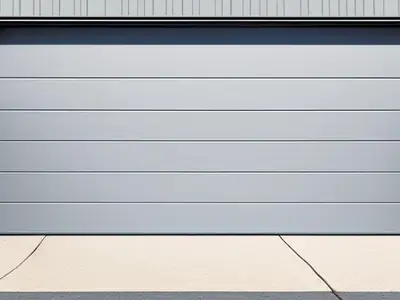 Garage and OutdoorsHow to Replace a Garage Door RollerHow to replace a garage door roller: work with the door closed, swap one roller at a time, and get the door running quiet again.
 Garage and OutdoorsHow to Store a Grill for Winter the Right WayLearn how to store a grill for winter: deep clean the grates, protect the burners, disconnect the tank safely, and cover it until spring.