
How to Fill a Gap Between a Baseboard and a Floor
Part of: Floors, walls and doors · Also in: The Complete Guide to Home Wall and Floor Repair
- Difficulty
- Easy
- Time
- 30 to 60 minutes
- Tools
- Painter's caulk or acrylic caulk, caulk gun, backer rod, utility knife, damp cloth, shoe molding, nails
- Call a pro if
- The gap is wider than half an inch or the floor moves, since that points to a structural or moisture problem.
In this guide
- Chemical safety
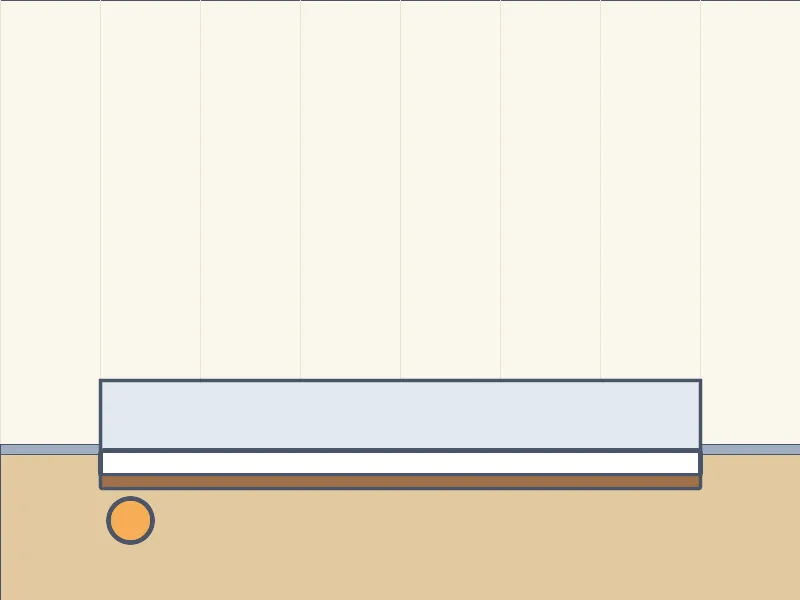
A gap under a baseboard is normal, and a small one is what lets a floor move without squealing. A big one lets in cold air, dust and insects, and it looks unfinished. The right filler depends on the size. Here is how to fill a gap between a baseboard and a floor.
1. Measure the gap
1. Slip a coin or a ruler into the gap.
2. Under an eighth of an inch is a caulk job.
3. Up to a quarter inch still takes caulk.
4. Over a quarter inch needs backer rod or trim.
2. Clean the joint
1. Vacuum the dust out.
2. Wipe with a damp cloth.
3. Let it dry fully.
3. Check the floor type
1. Wood floors move with the seasons.
2. Use a flexible acrylic caulk on wood.
3. Tile and vinyl move less.
4. Choose the filler
1. Painter's caulk for a painted baseboard.
2. Acrylic caulk for a wider gap.
3. Silicone only where water is involved.
5. Mask if the finish is fussy
1. Tape the floor along the baseboard.
2. Tape the baseboard above the gap.
6. Fill a wide gap with backer rod
1. Push foam rod into the gap.
2. Leave it a quarter inch below the surface.
3. Caulk over it.
7. Run the bead
1. Cut the tip small.
2. Push the gun along the joint.
3. Keep the tip in the caulk.
8. Tool it once
1. Wet your finger and drag.
2. One pass only.
9. Wipe the excess
1. A damp cloth takes the smear off the floor.
2. Change the cloth often.
10. Paint the caulk
1. Acrylic caulk takes paint.
2. Paint after it skins over.
11. Add shoe molding for a big gap
1. Shoe molding covers a gap up to half an inch.
2. Nail it to the baseboard, not the floor.
3. Caulk the top edge only.
12. Deal with a gap that keeps opening
1. A gap that reopens means movement.
2. Check for a loose baseboard.
3. Check the floor for swelling.
Common mistakes
- Caulking over dust.
- Using silicone on a painted baseboard.
- A tip cut too wide.
- Tooling the bead more than once.
- Covering a half inch gap with caulk alone.
FAQ
What do you use to fill a gap under a baseboard?
Painter's caulk for small gaps, backer rod and caulk or shoe molding for larger ones.
Should there be a gap between baseboard and floor?
A small one, so the floor can move. It should not be wide enough to see daylight.
Can I use silicone under a baseboard?
Only in a wet area. Silicone will not take paint.
How long before I can paint new caulk?
Once it has skinned over, usually an hour or two.
Related guides
- How to Fix a Gap in Caulk or Baseboards: How to fix a gap in caulk or baseboards with paintable caulk, a caulk gun and a damp finger. Easy steps,...
- How to Install Shoe Molding: How to install shoe molding: cut the profile to fit the floor gaps, cope the inside corners, nail into the...
- How to Fill a Gap Between Tile and a Wall: Learn how to fill a gap between tile and a wall with the right sealant: clean the joint, back it if it is...
- How to Fill Gaps Between Hardwood Floorboards: How to fill gaps between hardwood floorboards: tell seasonal movement from a real problem, fill narrow gaps,...
- How to Fix a Gap Between Wall and Ceiling: Learn how to fix a gap between wall and ceiling, from caulk for hairlines to taped compound repairs for wider...
 Walls and PaintHow to Fix a Gap in Caulk or BaseboardsHow to fix a gap in caulk or baseboards with paintable caulk, a caulk gun and a damp finger. Easy steps, tools and a clean finish. Know when to replace trim.
 Walls and PaintHow to Install Shoe MoldingHow to install shoe molding: cut the profile to fit the floor gaps, cope the inside corners, nail into the baseboard, and finish a clean line.
 BathroomHow to Fill a Gap Between Tile and a WallLearn how to fill a gap between tile and a wall with the right sealant: clean the joint, back it if it is deep, and tool a neat bead.
 FloorsHow to Fill Gaps Between Hardwood FloorboardsHow to fill gaps between hardwood floorboards: tell seasonal movement from a real problem, fill narrow gaps, and use wood slivers for wide ones.
 DrywallHow to Fix a Gap Between Wall and CeilingLearn how to fix a gap between wall and ceiling, from caulk for hairlines to taped compound repairs for wider seasonal openings.