
How to Fix a Crack in a Wall and Know If It Matters
Part of: Floors, walls and doors
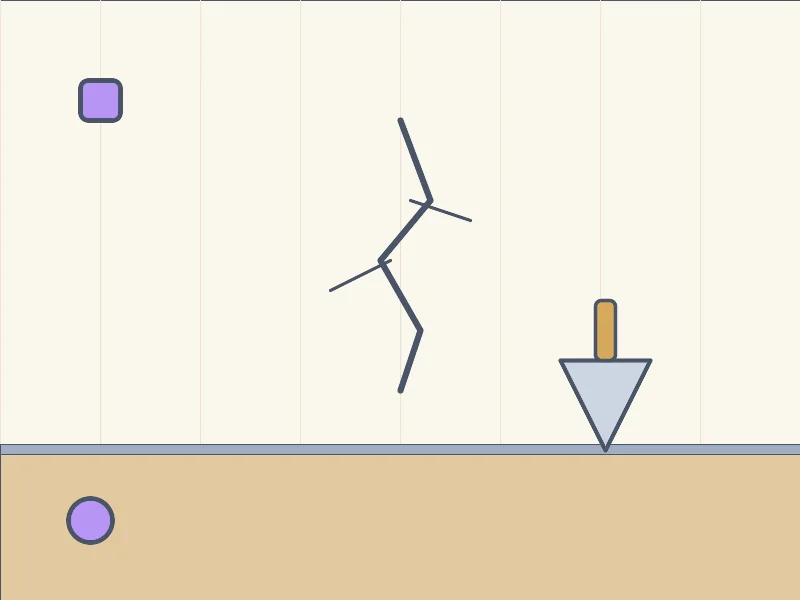
- Difficulty
- Easy to moderate
- Time
- 1 hour plus drying
- Tools
- Filler or patching plaster, putty knife, scraper, sandpaper, joint tape, primer, paint, dust mask
- Call a pro if
- The crack is wider than about 1/4 inch (5 mm), runs diagonally from a corner, is widening, or appears with a sticking door or a sloping floor, since those need a structural assessment.
In this guide
- Wear protection
Most cracks in a wall are cosmetic. Plaster shrinks, timber moves and filler dries out, and a hairline appears. A few cracks mean something else. Knowing the difference decides whether you fill it or call someone. Here is how to fix a crack in a wall.
1. Judge the crack
Usually cosmetic:
- Hairline cracks under 1/32 inch (1 mm).
- Cracks at the joint between a wall and a ceiling.
- Cracks above a door or window where plaster meets the frame.
- Cracks that appeared after a new build or a recent plastering job.
Get it checked:
- Cracks wider than 1/4 inch (5 mm).
- Diagonal cracks from the corner of a door or window.
- Cracks that are getting longer or wider.
- Cracks with a step in the brickwork outside.
- Cracks alongside a door that no longer closes.
2. Test whether it is still moving
1. Make a small pencil mark across the crack at each end.
2. Note the date.
3. Check again in a month.
4. If the marks have moved apart, the crack is active.
5. Fill an active crack only after it has stopped, or it will reappear.
3. Prepare the crack
1. Run a putty knife along the crack to open it slightly into a V.
2. Remove loose plaster and dust.
3. Dampen the crack if using patching plaster.
4. Vacuum out the dust.
4. Fill a fine crack
1. Use a fine surface filler.
2. Press it in with a putty knife, across the crack, not along it.
3. Scrape flush.
4. Let it dry.
5. Sand smooth, then prime and paint.
5. Fill a wider crack
1. Open the crack to a V shape so the filler has something to grip.
2. Fill in layers, letting each dry.
3. For a crack that keeps returning, embed joint tape or a self-adhesive mesh.
4. Skim over the tape with filler, feathering the edges wide.
5. Sand flat with a block.
6. Deal with plaster that has blown
1. Tap the wall; a hollow sound means the plaster has separated.
2. Cut back the loose plaster to sound material.
3. Prime the exposed surface.
4. Patch with patching plaster in thin coats.
5. Sand and paint. Our guide on patching drywall covers the same technique on drywall.
7. Finish it invisibly
1. Prime the repair, since filler absorbs paint differently.
2. Paint the whole wall, corner to corner, not just the patch.
3. Use the same sheen as the rest of the wall.
8. Stop the cause
- Fix a leaking gutter or roof, which causes cracks from damp movement.
- Keep the heating steady; big swings move plaster.
- Ventilate bathrooms and kitchens.
- Do not screw heavy items into cracked plaster.
- Let new plaster dry fully before painting.
9. When to call someone
Call a structural engineer or a licensed building inspector if:
- The crack is wider than 1/4 inch (5 mm).
- It is diagonal and widening.
- Doors or windows stick for no other reason.
- The floor slopes.
- The crack is on an external wall and visible outside too.
Common mistakes
- Filling an active crack, which reappears in weeks.
- Filling a wide crack in one thick layer.
- Sanding before the filler is dry.
- Painting only the patch, leaving a halo.
- Ignoring a crack that is getting bigger.
Related guides
FAQ
Are cracks in walls normal?
Hairline cracks from shrinkage and settlement are common and cosmetic.
How wide a crack is a problem?
Wider than about 1/4 inch (5 mm), or any crack that is widening, needs an assessment.
What is the best filler for wall cracks?
A fine surface filler for hairline cracks, patching plaster for larger ones, with tape for cracks that return.
Why does my crack keep coming back?
The movement has not stopped, or the filler has nothing to grip. Open it, tape it, and check the cause.
More from this topic
- How to Fix a Crack Above a Door or Window: How to fix a crack above a door or window: read the cause, tape and fill the corner, and know when a...
- How to Cut Drywall: Learn how to cut drywall cleanly: score the face, snap it, cut the back, and make outlet and corner cuts that...
- How to Fix a Ceiling Crack (Hairline Cracks and Larger Gaps): Fix a ceiling crack by determining if it is cosmetic or structural, then opening, filling and taping drywall...
- How to Fix Nail Pops in Drywall and Stop Them Coming Back: Learn how to fix nail pops in drywall: drive a screw nearby, set it below the surface, fill with compound,...
- How to Install Corner Bead: How to install corner bead on drywall: cut it to length, set it plumb, fasten it evenly, and coat it so the...
 Walls and PaintHow to Fix a Crack Above a Door or WindowHow to fix a crack above a door or window: read the cause, tape and fill the corner, and know when a recurring crack needs a professional look.
 Walls and PaintHow to Cut DrywallLearn how to cut drywall cleanly: score the face, snap it, cut the back, and make outlet and corner cuts that fit without crumbling.
 Walls and PaintHow to Fix a Ceiling Crack (Hairline Cracks and Larger Gaps)Fix a ceiling crack by determining if it is cosmetic or structural, then opening, filling and taping drywall cracks so they do not return.
 Walls and PaintHow to Fix Nail Pops in Drywall and Stop Them Coming BackLearn how to fix nail pops in drywall: drive a screw nearby, set it below the surface, fill with compound, sand, prime and paint.
 Walls and PaintHow to Install Corner BeadHow to install corner bead on drywall: cut it to length, set it plumb, fasten it evenly, and coat it so the corner reads as a sharp line.