
How to Fix a Wet Basement Corner
Part of: Tools and everyday fixes
- Difficulty
- Moderate
- Time
- 4 to 8 hours
- Tools
- Shovel, downspout extensions, hydraulic cement, masonry sealer, brush, hose, gloves, eye protection
- Call a pro if
- Water runs in during rain no matter what you do outside, since that needs exterior waterproofing or interior drainage.
In this guide
- Wear protection
- Call 811 before digging
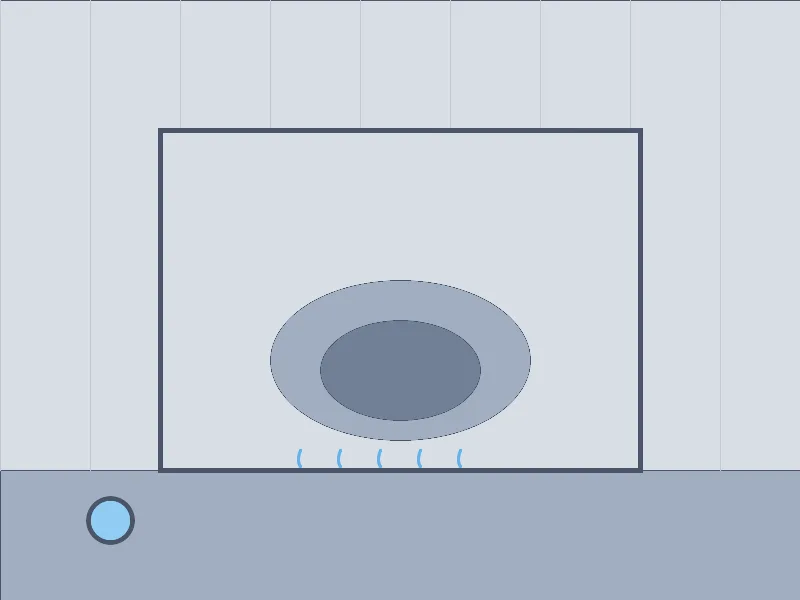
One wet corner is the most common basement complaint, and it is nearly always water collecting outside that corner. The fix is outside first: grade, gutters, downspouts. Only then does sealing the inside make sense. Here is how to fix a wet basement corner.
1. Watch it during rain
1. Go out during a steady rain.
2. Watch the corner from a distance.
3. Look for water running toward the wall.
4. Check the downspout outlet.
5. Photograph the pattern.
2. Check the grade at that corner
1. Soil should fall away from the wall.
2. Aim for about 6 inches over 10 feet.
3. Look for a dip where water collects.
4. Check under decks and porches.
3. Fix the downspouts
1. The corner downspout is often the culprit.
2. Check that it discharges well away from the wall.
3. Extend it 4 to 6 feet.
4. Keep the extension sloping away.
4. Check the gutter above
1. An overflowing gutter dumps water at the corner.
2. Clear the gutter and the outlet.
3. Check the slope toward the downspout.
4. A short gutter run over a corner is a common cause.
5. Look for cracks outside
1. Check the foundation wall at the corner.
2. Look for a vertical crack or a gap at the mortar joint.
3. Check where the siding meets the foundation.
4. Seal cracks with the right masonry product.
5. A wide crack needs professional repair.
6. Seal inside, if needed
1. Chip the crack open to a sound edge.
2. Dampen the concrete.
3. Press hydraulic cement into the crack.
4. Hold it until it sets.
5. Coat with a masonry sealer once cured.
7. Deal with the wall finish
1. Paint or paneling traps moisture against the wall.
2. Pull back anything that touches the concrete.
3. Let the wall dry before covering it again.
4. Use a breathable finish if you cover it.
8. Control the humidity
1. Run a dehumidifier while the wall dries.
2. Keep the basement ventilated.
3. Do not store boxes against the wall.
4. Watch for mildew on the corner.
9. Know when to call
1. Water still comes in after grading and downspouts.
2. The wall bows or has a horizontal crack.
3. Water comes up through the floor.
4. Efflorescence keeps returning.
5. Those need exterior waterproofing or interior drainage.
10. Check the corner in winter
1. Frost heave opens cracks at a wet corner.
2. Look at the wall each spring for new cracks.
3. Keep snow off the corner where you can.
4. Recheck the caulk after the thaw.
5. A corner that cracks every year needs exterior work.
11. Keep it dry
- Check the grade each spring.
- Clear the gutters twice a year.
- Recheck the downspout extensions each fall.
- Look at the corner after every big storm.
- Note the date of any sealing work.
Common mistakes
- Sealing the inside and leaving the outside water alone.
- Extending a downspout into a flower bed against the wall.
- Building soil up over the siding.
- Painting a damp wall.
- Ignoring a horizontal crack.
Related guides
- How to Install a Sump Pump
- How to Stop Water Coming Through a Basement Floor
- How to Use a Wet Dry Vac for Wet and Dry Messes
FAQ
Why is only one corner wet?
That corner collects the water: a low grade, a downspout, or a gutter that overflows there.
Will sealing the inside stop it?
Only for slow seepage. Water under pressure finds another way in.
Is a wet corner always a foundation problem?
No. Most cases are grading and roof water.
How much does exterior waterproofing cost?
It varies widely by access and length; get two quotes before committing.
More from this topic
- How to Fix a Cracked Window Well: Learn how to fix a cracked window well: find why it cracked, patch small cracks, repair or replace the well...
- How to Install a Weeping Tile Drain: Learn how to install a weeping tile drain: plan the slope, dig the trench, lay fabric and perforated pipe in...
- How to Install a Sump Pump: How to install a sump pump: size the pit and the pump, set it level, plumb a discharge that drains away, and...
- How to Stop Water Coming Through a Basement Floor: How to stop water coming through a basement floor: find where it enters, fix the outside first, then seal,...
- How to Waterproof a Basement Wall From the Inside: How to waterproof a basement wall from the inside: find the source, fix outside water first, inject cracks,...
 First HomeHow to Fix a Cracked Window WellLearn how to fix a cracked window well: find why it cracked, patch small cracks, repair or replace the well wall and keep water draining away from the window.
 First HomeHow to Install a Weeping Tile DrainLearn how to install a weeping tile drain: plan the slope, dig the trench, lay fabric and perforated pipe in gravel and lead water away from the foundation.
 First HomeHow to Install a Sump PumpHow to install a sump pump: size the pit and the pump, set it level, plumb a discharge that drains away, and test it before the first storm.
 First HomeHow to Stop Water Coming Through a Basement FloorHow to stop water coming through a basement floor: find where it enters, fix the outside first, then seal, drain or patch the floor the right way.
 First HomeHow to Waterproof a Basement Wall From the InsideHow to waterproof a basement wall from the inside: find the source, fix outside water first, inject cracks, and know when sealer fails.