
How to Get Rid of Bats in the Attic
Part of: Electrical safety
- Difficulty
- Medium
- Time
- Several evenings of watching, plus a weekend for sealing
- Tools
- A ladder, a flashlight, one-way exclusion devices, caulk, hardware cloth and gloves
- Call a pro if
- The colony is large, pups may be present during maternity season, anyone may have been bitten or scratched, or entry points are high or hard to reach.
In this guide
- Wear protection
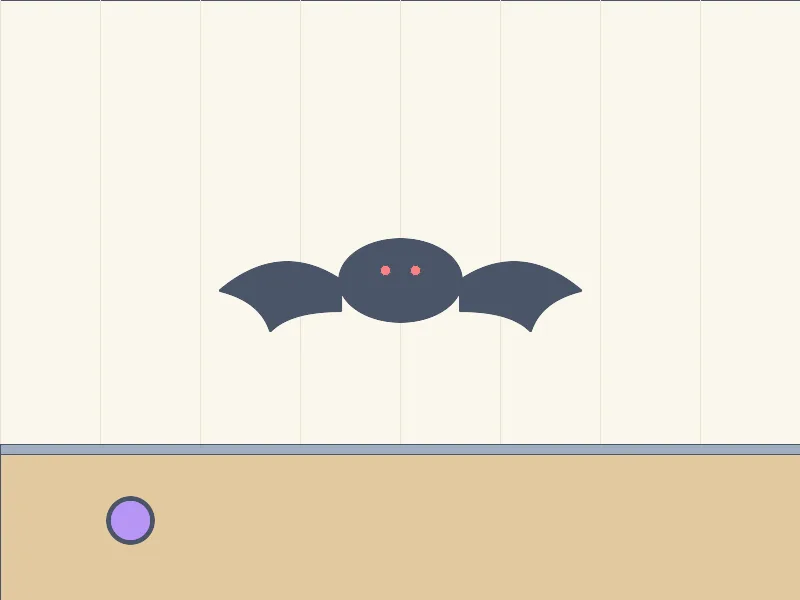
Bats slip into attics through gaps as small as a thumb and settle in to roost. The humane, legal way to remove them is exclusion: let them out and keep them from coming back. Here is how to get rid of bats in the attic the right way.
1. Confirm you have bats
1. Listen for scratching and squeaking at dusk and dawn.
2. Look for droppings, called guano, below entry points and in the attic.
3. Check for dark rub stains around gaps and a musty smell.
4. Confirming bats, not mice or birds, shapes the whole plan.
2. Check timing before you act
1. Find out when maternity season runs in your area.
2. Never exclude during that window, since pups cannot fly yet.
3. Late summer and early fall are usually the safe window.
4. Trapping pups inside is inhumane and often illegal.
3. Find every entry point
1. Watch the house at dusk to see where bats exit.
2. Inspect eaves, vents, soffits, chimneys and siding gaps.
3. Look for gaps as small as half an inch.
4. Mark each hole so nothing gets missed at sealing time.
4. Install one-way exclusion devices
1. Fit exclusion tubes or netting over the main entry points.
2. These let bats leave at night but block re-entry.
3. Leave devices in place for at least several nights.
4. Every bat must exit before you seal for good.
5. Seal the secondary gaps first
1. Seal every gap except the active exits before excluding.
2. Use caulk, hardware cloth and flashing as fits the gap.
3. This forces bats to leave through your one-way devices.
4. Skipping this step just moves them to another hole.
6. Remove devices and seal the exits
1. After several quiet nights, confirm no bats remain.
2. Take down the exclusion devices.
3. Seal the final entry points permanently.
4. Check the attic at dusk to be sure nothing is trapped.
7. Clean up safely
1. Mist guano with water before disturbing it to keep dust down.
2. Wear a respirator, gloves and protective clothing.
3. Bag droppings and soiled insulation for disposal.
4. Disinfect the area and wash up thoroughly afterward.
8. Keep them from returning
1. Inspect the roofline and vents every season.
2. Maintain screens on vents and caps on chimneys.
3. Trim branches that give easy access to the roof.
4. A sealed, maintained exterior keeps bats out for good.
Common mistakes
- Excluding during maternity season and trapping flightless pups inside.
- Sealing every hole at night without one-way exits, which locks bats in the house.
- Missing small gaps; bats need only about half an inch to get in.
- Sweeping dry guano, which sends dangerous fungal spores into the air.
FAQ
Is it legal to remove bats myself?
Exclusion is generally legal, but many bat species are protected, and killing them is often illegal. Rules vary by area, especially around maternity season, so check local regulations before you start.
How do bats get into an attic?
Through small gaps along eaves, loose soffits, vents, chimneys and where siding meets the roofline. A gap the width of a thumb is big enough for most bat species.
Will bats leave on their own?
Some migrate seasonally, but many return to the same roost year after year. If you do nothing, the colony usually stays or grows, so exclusion plus sealing is the reliable fix.
What should I do if a bat gets into my living space?
Close it in one room, open a window, and let it fly out at night. If anyone may have been bitten or had direct contact, contact a doctor promptly, since rabies exposure needs medical advice.
Related guides
- How to Get Rid of Stink Bugs in the House: Learn how to get rid of stink bugs: seal entry points before fall, remove them without the smell, and keep...
- How to Keep Squirrels Out of the Attic: Learn how to keep squirrels out of the attic: find the entry holes, get the animals out safely, seal every...
- How to Remove Old Insulation From an Attic: How to remove old insulation from an attic safely: test for asbestos first, bag it, protect yourself, and...
- How to Get Rid of Boxelder Bugs Around Your Home: Learn how to get rid of boxelder bugs: seal entry points before fall, remove them safely indoors, and cut off...
- How to Get Rid of Crickets in Your Home: Learn how to get rid of crickets: find where they hide, cut moisture and entry points, trap them, and keep...
 Garage and OutdoorsHow to Get Rid of Stink Bugs in the HouseLearn how to get rid of stink bugs: seal entry points before fall, remove them without the smell, and keep them from overwintering indoors.
 Garage and OutdoorsHow to Keep Squirrels Out of the AtticLearn how to keep squirrels out of the attic: find the entry holes, get the animals out safely, seal every gap and stop them chewing back in.
 SafetyHow to Remove Old Insulation From an AtticHow to remove old insulation from an attic safely: test for asbestos first, bag it, protect yourself, and leave the attic ready for new insulation.
 Garage and OutdoorsHow to Get Rid of Boxelder Bugs Around Your HomeLearn how to get rid of boxelder bugs: seal entry points before fall, remove them safely indoors, and cut off what draws them in.
 Garage and OutdoorsHow to Get Rid of Crickets in Your HomeLearn how to get rid of crickets: find where they hide, cut moisture and entry points, trap them, and keep them out.