
How to Remove Old Insulation From an Attic
Part of: Electrical safety
- Difficulty
- Hard
- Time
- 1 to 3 days
- Tools
- respirator with P100 filters, disposable coveralls, gloves, eye protection, headlamp, heavy duty bags, shop vacuum with HEPA filter, rake, dustpan, spray bottle, ladder, drop cloths
- Call a pro if
- The insulation is loose fill that may contain asbestos, the attic has vermin droppings, there is mold on the framing, or the insulation is vermiculite, which may contain asbestos.
In this guide
- Wear protection
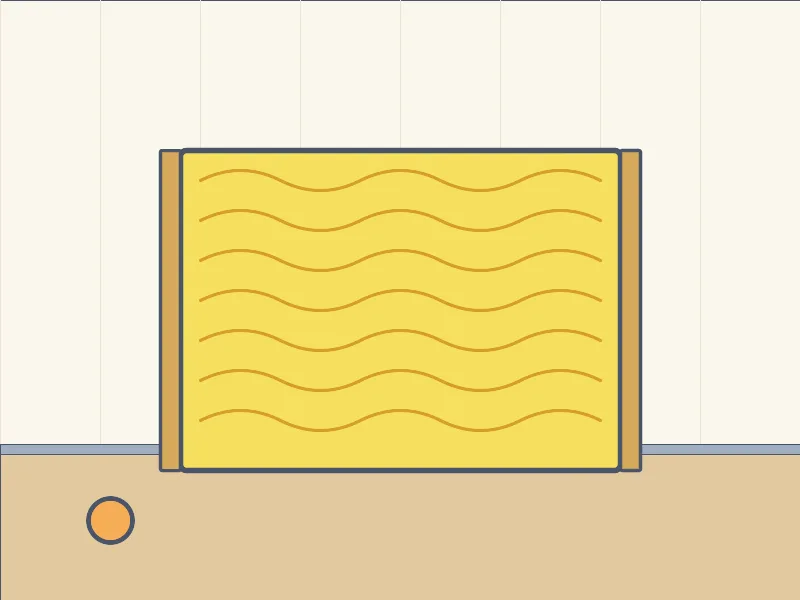
Removing old attic insulation is a job people take on to fix a problem: insulation that got wet from a roof leak, insulation that was compressed by stored boxes and no longer works, insulation full of rodent droppings, or insulation that has to come out so the ceiling can be air sealed properly. Identifying the material comes before any bagging in how to remove old insulation from an attic.
It is also one of the least pleasant jobs in a house. Plan it as a real project with the right gear, the right number of bags, and a realistic schedule.
1. Identify what is up there
Look at the material. Loose fill looks like shredded paper, rock wool, or small gray pebbles. Batts look like blankets. Vermiculite looks like small lightweight pebbles with a metallic sheen, and it is the one to treat with the most caution.
If the house was built before the 1990s, or if you see vermiculite, stop and have a sample tested by a lab before you disturb anything. Testing is inexpensive compared to the alternative.
2. Deal with moisture and pests first
If the insulation is wet, find and fix the leak before removing it. If there are droppings, mold, or dead animals, this is a cleanup job with health risks. Wet the material slightly to keep dust down, wear a proper respirator, and consider hiring a professional for heavy contamination.
3. Set up the attic
Lay down a walkway first so you are not stepping between joists. Set up a bright work light. Bring in bags, a rake, a dustpan, and a spray bottle. Have a second person below to move full bags out. Keep the hatch clear.
4. Seal the attic from the house
Tape plastic over the hatch opening around the frame, and cover the floor below with a drop cloth. Close the HVAC returns and shut off any air handler in the attic. You do not want attic dust pulled into the house ductwork.
5. Dress for it
Fitted respirator with P100 filters, not a dust mask. Disposable coveralls with the hood up. Gloves, eye protection, and a headlamp. Tape the wrists and ankles. When you finish, take the coveralls off before you go into the house and shower immediately.
6. Bag as you go
Use heavy duty bags and fill them to a weight you can actually carry down a ladder, roughly half full. Loose fill is very light but bulky, so bags get big fast. Do not drag bags across the ceiling; carry them to the hatch.
7. Work in sections
Rake the material into a pile, scoop it into a bag, and work from the far end back toward the hatch. That way you are never walking over the area you already cleaned. Keep the spray bottle handy to dampen dusty spots.
8. Clean the surface
After the bulk is out, vacuum the joist bays with a shop vacuum fitted with a HEPA filter. Do not use a household vacuum. Wipe down the rafters and the sheathing where dust has settled. Any remaining material will sit under the new insulation.
9. Inspect and air seal while it is open
This is the payoff. With the attic empty, look for gaps around wires, pipes, top plates, and light fixtures, and seal them with caulk or foam. Check for wet sheathing, mold, damaged wiring, and disconnected ducts. Fix these now, because you will not want to move the new insulation again.
10. Dispose and plan the new insulation
Check local rules for disposal. Insulation usually goes in heavy bags as construction debris, and some areas require it to be double bagged. Then plan the replacement: the right R value for your climate, a vapor strategy that fits the house, and a proper vent path at the eaves. If you are unsure what R value the attic needs, how to check attic insulation walks through the measurement.
Common mistakes
- Removing insulation without testing for asbestos in an older house.
- Wearing a dust mask instead of a fitted respirator.
- Filling bags so heavy they tear on the ladder.
- Skipping air sealing, then covering the same gaps with new insulation.
- Using a household vacuum and blowing fine dust through the house.
- Leaving the HVAC system running while the attic is being emptied.
Related guides
FAQ
How do I know if my insulation has asbestos?
Only a lab test tells you. Vermiculite and pre 1990s loose fill are the main concerns. Take a small sample following the lab's instructions, or hire a professional to sample it.
Can I just add new insulation over the old?
Yes, if the old insulation is dry, clean, and not compressed. Adding over contaminated or wet insulation traps the problem.
How many bags will I need?
Loose fill is bulky. For a typical attic, plan on far more bags than you expect, and buy them before you start so you are not stopping halfway.
Is it worth paying someone to remove it?
For a large attic, heavy contamination, or any asbestos concern, yes. The work is slow, hot, and hard on the body.
What should I wear?
A fitted P100 respirator, disposable coveralls, gloves, eye protection, and a headlamp. Tape your wrists and ankles.
More from this topic
- Asbestos in the Home: Where It Hides and What to Do: Asbestos in the home is a job for licensed pros. Learn where it hides in old homes, how to test, and when...
- How to Dispose of Old Batteries Safely: Learn how to dispose of old batteries safely: sort by type, tape the ends, store them until drop off and use...
- How to Get Rid of Bats in the Attic: Learn how to get rid of bats in the attic: find entry points, exclude them humanely, seal gaps, and clean up...
- How to Make an Attic Safe to Walk In: How to make an attic safe to walk in: lay a walkway, mark the joists, add light, protect from insulation and...
- How to Dispose of Leftover Paint: How to dispose of leftover paint the right way: dry out small amounts of latex, treat oil based paint as...
 SafetyHow to Dispose of Old Batteries SafelyLearn how to dispose of old batteries safely: sort by type, tape the ends, store them until drop off and use a recycling point instead of the household trash.
 SafetyHow to Get Rid of Bats in the AtticLearn how to get rid of bats in the attic: find entry points, exclude them humanely, seal gaps, and clean up safely.
 SafetyHow to Make an Attic Safe to Walk InHow to make an attic safe to walk in: lay a walkway, mark the joists, add light, protect from insulation and heat, and know where not to step.
 SafetyHow to Dispose of Leftover PaintHow to dispose of leftover paint the right way: dry out small amounts of latex, treat oil based paint as hazardous waste, and find a drop off.