
How to Hang a Wall Cabinet Safely on Studs
Part of: Kitchen
- Difficulty
- Moderate
- Time
- 1 to 2 hours per cabinet
- Tools
- Stud finder, 4 foot level, tape measure, pencil, drill, cabinet screws, ledger board, clamps, shims, screwdriver, step stool or platform
- Call a pro if
- The wall has no accessible studs where the cabinet must hang, the wall is bowed, or the cabinet is heavy glass or solid wood that needs a rail system.
In this guide
- Wear protection
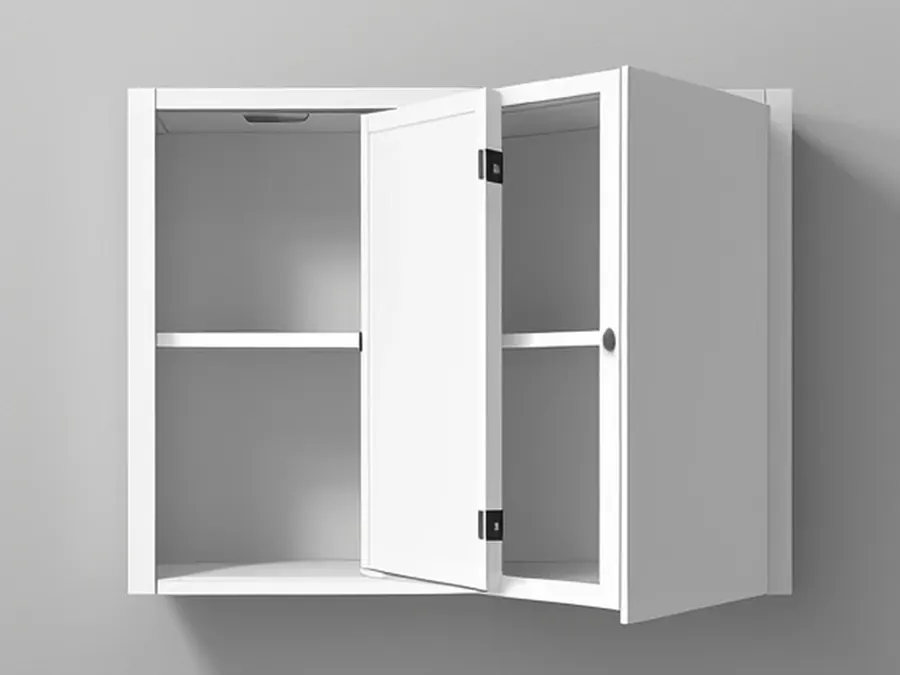
A wall cabinet holds dishes, cans, and glass, and it hangs above a counter where people stand. The fasteners are the whole job in how to hang a wall cabinet, and the studs decide which ones you can use. That makes it the one cabinet where the fastening really matters. The screws have to reach the studs, and the cabinet has to be level before it is loaded.
The job goes smoothly with a ledger board and a helper. Here is how to hang a wall cabinet safely.
1. Find the studs
1. Run a stud finder along the wall at cabinet height.
2. Mark each stud with a pencil line, and confirm with a thin nail or a magnet.
3. Note the spacing, usually 16 or 24 inches on center.
4. Check for wiring and pipes before drilling anywhere.
If the studs do not line up with the cabinet's hanging rail, you may need a rail system or added blocking inside the wall.
2. Set the height
Wall cabinets usually hang 18 inches above the countertop, or 54 inches from the floor, but check the design and the appliance clearances.
- Measure the height at several points, since floors slope.
- Mark a level line across the run.
- Check the line with a 4 foot level.
Above a range, follow the hood or microwave instructions for clearance.
3. Screw a ledger board to the wall
The ledger is a temporary board that holds the cabinet while you fasten it.
1. Cut a straight board a little longer than the cabinet.
2. Screw it to the studs so its top edge is at the bottom line of the cabinet.
3. Check that the ledger is level, since the cabinet will rest on it.
This one step turns a two person balancing act into a controlled lift.
4. Prepare the cabinet
- Remove the doors and shelves to reduce weight.
- Mark the stud locations on the cabinet's hanging rail.
- Drill pilot holes at those marks.
- Check that the cabinet is square, since a racked cabinet will not sit flat.
5. Lift the cabinet onto the ledger
With a helper:
1. Lift the cabinet and set its bottom edge on the ledger.
2. Hold it against the wall.
3. Check the level across the top and the side.
4. Shim behind the rail where the wall is not flat.
Do not let go until at least two screws are in.
6. Fasten into the studs
1. Drive cabinet screws through the hanging rail into the studs.
2. Use two screws per stud where the rail allows.
3. Add a shim behind the rail wherever there is a gap, so the screw pulls tight without bowing the cabinet.
4. Check the level again after the first screws.
Use screws long enough to bite into the stud by at least an inch, and no longer than the wall depth allows.
7. Fasten the cabinets to each other
If there is more than one cabinet in the run:
- Clamp the faces together.
- Check that the fronts line up and the tops are level.
- Screw through the face frames, or use the connecting bolts the cabinets came with.
Cabinets that are screwed together share the load and stay in line.
8. Remove the ledger and finish
1. Take out the ledger screws.
2. Fill the holes in the wall if the ledger was visible.
3. Fit the doors and shelves.
4. Check that the doors close evenly and the gaps are consistent.
9. Load it gradually
Put the heavy items on the bottom shelf, and spread the weight.
- Check the cabinet for movement after loading.
- Look at the gap at the top of the cabinet, which will open if it is pulling away.
- If anything moves, unload it and add fasteners.
Common mistakes
- Hanging a cabinet on drywall anchors alone.
- Drilling without checking for wiring or pipes.
- Trying to lift a cabinet alone and dropping it.
- Skipping the ledger and fighting the cabinet into place.
- Loading a cabinet before checking the fasteners.
FAQ
Can I hang a wall cabinet without studs?
Not safely for a normal cabinet. Add blocking inside the wall, or use a rail system designed for the purpose, installed into framing.
How high should a wall cabinet be?
Usually 18 inches above the countertop, or 54 inches from the floor. Check the design and the appliance clearances.
What screws should I use?
Cabinet screws or structural screws long enough to reach the stud by at least an inch. Drywall screws are not made for this.
Can I hang a cabinet on a brick wall?
Yes, with the right anchors for masonry, or with a rail bolted into the brick. That is a job for someone experienced with masonry fasteners.
Related guides
- How to Install a Tile Backsplash on a Kitchen Wall: Learn how to install a tile backsplash: plan the layout and outlets, prep the wall, apply adhesive, set tiles...
- How to Level Kitchen Cabinets Before the Countertop Goes On: How to level kitchen cabinets: set the base run first, shim front and back, check level and straightness, and...
- How to Organize Kitchen Cabinets Around How You Cook: Learn how to organize kitchen cabinets by zones: empty and clean them, group by task, set shelf heights, use...
- How to Paint Kitchen Cabinets: Paint kitchen cabinets with a durable finish by removing doors, degreasing and sanding, priming with bonding...
- How to Scribe a Board to a Wall: How to scribe a board to a wall so it fits a wavy surface: set a compass to the widest gap, follow the wall,...
 KitchenHow to Install a Tile Backsplash on a Kitchen WallLearn how to install a tile backsplash: plan the layout and outlets, prep the wall, apply adhesive, set tiles with spacers, grout, seal and finish the edges.
 KitchenHow to Level Kitchen Cabinets Before the Countertop Goes OnHow to level kitchen cabinets: set the base run first, shim front and back, check level and straightness, and fasten the boxes so the countertop sits flat.
 KitchenHow to Organize Kitchen Cabinets Around How You CookLearn how to organize kitchen cabinets by zones: empty and clean them, group by task, set shelf heights, use drawers well and keep the system working.
 KitchenHow to Paint Kitchen CabinetsPaint kitchen cabinets with a durable finish by removing doors, degreasing and sanding, priming with bonding primer, and applying thin enamel coats.
 Walls and PaintHow to Scribe a Board to a WallHow to scribe a board to a wall so it fits a wavy surface: set a compass to the widest gap, follow the wall, and cut to the line.