
How to Level Kitchen Cabinets Before the Countertop Goes On
Part of: Kitchen
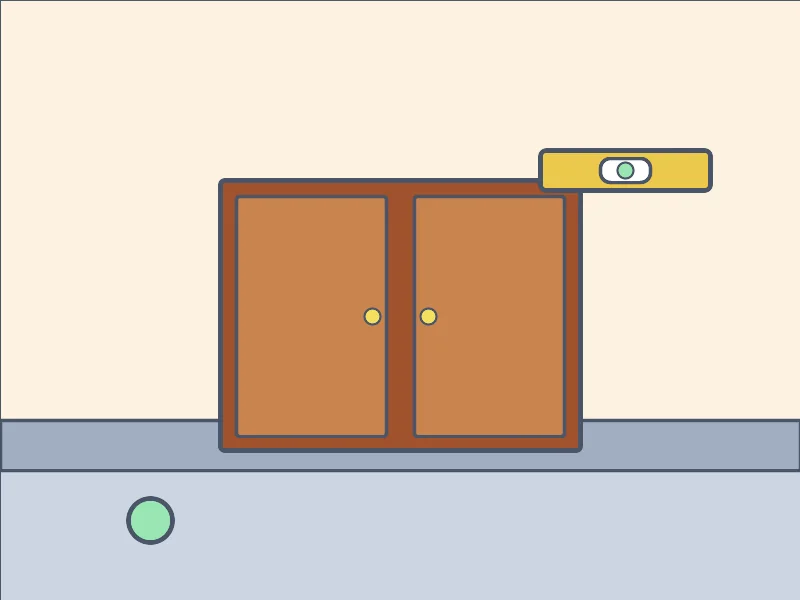
- Difficulty
- Moderate
- Time
- Half a day for a base cabinet run
- Tools
- 4 foot and 2 foot levels, wooden shims, tape measure, pencil, drill, cabinet screws, clamps, pry bar, utility knife, stud finder
- Call a pro if
- The floor is out of level by more than an inch across the run, the wall is bowed, or the cabinets are going on a wall that is not straight. Those need layout changes, not more shims.
In this guide
- Start with the floor and the wall
- Plan the layout and mark the walls
- Set the first cabinet
- Level the whole run, not each box
- Check the front line
- Fasten the cabinets to the wall
- Cut the shims and seal the base
- Check the countertop line
- Install the wall cabinets after the base
- Common mistakes
- FAQ
- When to call a pro
- Wear protection
A countertop only looks flat if the cabinets under it are level and in a straight line. Knowing how to level kitchen cabinets right is what keeps the countertop, the doors, and the appliances aligned. Every wobble, every high corner, and every cabinet that leans back shows up in the countertop seam, the backsplash, and the doors that will not line up.
Leveling is not difficult, but it has to be done in the right order.
1. Start with the floor and the wall
Before any cabinet goes in:
- Sweep and check the floor for high spots and dips with a long straightedge.
- Check the wall for straightness with a straightedge or a string line.
- Mark the high point of the floor, since everything else is shimmed up to it.
If the wall bows, the cabinets can be shimmed away from it at the ends and pulled tight in the middle, or a filler piece can absorb the gap.
2. Plan the layout and mark the walls
1. Mark the cabinet run on the wall, including the appliance openings.
2. Mark the height of the cabinet base, usually about 4 1/2 inches up for the toe kick, or as the design shows.
3. Mark the stud locations above and below the cabinets.
4. Check the corner for square, since a run that turns a corner needs the first cabinet set true.
3. Set the first cabinet
The first cabinet sets the line for the whole run, so take your time.
1. Place the cabinet against the wall at the mark.
2. Put a level on the cabinet floor, front to back and side to side.
3. Tap shims under the low corners until it is level both ways.
4. Check that the cabinet face is plumb, not leaning back.
Shim at the corners and at the middle of a wide cabinet, so the bottom does not bow.
4. Level the whole run, not each box
The cabinets have to be level with each other, not just individually.
1. Set the next cabinet beside the first and clamp the faces together.
2. Check across both with a 4 foot level.
3. Shim the second cabinet until the tops and faces line up.
4. Screw the cabinets together through the face frames, using clamps to pull the joint tight.
Do not rely on the floor. Shim each box as needed.
5. Check the front line
Run a straightedge or a string along the front of the cabinets.
- Any cabinet that sits proud or recessed shows immediately.
- Adjust the shims and the screws until the faces are in one plane.
A crooked front line is what makes a kitchen look amateur, and the countertop will not hide it.
6. Fasten the cabinets to the wall
Once the run is level and straight:
1. Find the studs and mark them inside the cabinet.
2. Drill pilot holes through the cabinet's hanging rail or back.
3. Drive cabinet screws into the studs, with a shim behind the rail where there is a gap.
4. Do not overtighten, since it can pull the cabinet out of line.
Screws into drywall alone will not hold a loaded cabinet.
7. Cut the shims and seal the base
1. Score the shims with a utility knife and snap them off flush.
2. Check the level again after trimming.
3. Run a bead of caulk along the floor line, or fit the toe kick, to close the gap.
The toe kick covers the shims and the gap, so the base looks finished.
8. Check the countertop line
Before the countertop is templated or installed:
- Lay a straightedge across the tops of the cabinets.
- Check for any dip or high spot, especially at seams and corners.
- Fix it now, since a countertop cannot be leveled after it is set.
A dip under a seam is a future crack.
9. Install the wall cabinets after the base
Wall cabinets hang from a ledger or a rail, and they need to line up with the base and with each other.
- Mark the height and check it level across the run.
- Use a ledger board screwed into studs to hold them while you fasten.
- Check the reveal between doors and the alignment with the base cabinets.
Common mistakes
- Leveling each cabinet separately instead of leveling the run.
- Shim only at the front and letting the back drop.
- Screwing into drywall with no stud.
- Overtightening the screws and bowing the face frame.
- Installing the countertop before checking the flatness of the cabinet tops.
FAQ
How level do kitchen cabinets need to be?
Level and straight within about 1/8 inch across the run. The countertop and the doors will show anything more.
Can I level cabinets after the countertop is on?
Barely. Small adjustments at the legs are possible, but a real correction means removing the countertop.
What do I use for shims?
Wooden shims, in pairs, tapped together. Plastic shims work but can slip on a smooth floor.
Do base cabinets need to be screwed to the floor?
Usually they are screwed to the wall and to each other. Screwing to the floor is optional and depends on the cabinet and the floor type.
Related guides
- How to Hang a Wall Cabinet Safely on Studs: How to hang a wall cabinet: find the studs, set a ledger at the right height, lift the cabinet with help, and...
- Cabinet Door Won't Stay Closed: How to Fix It: Cabinet door won't stay closed? Clean the catch, adjust the hinges, and align or replace the magnetic or...
- How to Fix a Wobbly Kitchen Faucet (Loose at the Base): Fix a wobbly kitchen faucet by tightening the mounting nut under the sink with a basin wrench and reseating...
- How to Level a Refrigerator: Learn how to level a refrigerator so the doors close on their own, the ice maker stops leaking and the...
- How to Organize Kitchen Cabinets Around How You Cook: Learn how to organize kitchen cabinets by zones: empty and clean them, group by task, set shelf heights, use...
 KitchenHow to Hang a Wall Cabinet Safely on StudsHow to hang a wall cabinet: find the studs, set a ledger at the right height, lift the cabinet with help, and fasten it into framing so it carries the load.
 KitchenCabinet Door Won't Stay Closed: How to Fix ItCabinet door won't stay closed? Clean the catch, adjust the hinges, and align or replace the magnetic or roller catch. Steps and safety tips.
 KitchenHow to Fix a Wobbly Kitchen Faucet (Loose at the Base)Fix a wobbly kitchen faucet by tightening the mounting nut under the sink with a basin wrench and reseating the gasket or putty seal at the base.
 KitchenHow to Level a RefrigeratorLearn how to level a refrigerator so the doors close on their own, the ice maker stops leaking and the compressor stops working so hard.
 KitchenHow to Organize Kitchen Cabinets Around How You CookLearn how to organize kitchen cabinets by zones: empty and clean them, group by task, set shelf heights, use drawers well and keep the system working.