
How to Install Blinds Brackets
Part of: Floors, walls and doors
- Difficulty
- Easy
- Time
- 30 to 60 minutes
- Tools
- Drill, drill bits, screwdriver, tape measure, pencil, level, stud finder, step stool, anchors if needed
- Call a pro if
- There is no solid mounting surface inside or outside the window frame, or the window is in masonry.
In this guide
- Decide inside or outside mount
- Read the blind's instructions
- Find solid wood
- Mark the bracket positions
- Check level across the marks
- Pilot the holes
- Screw the brackets on
- Use anchors only when you must
- Clip the headrail in
- Test the operation
- Fit the valance or the cover
- Deal with a cord
- Check the window still works and the blind clears the sill
- Common mistakes
- FAQ
- When to call a pro
- Ladder safety
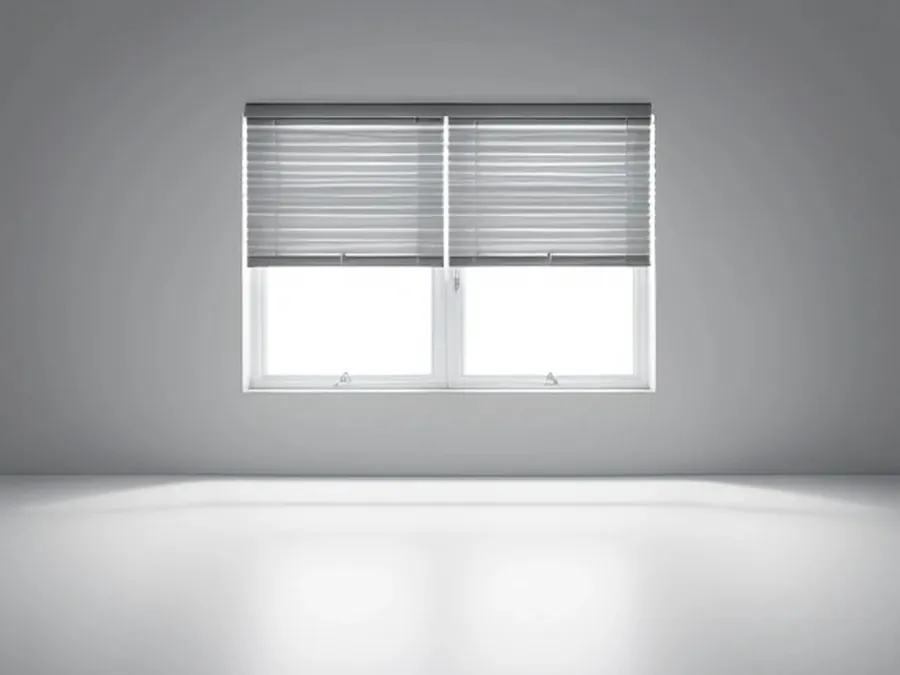
Blinds hang from two or three small brackets, and almost every problem with a new blind comes back to them. Brackets that are not level make the blind bind. Brackets screwed into drywall pull out the first time the cord is yanked. How to install blinds brackets starts with inside or outside mount, since one fits in the frame and the other covers it.
1. Decide inside or outside mount
1. Inside mount fits in the frame.
2. Outside mount covers the frame and the edges.
3. Our guide on [installing a curtain rod]/guides/how-to-hang-a-curtain-rod/ covers the drapery version.
2. Read the blind's instructions
1. Bracket spacing is set by the manufacturer.
2. Too far apart and the headrail sags.
3. Find solid wood
1. The window frame or the header is solid.
2. Drywall beside it is not.
4. Mark the bracket positions
1. Measure in from each end of the headrail.
2. Mark the same distance on the window.
5. Check level across the marks
1. A level across both marks is the whole job.
2. A quarter inch off and the blind walks to one side.
3. Our guide on [installing a shelf in a bathroom]/guides/how-to-hang-a-shelf/ covers a wall mounted fitting.
6. Pilot the holes
1. A pilot stops the frame splitting.
2. Tape the bit for depth.
7. Screw the brackets on
1. Snug, not crushing.
2. A split frame will not hold the blind.
8. Use anchors only when you must
1. An outside mount on drywall needs real anchors.
2. Toggle type, not the plastic plugs in the kit.
9. Clip the headrail in
1. Most blinds snap into the brackets.
2. Listen for the click on both ends.
10. Test the operation
1. Raise and lower fully.
2. A blind that binds means the brackets are not level.
11. Fit the valance or the cover
1. It hides the brackets and the headrail.
2. Most clip on.
12. Deal with a cord
1. A cord needs a cleat or a tensioner.
2. Loose cords are a hazard for children.
13. Check the window still works and the blind clears the sill
1. The sash has to open without hitting the blind.
2. Trim or move the bracket if it fouls.
Common mistakes
- Brackets screwed into drywall only.
- Eyeballing level instead of checking.
- Spacing brackets wider than the instructions.
- Over-tightening into a thin frame.
- Leaving a long cord hanging loose.
FAQ
Do blinds come with brackets?
Yes, matched to the headrail. Use those, not substitutes.
Can I mount brackets on drywall?
Only for a light blind, and with proper toggle anchors.
Why does my blind rub on one side?
The brackets are not level, or the spacing is wrong.
How many brackets does a wide blind need?
Usually three. Follow the instructions for the width.
Related guides
- How to Install Window Blinds: How to install window blinds level and centered: measure inside or outside mount, find the framing, and set...
- How to Clean Window Blinds the Fast Way: Learn how to clean window blinds: dust slats with the right tool, wash vinyl and aluminum blinds, care for...
- How to Fix a Torn Window Screen or Replace the Mesh: Learn how to fix a torn window screen: patch a small hole, replace the spline and mesh on a frame, and...
- How to Install a Pocket Door: How to install a pocket door: plan the pocket wall, frame it square and plumb, hang the slab so it clears the...
- How to Install a Storm Window Over an Existing Window: How to install a storm window: measure the opening, fit the frame and panels, seal the edges without trapping...
 Doors and WindowsHow to Install Window BlindsHow to install window blinds level and centered: measure inside or outside mount, find the framing, and set the brackets square.
 Doors and WindowsHow to Clean Window Blinds the Fast WayLearn how to clean window blinds: dust slats with the right tool, wash vinyl and aluminum blinds, care for wood and fabric, and keep them dust free.
 Doors and WindowsHow to Fix a Torn Window Screen or Replace the MeshLearn how to fix a torn window screen: patch a small hole, replace the spline and mesh on a frame, and re-screen a window without bending the frame.
 Doors and WindowsHow to Install a Pocket DoorHow to install a pocket door: plan the pocket wall, frame it square and plumb, hang the slab so it clears the floor, and finish the opening clean.
 Doors and WindowsHow to Install a Storm Window Over an Existing WindowHow to install a storm window: measure the opening, fit the frame and panels, seal the edges without trapping moisture, and keep the weep holes open.