
How to Install Window Blinds
Part of: Floors, walls and doors · Also in: The Complete Guide to Doors and Windows: Repairs at Home
- Difficulty
- Easy
- Time
- 30 to 60 minutes per window
- Tools
- tape measure, pencil, drill, driver, level, stud finder, brackets, screws, anchors, step ladder
- Call a pro if
- The window has no framing where the brackets need to go, or the blinds are heavy and the window is large, since those need proper blocking.
In this guide
- Ladder safety
- Wear protection
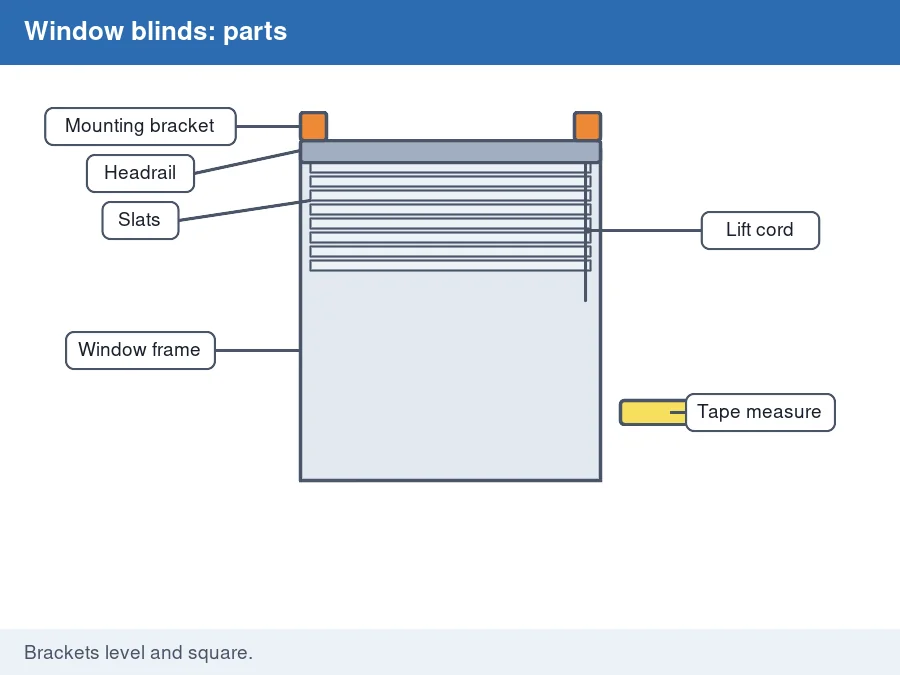
Knowing how to install window blinds is a quick job that changes how a room feels. The measurement and the bracket placement decide the result: blinds that are level and centered look built in, and blinds that are an inch off look wrong from across the room.
The most common mistake is measuring the window once. Measure the width at the top, middle, and bottom, and the height at both sides, because recesses are rarely square.
1. Decide inside or outside mount
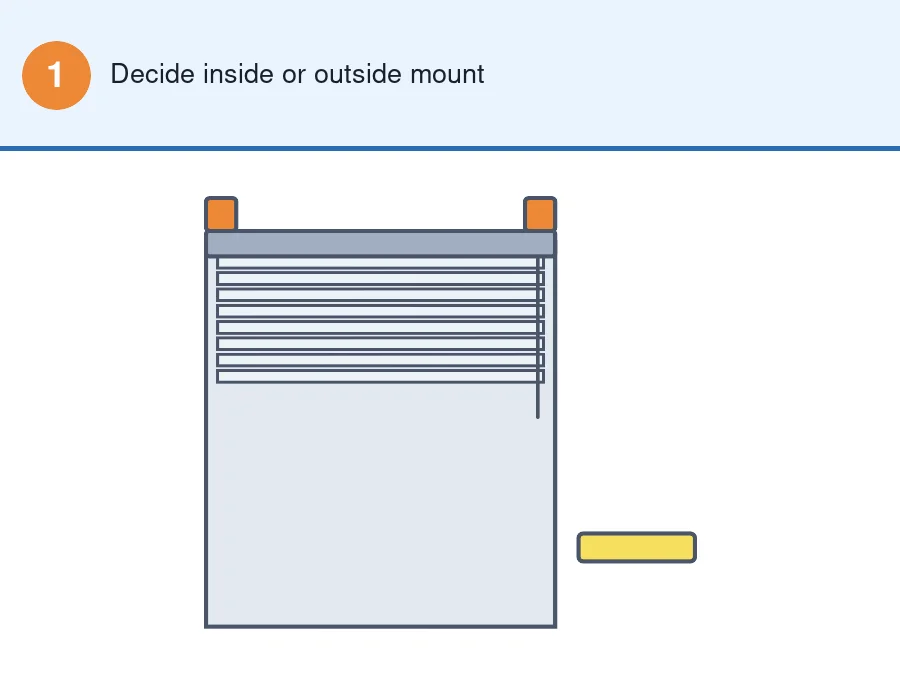
Inside mount fits within the window recess and shows the window trim. It needs about two inches of recess depth for most headrails. Outside mount attaches to the wall or casing and covers the opening, which suits shallow recesses and rooms where you want more darkness.
2. Measure the width in three places
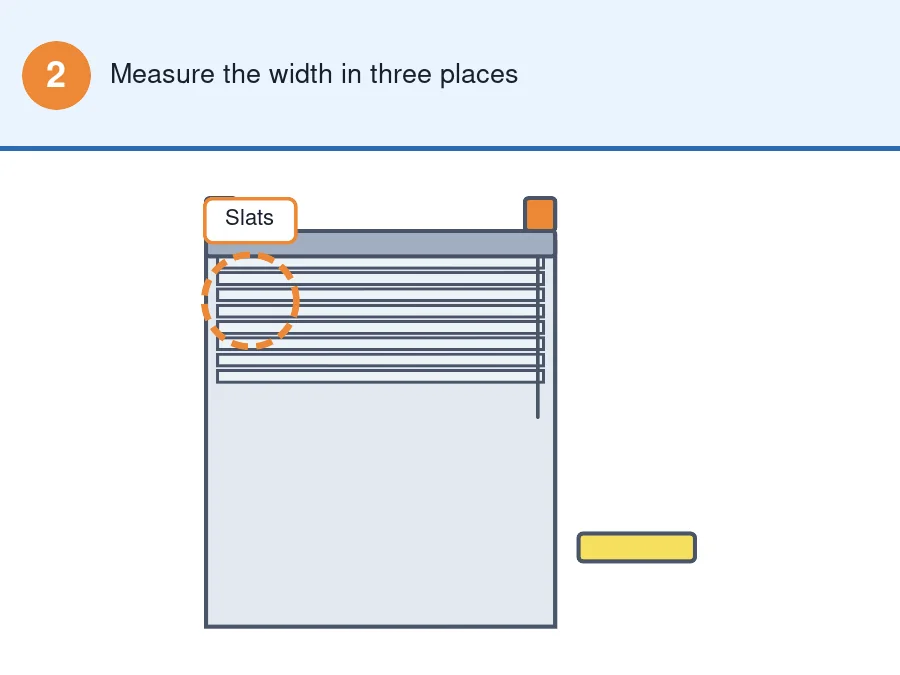
For an inside mount, measure the width at the top, middle, and bottom of the recess, and use the smallest number. For an outside mount, measure the width you want to cover, usually the opening plus two to four inches on each side.
3. Measure the height
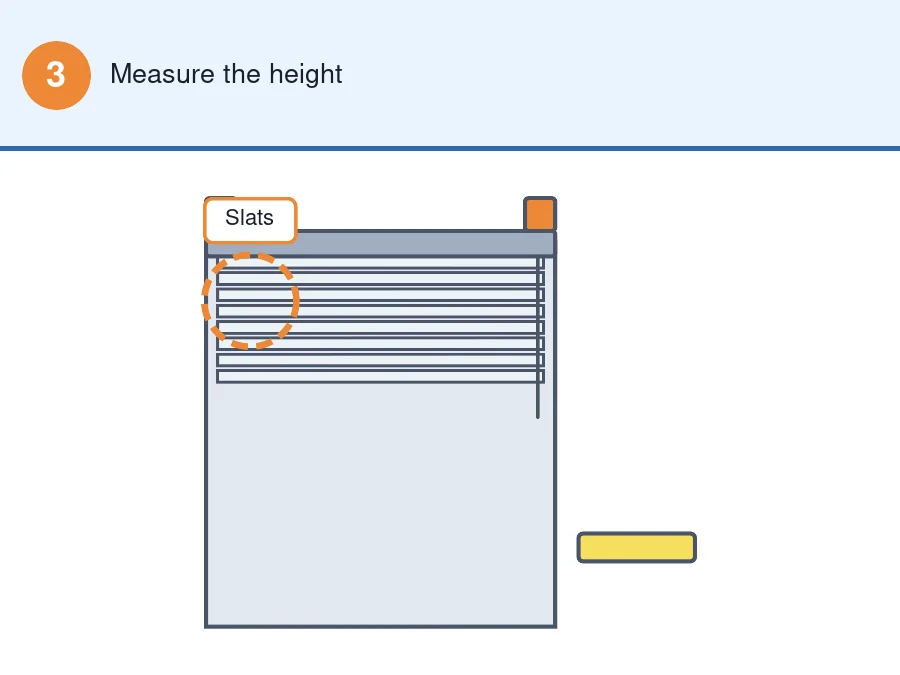
For an inside mount, measure the height at both sides and the middle, and use the longest for a full drop. For an outside mount, measure from where the headrail will sit down to where you want the blinds to end, adding a few inches of overlap at the top.
4. Check the recess for obstructions
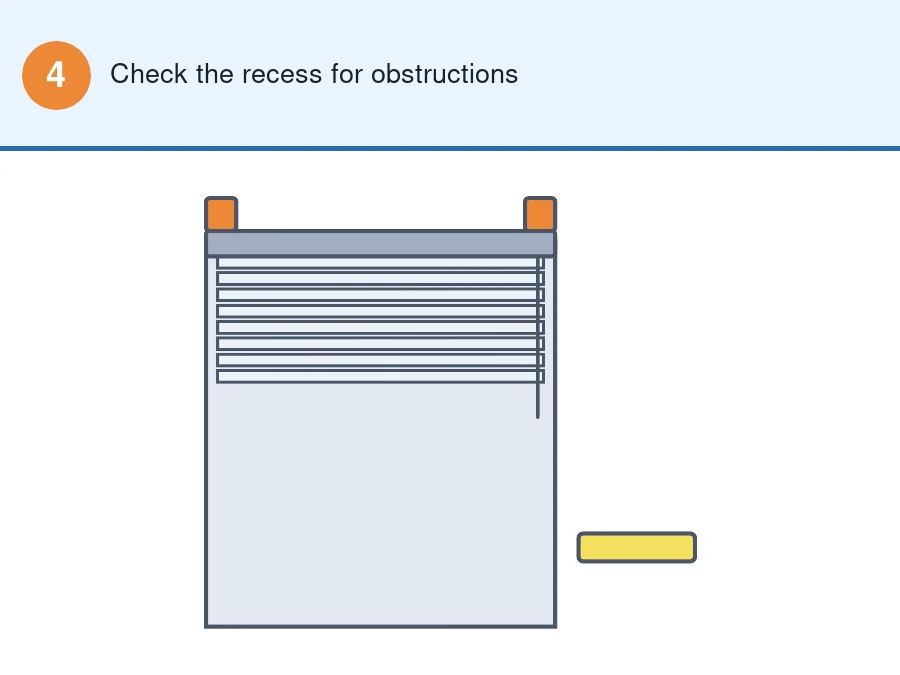
Look for window handles, crank mechanisms, and locks that the blinds would hit. Check the depth at the top, since some windows have a shallow head. If the headrail will not fit, switch to an outside mount.
5. Mark the bracket positions
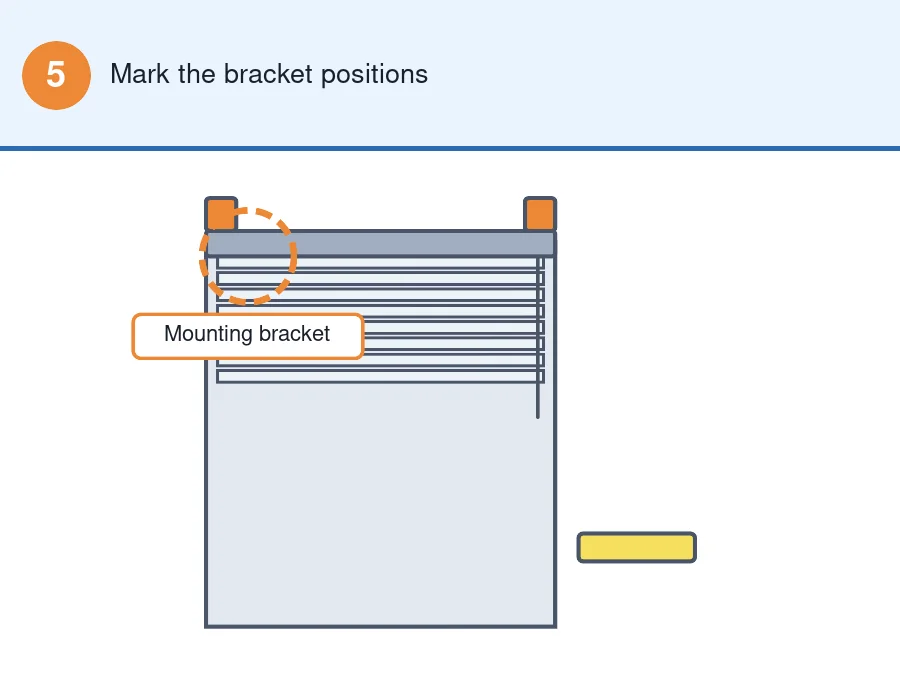
Hold the headrail against the window and mark the bracket locations from the manufacturer's spacing. Center the headrail so the overlaps are even on both sides. Use a level to transfer the marks across, so both brackets sit at the same height.
6. Drill and fit the brackets
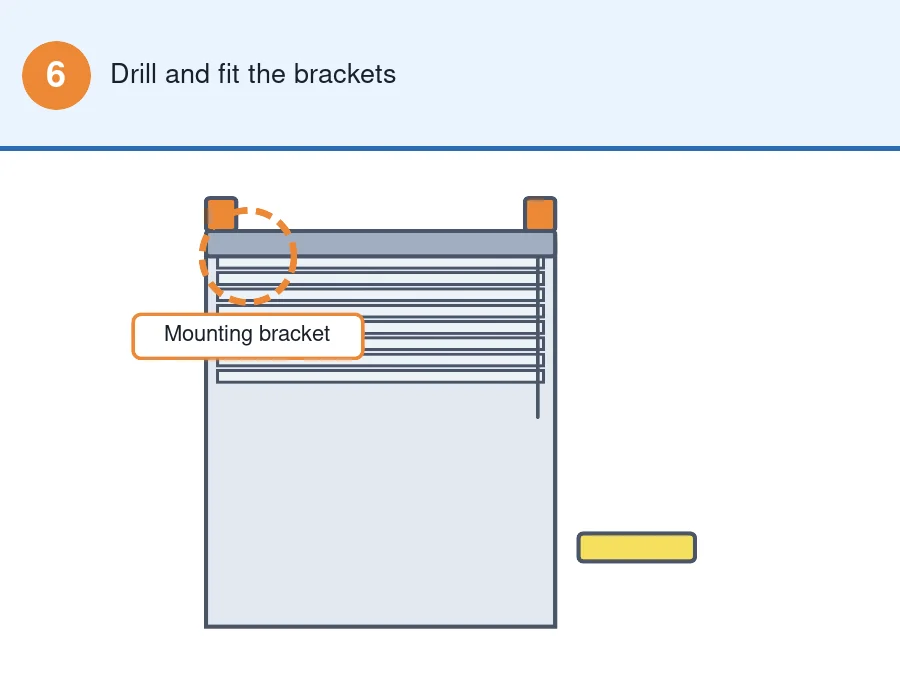
Drill pilot holes at the marks. Into wood framing, screw the brackets directly. Into drywall, use anchors rated for the weight, and into a window frame use the screws supplied. Screw the brackets in and check them with a level before hanging anything.
7. Install the brackets square
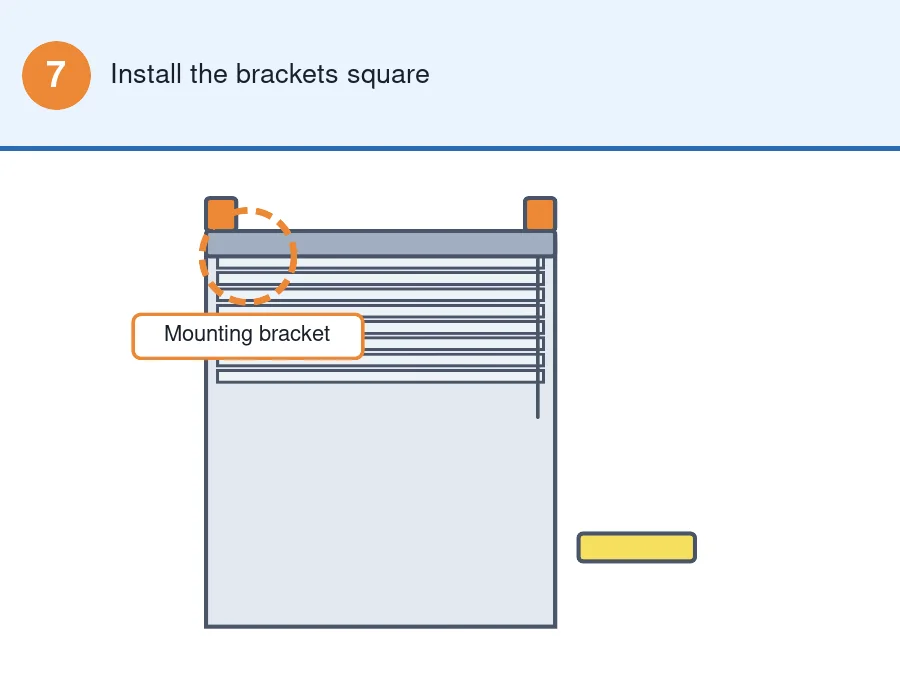
The brackets have to be level to each other, not just level individually. Set a level across the two bracket faces. A bracket that is half an inch high makes the blinds hang crooked and puts strain on the cord mechanism.
8. Hang the blinds
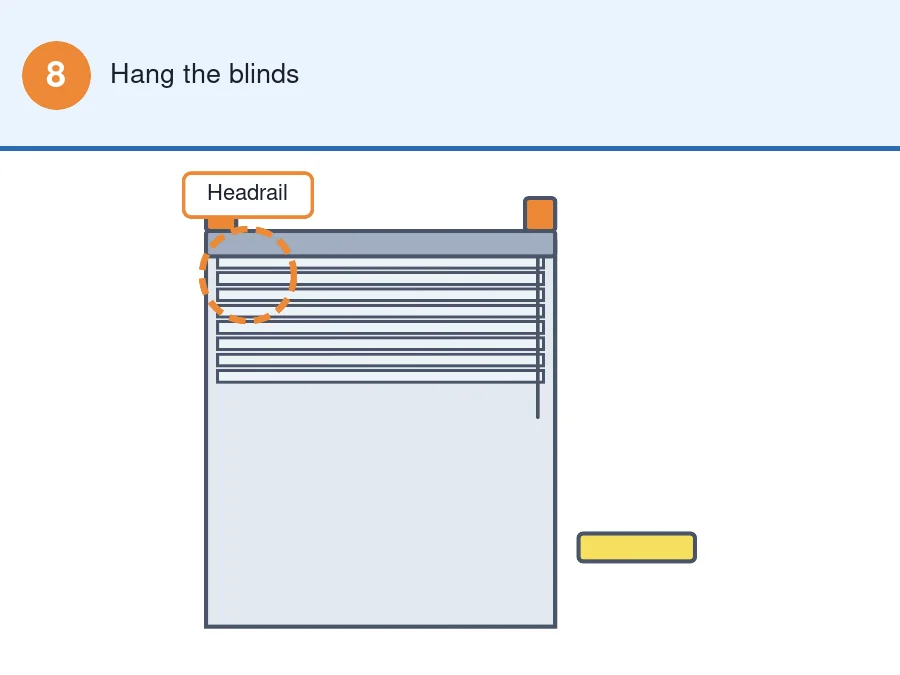
Snap or slide the headrail into the brackets according to the instructions, and check that it is fully seated. Test the tilt and the lift before you finish. If the blinds bind, the brackets are not aligned, or the headrail is not seated.
9. Fit the valance or the cover
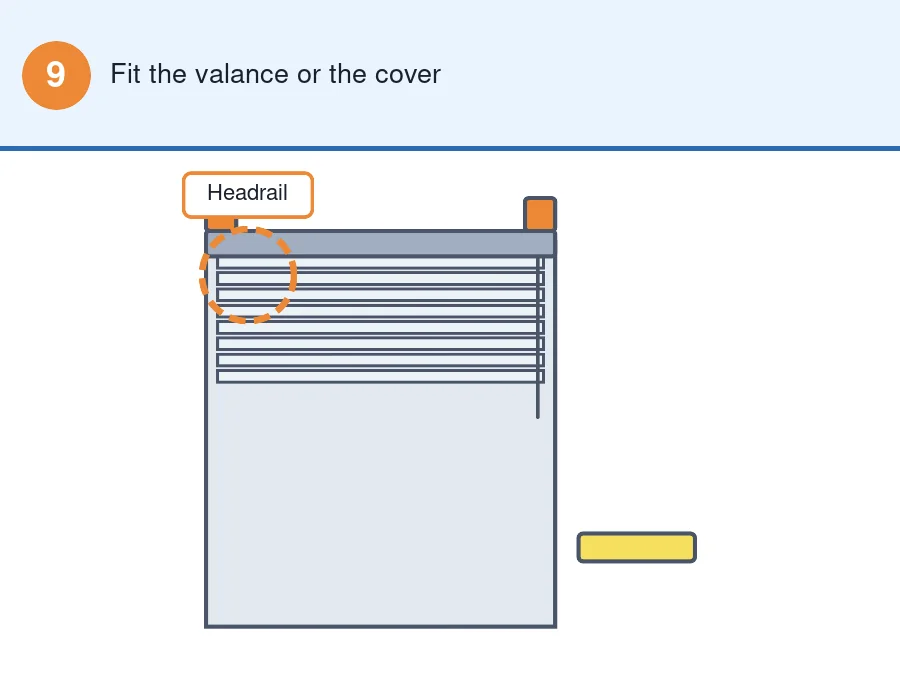
Many blinds come with a valance that covers the headrail. Clip it on after the blinds are working, since it hides the brackets and the screws. Check that it is level too, since a crooked valance is the most visible part.
10. Test and adjust
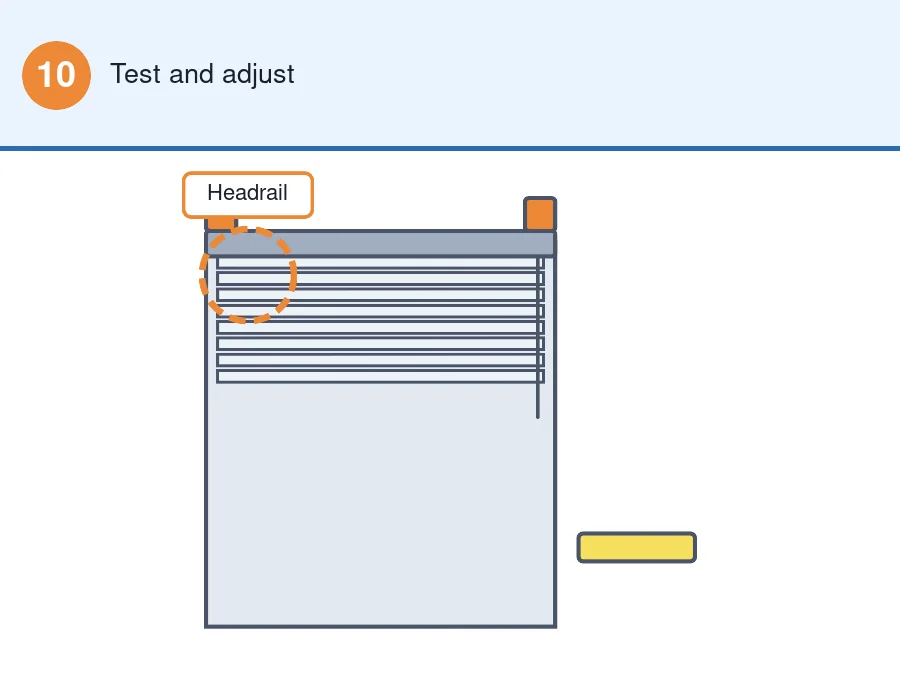
Raise and lower the blinds fully, tilt them both ways, and check the cords or the wand. Adjust the cord tension or the tilt if needed. Keep cords tied up and out of reach of children, and consider cordless blinds for any room a child uses.
Common mistakes
- Measuring the window once instead of at three points.
- Brackets set at different heights, so the blinds hang crooked.
- Using drywall anchors where framing is available.
- Choosing an inside mount without enough recess depth.
- Hanging the headrail before checking the brackets are level.
- Leaving long cords hanging where children can reach them.
FAQ
Should window blinds be mounted inside or outside the frame?
Inside for a clean look when the recess is deep enough, outside to cover an uneven recess or to get more privacy and darkness.
How much overlap should an outside mount have?
Two to four inches on each side and a few inches at the top, so the blinds cover the opening and the light gaps.
How do I install blinds without studs?
Use anchors rated for the weight, or add blocking behind the drywall. Heavy blinds need real framing.
Why do my blinds hang crooked?
The brackets are not level to each other, or the headrail is not fully seated in the brackets.
Can I install blinds on a metal window frame?
Yes, with self drilling screws made for metal, or with a mounting bracket designed for that frame.
Related guides
- How to Install a Sliding Window Roller: How to install a sliding window roller: get the sash out, match the old roller, seat the new one, and adjust...
- How to Install Blinds Brackets: Learn how to install blinds brackets level and into solid wood, so the blind hangs square, rolls evenly and...
- Window Condensation: Why Your Windows Sweat and What to Do: Window condensation shows up when warm, humid indoor air meets cold glass. Learn what it means, how to lower...
- How to Install a Barn Door: How to install a barn door: mount the track into studs, get the door square and level, set the rollers, and...
- How to Install a Mail Slot: How to install a mail slot in a front door or wall: cut the opening clean, fit the sleeve, seal it, and keep...
 Doors and WindowsHow to Install a Sliding Window RollerHow to install a sliding window roller: get the sash out, match the old roller, seat the new one, and adjust it so the window slides and locks.
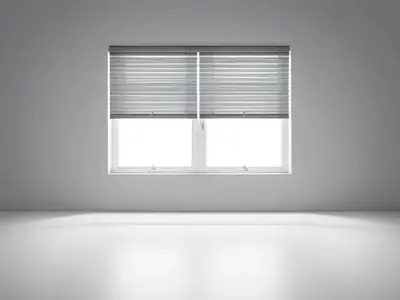 Doors and WindowsHow to Install Blinds BracketsLearn how to install blinds brackets level and into solid wood, so the blind hangs square, rolls evenly and does not pull out of the wall.
 Doors and WindowsWindow Condensation: Why Your Windows Sweat and What to DoWindow condensation shows up when warm, humid indoor air meets cold glass. Learn what it means, how to lower humidity and when it points to a failed seal.
 Doors and WindowsHow to Install a Barn DoorHow to install a barn door: mount the track into studs, get the door square and level, set the rollers, and fit a floor guide that works.
 Doors and WindowsHow to Install a Mail SlotHow to install a mail slot in a front door or wall: cut the opening clean, fit the sleeve, seal it, and keep the flap swinging freely.